


Chapter Meeting: Southeast Texas Wetlands: Plants, Insects and Birds OR Why We Can’t Do Without Mosquitoes
A relationship of plant communities and wildlife explained and why we shouldn’t hate mosquitoes.
Screening of “Deep in the Heart,” Saturday, March 4
by Sara Torres, Lindheimer Chapter President-Elect About the Screening The Guadalupe and Lindheimer Chapters of the Native Plant Society of Texas are proud to present a special showing of the documentary Deep in the Heart: A Texas Wildlife Story at the historic Brauntex Theater (290 W. San Antonio St. New
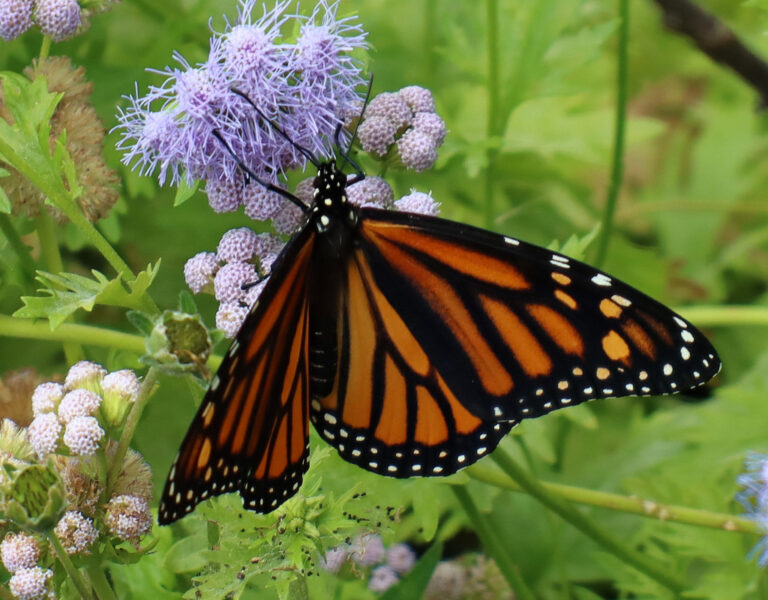
Monarchs & Milkweeds
Much of our chapter’s activities involve increasing and nurturing existing native pollinator plants in our local ecosystem
Native Prairies Association of Texas (NPAT) Looking for Administrative Assistant
Native Prairies Association of Texas (NPAT) is looking for an Administrative Assistant. Be a part of Texas prairie conservation!
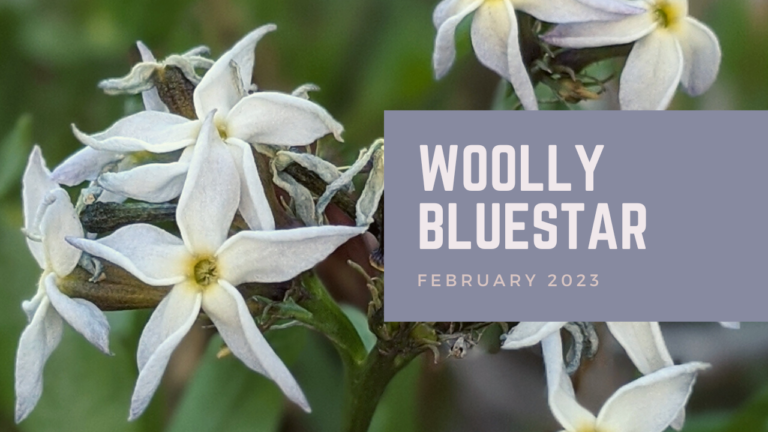
Plant of the Month: Woolly Bluestar
Our Plant of the Month for February 2023 is Amsonia tomentosa, commonly known as Woolly Bluestar, Woolly Amsonia, Small Leaved Amsonia, or Gray Amsonia.
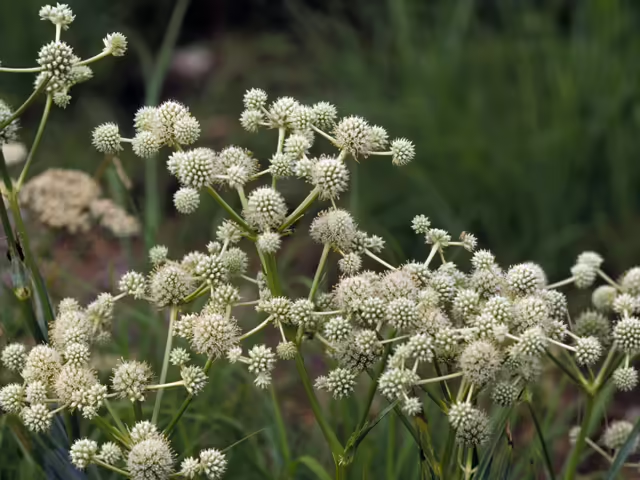
Rattlesnake Master: A Pollinator’s Dream
If you are one of the many native plant enthusiasts keen to provide substantial sustenance for butterflies, bees, and other insects, the Rattlesnake Master (Eryngium yuccifolium) is a must for your landscape. This native tallgrass prairie perennial is an excellent addition to your native prairie landscape, whether pocket- or jumbo-sized.

Admin Position Available at NPAT
Native Prairies Association of Texas (NPAT) is looking for an Administrative Assistant. Be a part of Texas prairie conservation! This is a part-time (20 hours/week), hourly position and reports to the Executive Director. You will work primarily at NPAT’s main office in Manchaca (South Austin). This position will provide vital
February 2023 Newsletter
**ARCHIVED POST ** The February 2023 Newsletter is available to read here. **ARCHIVED POST** **ARCHIVED POST LINKS & PICTURES MAY NOT WORK** **ARCHIVED POST AUTHOR: beckyleal
February Chapter Meeting – February 14, 2023 – “Understanding Soil Ecology – The Benefits to Native Plants”
**ARCHIVED POST ** Join us at 2:00 pm on Tuesday February 14th at Riverside Nature Center for a presentation on “Understanding Soil Ecology – The Benefits to Native Plants”. There will be a short business meeting at 1:30 pm followed by the presentation at 2:00 pm. The public is always
Out of the Dead of Winter – Hope and Promise
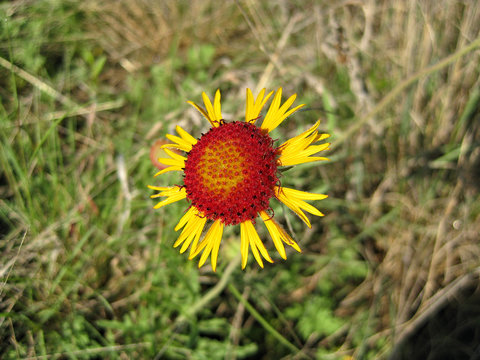
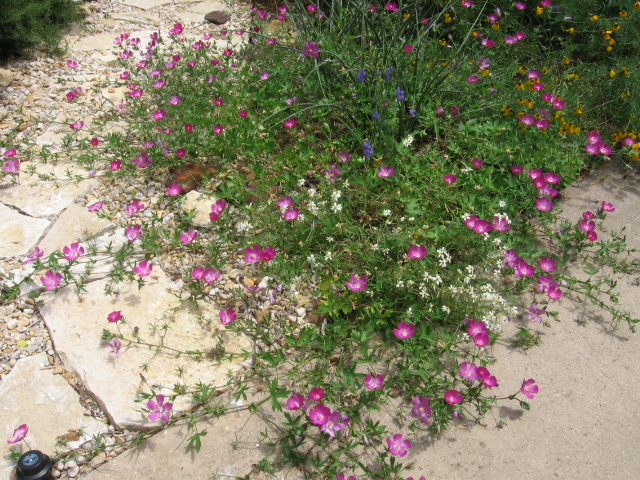
Signs of Life I was going to write about the cold starkness of the winter landscape; scratching out an existence from a growing season that has passed. The signs of life that winter’s grip as loosen and let go. Golden Groundsel (Packera aucea), Winecup (Callirhoe involucrate), Yellow Columbine (Aquilegia chrysantha),
