


The Privet’s Worst Nightmare – Carolina Cherry Laurel
A Beautiful Evergreen Tree Native to North Texas While NPSOT and others have written before about the highly invasive non-native Ligustrum, the damage this single plant is doing to North Texas wooded areas and wildlife cannot be overstated or repeated enough. Ligustrum covers a variety of plant species and is
Book Club – “Nature’s Best Hope” by Doug Tallamy
**ARCHIVED POST ** May 18 – Book Club: We are going to discuss Nature’s Best Hope by Doug Tallamy but you are welcome to come even if you have not read the book. Check out Tallamy giving a presentation on You Tube and come join our discussion. We are meeting
Native Landscape Certification Program – Level 1, Introduction to Native Landscapes
**ARCHIVED POST ** The Kerrville Chapter of NPSOT is excited to offer the Level 1 class of the Native Landscape Certification Program (NLCP) – Introduction to Native Landscapes. The day-long class will include two classroom sessions and an outdoor plant walk. Learn the value of including and preserving native plants
June Chapter Pot Luck Supper – Tuesday, June 7, 6:30pm – Cibolo Nature Center Auditorium
**ARCHIVED POST ** June Chapter Pot Luck Supper – Tuesday, June 7, 6:30pm – Cibolo Nature Center Auditorium Time to buy the ingredients for your favorite recipe to share at our annual summer pot luck supper. The chapter’s hospitality committee will provide non-alcoholic beverages, paper products, and decor. Members will
May 2022 Meeting: NICE! Program – Natives Improve and Conserve Environments
**ARCHIVED POST ** Please join us at 7:00 p.m., Tuesday, May 17, 2022, for our monthly chapter meeting. You don’t have to be a member to attend. The meeting site will open for chats and socializing at 6:45 p.m. The presentation will begin at 7:00, followed by the business meeting.
Native Landscapes for Birds Class
**ARCHIVED POST ** Please join us on Saturday, June 4, 2022, for a hybrid class to learn about birds and native plants that support them.
Donations Can Impact the Kate Hillhouse Undergraduate Scholarship Fund
**ARCHIVED POST ** Please keep the Kate Hillhouse Undergraduate Scholarship fund in mind if you or your chapter are looking for an impactful way to spend funds on our Society’s mission. This scholarship is awarded to students who will be junior or senior college undergraduates in the fall, who plan to pursue a
Recovering America’s Wildlife Act: Race to the Finish Line!
The Recovering America’s Wildlife Act would be the most significant wildlife funding legislation passed in over a generation
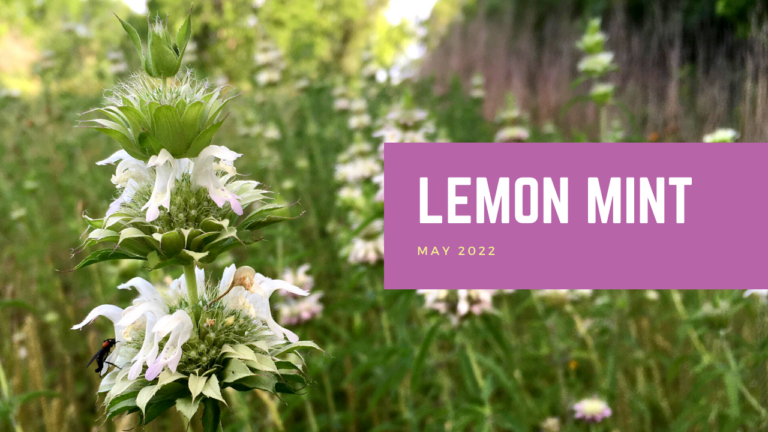
Plant of the Month: Lemon Mint
May 2022 Plant of the Month
Botanical name: Monarda citriodora
Common name(s): Lemon Mint, Beebalm, Lemon Beebalm, Horsemint, Horse Beebalm, Lemon Horsemint, Mint
Native Plants and the Little Things That Run the World
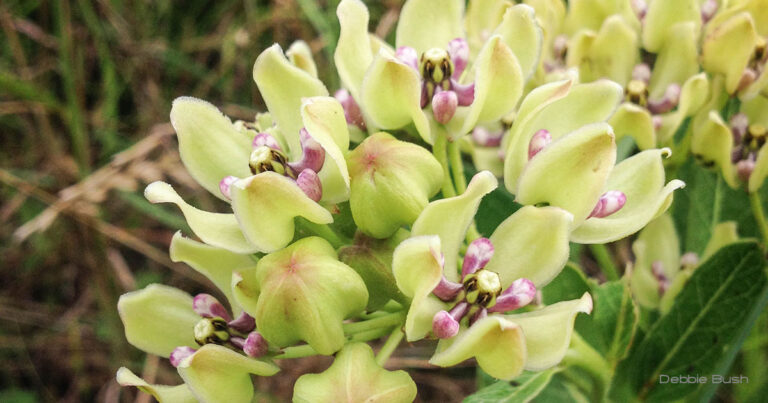
“If something is not eating your plants, then your garden is not part of the ecosystem.” Unknown Why do we want our native plants eaten? We worked hard for these plants and probably paid good money for some of them. It is not so much we want our plants eaten,
Chapter Meeting: Artist Boat from STEAM Education to the Wilds of Land Acquisition
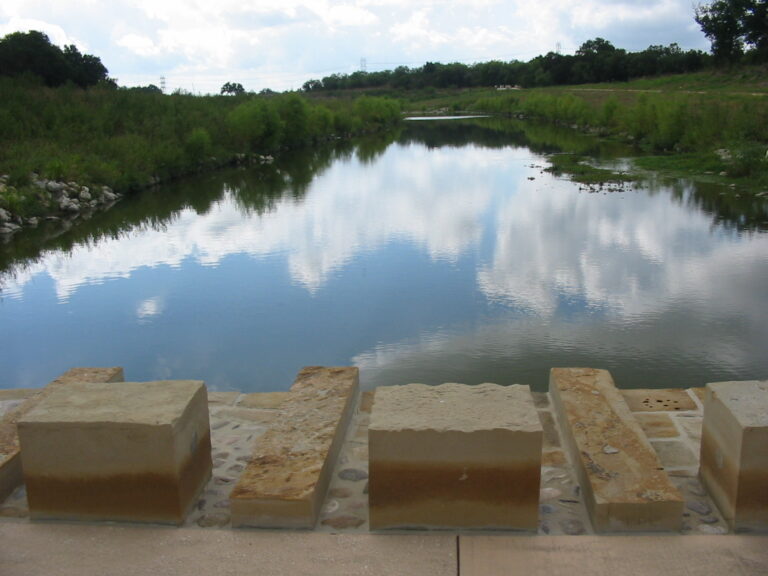
**ARCHIVED POST ** Karla Klay shares how Artist Boat uses a STEAM (science, technology, engineering, art, and math) education model and how it is used to help students learn about wetlands, climate science, and coastal prairies; how to translate knowledge through conceptual art; and ways to take action to improve
