

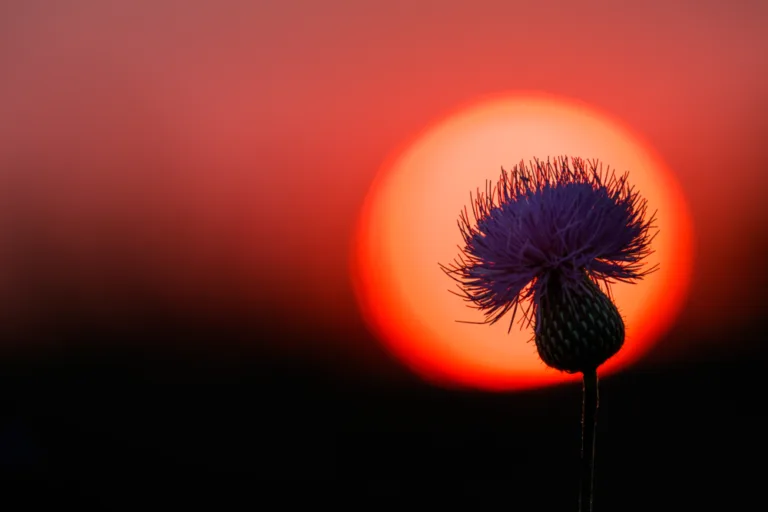
Summer 2022 Member Magazine
“Texas Native Plant Week activities! This year, Native Plant Week will be October 16 to October 22 and will have an associated BioBlitz iNaturalist Challenge. Events could be plant walks, volunteer events, presentations, donation challenges. Please send your ideas … ” Linda Knowles, President

“Long Lost” Dragon Reappears on Heard Sanctuary!
Photo Courtesy of Lady Bird Johnson Wildflower Center and April Moore Once again, we are taking a trip back in time to The Coneflower Courier, our chapter’s paper newsletter from 1994 – 2001. The below article from the October 1995 edition is on a plant with a unique name befitting
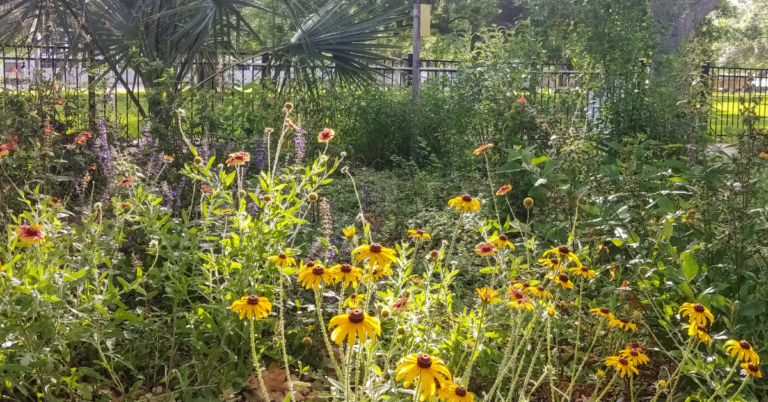
Chapter Meeting: Pollinator Road Trip 2: A Habitat Grant Update
Clear Lake Chapter — Take a virtual road trip to visit pollinator habitats funded by the chapter’s Native Pollinator Habitat Grant Program.
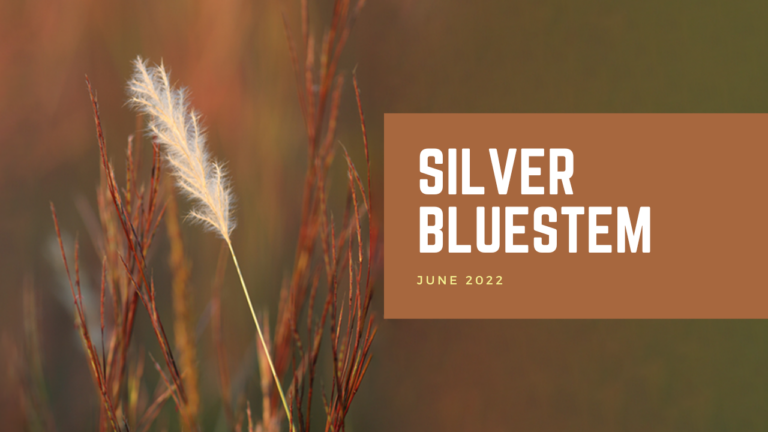
Plant of the Month: Silver Bluestem
June 2022 Plant of the Month
Botanical name: Bothriochloa laguroides
Common names: Silver Bluestem, Silver Beardgrass
Officers Needed
**ARCHIVED POST ** Officers Needed – We are looking for two volunteers to fill officer positions on our board for the Fall 2022-Spring 2023 term. Being an officer is a great way to get to know more people, as well as extend your knowledge of native plants. Lorraine Popp, our Vice-President, and Crystal McElhenney, our secretary, are stepping
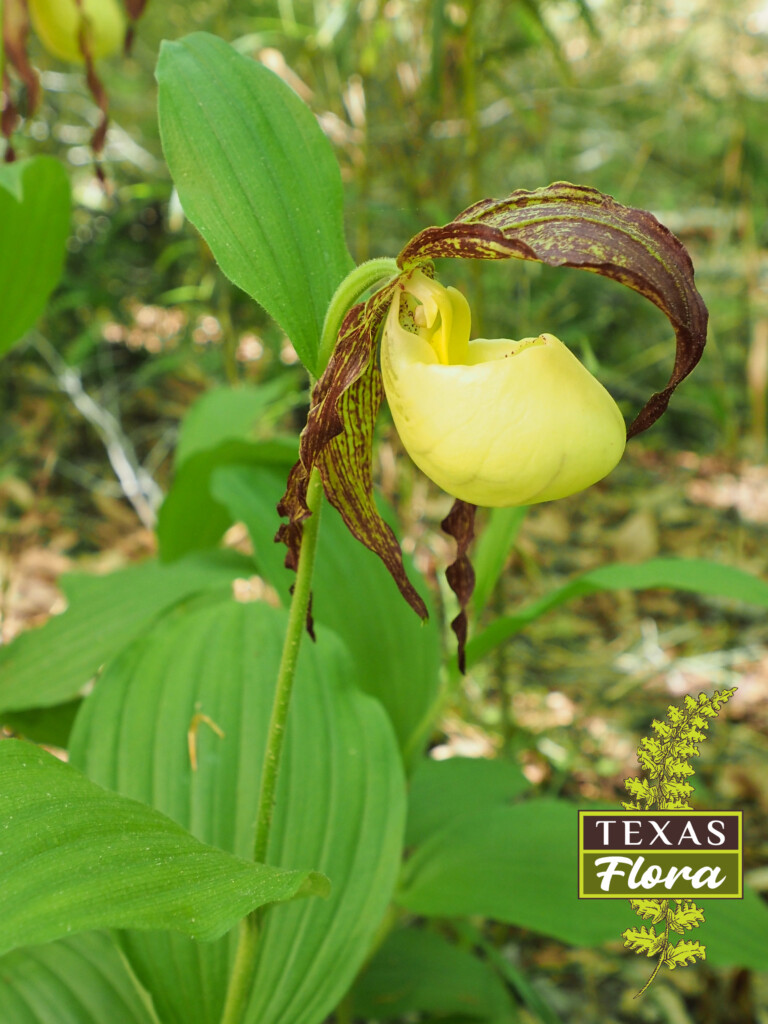
Rare Plants of Texas
June 2022 Presentation by Michael Eason, State Botanist for the Native Plant Society of Texas Join Michael as he gives an overview of the rare plants of Texas and the conservation efforts to save some of our most imperiled species. Texas has approximately 450 rare plants as listed by Texas
Pop-Up Native Plant Sale/Swap
**ARCHIVED POST ** WHAT: Pop-Up Native Plant/Seed Sale/Swap WHEN: Saturday, June 11, 9am – 12pm
Volunteer Highlights: Spring Sales and Workdays were a Hit
**ARCHIVED POST ** Our volunteers have been hard at work this spring. Here are just a few highlights! Lindheimer Chapter members were very busy: they planted native plants at the Heritage Museum of Texas Hill Country, and they held a wonderful plant sale, too. Tonkawa Chapter volunteers hosted an extremely
Educational, Summer Activities for the Whole Family
**ARCHIVED POST ** List collected by Renata Lucia, Administrative Assistant, and Stephanie Long, VP Communication Summer is (basically) here!!! It sure feels like it anyway. That means graduations, road trips, and outdoor fun. For me, I try to pry myself away from screens as much as possible to enjoy the
Saturday May 21, 2022 Special Event/Meeting
**ARCHIVED POST ** Our temperature Saturday will be the best in a long time, so it’s the perfect chance to walk around Chuck Snakard and Dorothy Pringle’s ranch for 1-2 hours. MAY 2022 EVENT/MEETING SATURDAY, MAY 21, 9 A.M. SNAKARD RANCH 5176 CR 2013 Our May meeting is a fun
NICE Native Plant Partner Event, Barton Springs Nursery
**ARCHIVED POST ** WHAT: NICE PARTNER EVENT (Native plants for your garden) WHEN: Sunday, June 5, 10am – 5pm
