

COVID-19 Policies
**ARCHIVED POST ** COVID-19 Policies as of May 1, 2021 as approved by the State Board 1. Chapters must follow current CDC guidelines or set their own stricter policies for meetings, demo garden work, plant sales, field trips or any NPSOT activity. 2. Chapters are responsible for knowing and following
Book Club – “Teaming With Microbes” by Jeff Lowenfels & Wayne Lewis
**ARCHIVED POST ** Join our discussion of Teaming With Microbes by Jeff Lowenfels on Wednesday September 21 at Riverside Nature Center from 11:30 t0 1:30. Feel free to bring a lunch or snack. Summary from Amazon: “When we use chemical fertilizers, we injure the microbial life that sustains plants, and then
Fall 2022 Plant Sales
**ARCHIVED POST ** Chapter fall plant sales are here. Below is a list of several dates–I’m sure the list will grow! Look for a location near you: September 17: 9:30 a.m. – 3:00 p.m. at Barrow Brewing (108 Royal St., Salado). Hosted by Tonkawa Chapter (North Central Texas). Read more details.
Meeting Monday August 22, Citizen Center in Glen Rose
**ARCHIVED POST ** TEXAS HORNED LIZARD REINTRODUCTION BY NATHAN RAINS AUGUST 22, 6 p.m. Glen Rose Citizen’s Center 209 SW Barnard St., Glen Rose Remember playing with Texas Horned Lizards growing up? Perhaps you remember them as “Horny Toads” which is what we all called them. Unfortunately, they are now
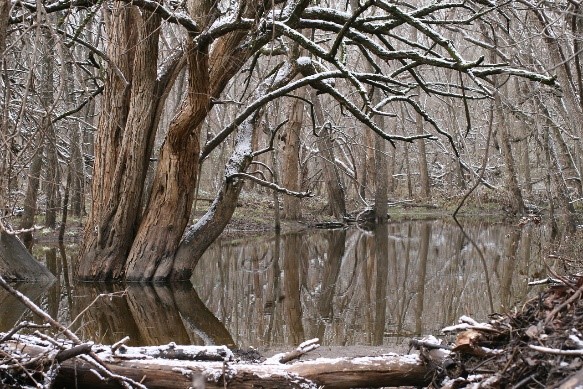
16 Reasons Why Bois d’Arc is North Texas’ Most Interesting Native Species
Maclura pomifera, the North Texas native tree with seemingly as many common names as fruit, including Bois d’Arc, Osage Orange, Hedge Apple, Horse Apple, and Yellowwood, brings out a gamut of emotions and opinions. It is maligned as a nuisance while having books and festivals in its honor; it is
Monarch Garden in Dallas, Texas–a success story!
**ARCHIVED POST ** by Carol Clark and Stephanie Long D Magazine recently featured a story about Tenison Park, a 1.9 acre pollinator garden located at the north end of Samuell-Grand Park in Dallas, Texas. As it so happens, Tenison Park is a two-time recipient of the Bring Back the Monarchs
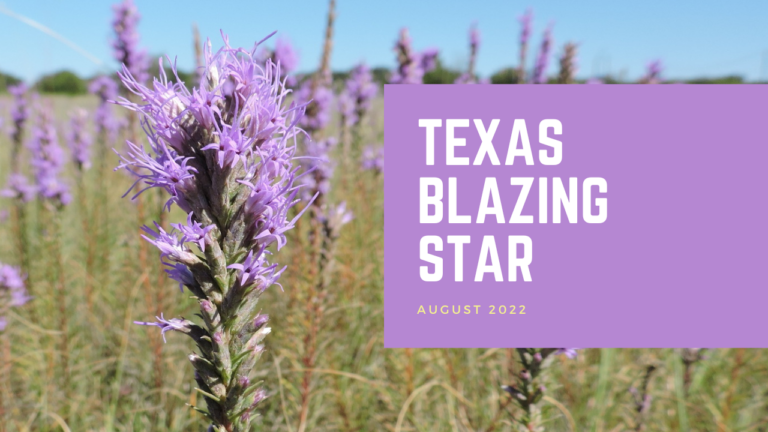
Plant of the Month: Texas Blazing Star
August 2022 Plant of the Month
Botanical name: Liatris punctata var. mucronata
Common name(s): Texas Blazing Star, Texas Gayfeather, Texas Liatris, Cusp Liatris, Cusp Blazing Star, Cusp Gayfeather, Narrow-leaf Liatris, Narrow-leaf Blazing Star, Narrow-leaf Gayfeather
Chapter Meeting: Fish Farm to Native Plants: Bayside Regional Park
**ARCHIVED POST ** Bayside Regional Park is a park located in an underserved community in Bacliff, Texas. When Texas Master Naturalist members Stennie Meadours and Sandy Parker learned about the new 64-acre park, they began the process to work with the Galveston County Parks Department for approval to install native
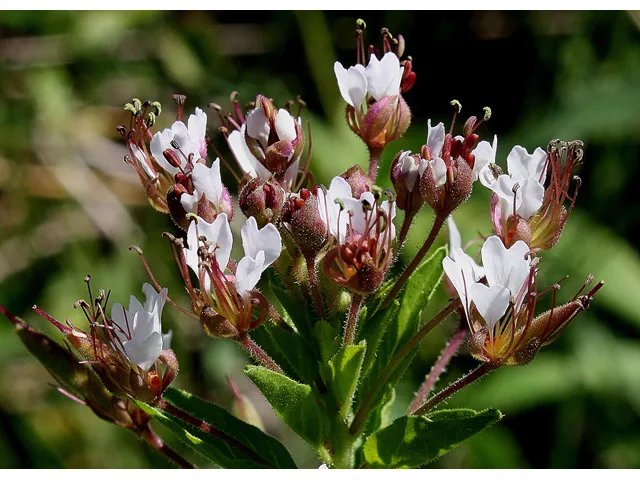
Laughing at the Dog Days of Summer
Native Plants – The Drought Survivors “Priam saw him first, with his old man eyes. A single point of light on Troy’s dusty plain. Sirius rises late in the dark, liquid sky. On summer nights, star of stars, Orion’s Dog, they call it brightness Of all, but an evil portent,
Program: Field Trip – Independence Creek Preserve
**ARCHIVED POST ** [from Michael Eason] Program: Field Trip – Independence Creek Preserve (Texas Nature Conservancy Property) Date: Sunday August 14th, 2022 Time: Depart from ALP at 8am-ish to 5pm-ish from the UC (University Center) Parking lot on Sul Ross Campus (corner of E Ave B and Harrison ST) Howdy

Haven for Pollinators at Haven For Hope!
September 2022 Presentation by Jenny Baine Jenny will share her experience installing a pollinator rain garden for a non-profit organization. We will discuss: Customer centric design, Volunteers – key to making hard work possible and spreading the native, pollinator and low impact development knowledge, Low Impact Development (LID) design –
