

Book Signings & Presentations with Sara Dykman – Oct 2022
**ARCHIVED POST ** In 2017 Sara rode her bicycle 10,201 miles following the monarch migration. Her goal was to be a voice for the monarch, by giving presentations, interviews and connecting with people along the route (www.beyondabook.org). In 2021 her book, Bicycling with Butterflies, was published, reaching even more people.
September 2022 Chapter Newsletter
**ARCHIVED POST ** This month’s chapter newsletter is available to read here. Previous newsletters are available under Members Area | Newsletters. **ARCHIVED POST** **ARCHIVED POST LINKS & PICTURES MAY NOT WORK** **ARCHIVED POST AUTHOR: beckyleal
A Yard of Dreams
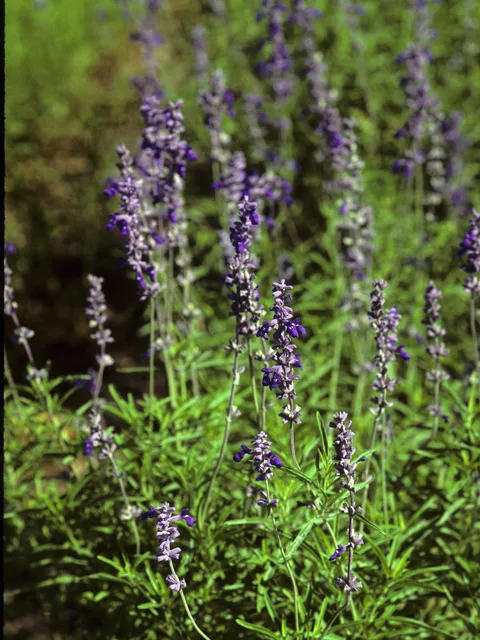
Creating a Wildlife Dream Yard “If you build it, he will come…” – 1989 Movie, “Field of Dreams” Sitting on the patio, a smile comes over my face. The rains finally came and the landscape, once stunted and semi-dormant from the dry, hot Texas summer, has come to life. The
NCLP Level 3
**ARCHIVED POST ** Saturday, Sep 17 – 8:00am-3:00pm – Cibolo Nature Center Auditorium Native Landscape Certification Program Level 3: Installation and Maintenance of Native Landscapes The Boerne Chapter will be presenting this class, which will teach you how to: Recognize differences between native and non-native landscapes Become familiar with how
Fall Symposium 2022
**ARCHIVED POST ** Our Fall Symposium Registration is Open! The Native Plant Society of Texas 2022 Fall Symposium will be September 22-25, 2022. **ARCHIVED POST** **ARCHIVED POST LINKS & PICTURES MAY NOT WORK** **ARCHIVED POST AUTHOR: clairesorenson
Chapter Meeting – September 13, 2022 – Edible and Beneficial Native Plants
**ARCHIVED POST ** Join us on Tuesday, September 13 @ Riverside Nature Center for a presentation by Kim Ort. Kim will talk about some common and not so commonly known edibles and beneficial plants and how to forage them responsibly. There will be a short business meeting at 1:30 pm
September 22 – Nature Journaling Club @ RNC 9-11 am
**ARCHIVED POST ** Nature journaling is all about documenting your observations of the natural world. No drawing skills are required although they will get better with practice. It is what you want it to be; citizen science, art, creative writing, or more. And it can be all of the above.

Annual awards for 2022 announced
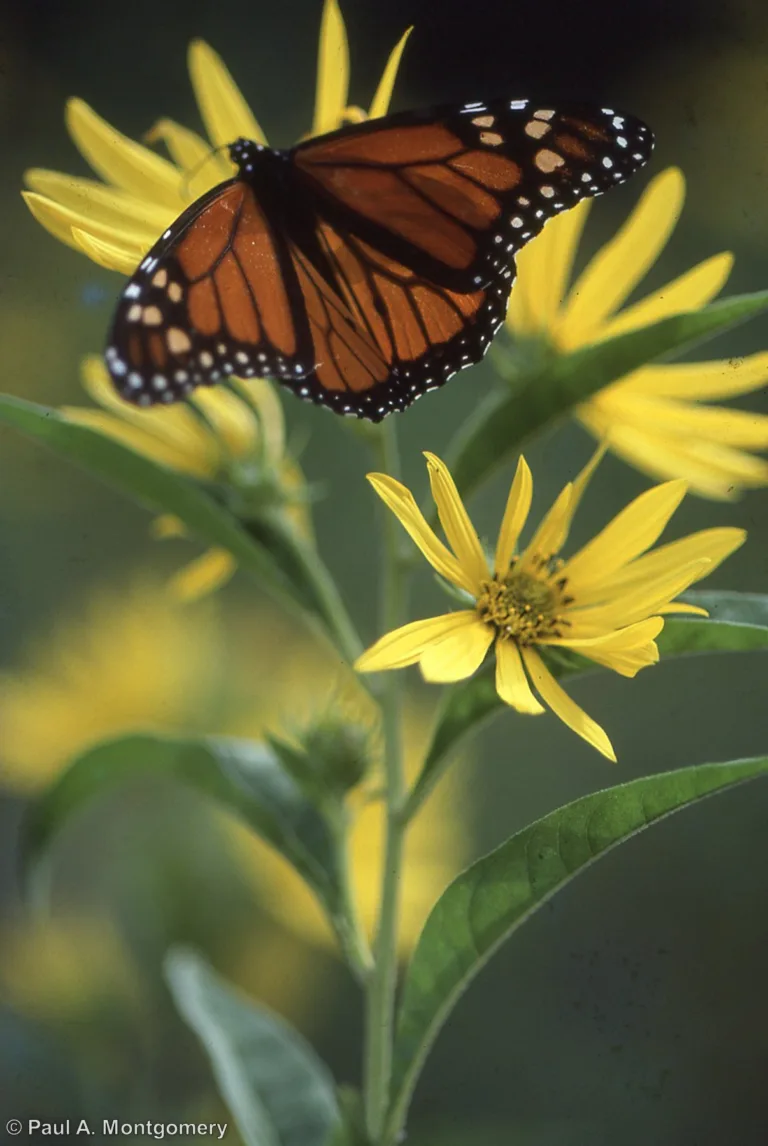
Every year the Native Plant Society of Texas recognizes organizations and individuals that advance our mission. Their work will be honored during our 2022 symposium to be held September 22-24, in Alpine, Texas. You can attend in person or virtually by registering before midnight Wednesday, September 14. We will tell
Research Grant Application Period – Sept 1 – Oct 15
**ARCHIVED POST ** The Native Plant Society of Texas offers the Ann Miller Gonzalez Graduate Research Grant to graduate students at Texas universities who are performing academic research related to Texas native plants and/or to the conservation and restoration of native plant habitats of Texas. About the Grant This research
Consider Hosting a NPSOT Fall Symposium Watch Party!
**ARCHIVED POST ** Of course we would love to see you in-person at our 2022 NPSOT Fall Symposium. But if you are not able to come, considering hosting a fall symposium watch party! Fall Symposium is just around the corner and we have a fabulous list of informative speakers lined up
Bylaws of the Native Plant Society of Texas Austin Chapter
**ARCHIVED POST ** Version 2.0, Approved 2/16/2010 ARTICLE I. NAME The name of this Chapter of the Society shall be the Native Plant Society of Texas Austin Chapter; the Chapter may also be known as NPSOT Austin or the Austin Chapter of NPSOT. ARTICLE II. PURPOSE OF SOCIETY The purpose of the Native Plant
