

Creating a Wildlife Dream Yard
“If you build it, he will come…”
– 1989 Movie, “Field of Dreams”
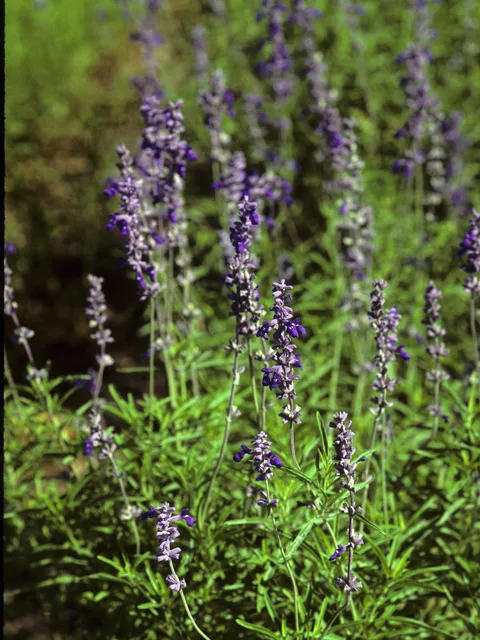
Sitting on the patio, a smile comes over my face. The rains finally came and the landscape, once stunted and semi-dormant from the dry, hot Texas summer, has come to life. The Salvia greggii, Mealy Blue Sage (Salvia farinacea) and Gregg’s Mistflowers (Conoclinium greggii) have started to bloom and with that, the bumblebees, carpenter bees, butterflies and other pollinators have come back. I feel, somewhat, like the character Ray Kinsella (Kevin Costner) in “Field of Dreams”, even though our reasons for building it were different.
Reason to Believe
The reason why we create our gardens are as varied as there are people. Some just like the aesthetically pleasing multitude of colors of a springtime meadow while others choose plants to attract hummingbirds and butterflies. Others may build it for economic or conservation reason – to the extreme of “I’m going to save the planet”. I fall closer to the latter belief of saving the ecosystem.
Whatever your reason for jumping into the realm of native plant landscaping, one must determine your selection of plants, how much of your yard you wish to devote to your project, your available time, and your budget. As I said, my dreams are closer to saving the planet or realistically, the Blackland Prairie. That’s what I’m going to talk about, so if your reason is not “trying to save the Blackland Prairie”, you can stop reading now and go to the last section of this article. For those of us who believe we can save our ecosystem, read on.
Wildlife’s Dream
How do we create a wildlife dream yard? According to The National Wildlife Federation, there are four key components that must be met in order to have a wildlife-friendly yard: Food, Shelter, Sustainability, and Water.
The same holds true for pollinators; you must provide a multitude of aesthetically pleasing (or not so aesthetically pleasing) blooming plants from late February to early December. Also, one must not forget about our nocturnal pollinators, such as bats and moths. Plants which can host or feed a large number of species are ideal for your yard. For instance, an oak tree can host over 500 species of caterpillars, which, in turn, can feed 25+ species of warblers, vireos, chickadees, and other birds. Plus, acorns produced will feed many species of mammals and birds through the winter. There are many great books, on-line sites and organizations, such as NPSOT, that can provide information for the best planting for your area.
Shelter. Using native plants to provide cover from bad weather and protection from predators satisfies the second key component for wildlife-friendly habitat. To accomplish this key, the usual plants we use are dense shrubs and / or trees, but shelters are not limited to shrubs and trees. A lot of insects and other small animals seek shelter in leaf litter and the stalks of annuals and perennials. Clump grasses, such as Little Bluestem (Schizachyrium scoparium), Big Bluestem (Andropogon gerardii), Lindheimer Muhly (Muhlenbergia lindheimeri), Indiangrass (Sorghastrum nutans) provide protection for a host of ground mammals and birds. Many native plants play a duo role in nature, providing food and shelter.
Sustainability. This is the practice the homeowner takes in maintaining their yard in a natural way to ensure the health of soil, water, and air. Engaging in the practice of not cutting your plants back as soon as they finish blooming, allows the seedheads to mature. Leaving the stalks of plants standing through the winter, until spring begins, allows overwintering insects to remain safe through the winter. The same is true for fallen leaves and debris; many insects and their eggs overwinter in the leaf litter. Do not use insecticides, pesticides or herbicides in your yard. If you must, use an organic, bio-friendly product.
Water. This is the only key element which cannot be accomplished with native plants alone. A clean, reliable source of water is essential for all wildlife. Native plants, with their deep root systems, will hold moisture in the ground through the dry periods, allowing subterranean animals, microbes, and fungi to survive.
Easier Than You Think
In summary, IF you plant native plants, you ARE saving the ecosystem, therefore you ARE contributing to saving our planet. Consequently, all of you who did not think about saving the planet, you are saving it, even if you did not plan to. Fooled you!
Go build it, and Doug Tallamy will smile.
On a related note, I hope everyone got to see Gailon Brehm’s presentation at August’s meeting on “Native Plants for Birds”. If you did not or if you want a more in-depth class on landscaping with native plants, consider signing up for our NLCP class on Landscaping for Birds on November 12th. For more information on this class or other classes offered by NPSOT chapters in the North Texas area, please go to NPSOT.org/NLCP. Other classes offer basic and advance landscape design with native plants.
