By Peter Keilty, Austin Chapter
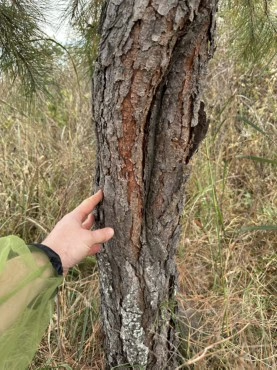
Land stewardship is often described as a matter of simple choices, but invasive species can make those choices emotionally and ecologically complicated. This article begins with the long view: a small property planted years earlier with native trees such as Shortleaf Pine, Post Oak, and Common Persimmon has matured into a habitat full of promise.
But that success comes with a problem. A beautiful, heavily visited flowering vine turns out to be Japanese Honeysuckle (Lonicera japonica), an invasive species capable of climbing native trees, depriving them of light, and spreading into surrounding properties.
The tension is the heart of the story. The honeysuckle is serving pollinators in the moment, yet undermining the long-term health of the habitat. Removing it means a short-term loss of forage, but keeping it means accepting a much larger ecological cost.
That conflict makes the article especially effective as a companion to the Society’s broader invasive plant work. It invites readers to think beyond absolutes and to weigh immediate wildlife use against long-term damage, neighboring land impacts, and the future of native habitat.
Readers looking for practical support can also consult the NPSOT Invasive Plant Database for additional identification and management guidance.
Did you like this article? It’s from our Summer 2026 Texas Native Plants magazine. Read more here