

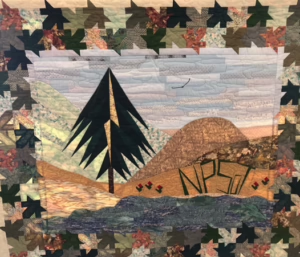
 We’re excited to share some wonderful news — the Boerne chapter has been named Chapter of the Year by the Native Plant Society of Texas!
This recognition celebrates our chapter’s ongoing commitment to promoting the conservation, research, and use of native plants and plant habitats across Texas through education, outreach, and leading by example. From meaningful conservation projects to engaging community programs, our members continue to bring the NPSOT mission to life.
In 2025 alone, chapter members devoted countless volunteer hours to habitat restoration projects, maintenance of demonstration gardens, educational workshops, and a wide variety of outreach efforts — including native plant sales, field trips, and assistance with pollinator gardens. The dedication and enthusiasm of our volunteers truly made the difference.
This honor feels especially meaningful as we also celebrated our 25th anniversary this year. The milestone was marked with a series of special events. Highlights included the grand opening of a native plant seed library at the Patrick Heath Public Library; a native plant art show featuring local artists; the creation of a special native plant book section at the library; guided tours of the Boerne City Campus Natural Area; a Chamber of Commerce After Hours mixer introducing NPSOT to chamber members; and a festive 25th anniversary celebration at our October membership meeting.
“The work that the members do in the community is impressive and clearly exemplifies our mission,” said Laura Leggett, NPSOT President. “Add to that all of the special events that were held to commemorate the 25th anniversary of the chapter and you arrive at Chapter of the Year!”
Thank you to every member and volunteer who helped make this possible. This award belongs to all of you, and we look forward to continuing our work to advance native plant conservation across Texas.

