Clear Lake Chapter

Chapter Meeting: Mycorrhizal Fungi

March 14, 2022

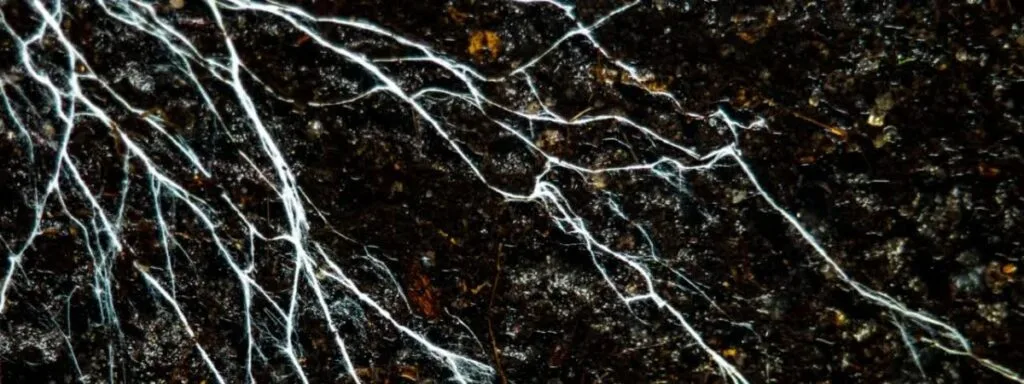
Mycorrhizae play important roles in plant nutrition, soil biology, and soil chemistry. David Lewis talks about mycorrhizal fungi and its role in a plant’s rhizosphere, its root system. He also discusses fungi in the garden and edible fungi in an extended Q&A.

About the Speaker

David P. Lewis, M.S., is a retired chemist and avid mycologist with a BS and MS from Lamar University, Beaumont, Texas, where his master’s thesis was based on a study of East Texas mushrooms. Currently, David is a research associate with the Field Museum of Natural History in Chicago, IL, where 5000 of his fungi collections are deposited. He is also a research associate with the Tracy Herbarium at Texas A&M University where 5500 of his fungi collections are deposited. From 2006 to 2018, he was the Fungal TWIG (coordinator for mycologists) for the Big Thicket National Preserve All Taxa Biodiversity Inventory. He is past president of the Gulf States Mycological Society, has authored many papers related to mycology, and discovered several new species of mushrooms (four species are named for him). He was a recipient of The North American Mycological Association’s award for Contributions to Amateur Mycology in 2009 and the R.E. Jackson Conservation Award from the Big Thicket Association in 2010. In 2021 he received the Mycological Society of America “Gordon and Tina Wasson Award” for contributions to mycology. With Alan and Arleen Bessette, he co-authored Mushrooms of the Gulf Coast States – A Field Guide to Texas, Louisiana, Mississippi, Alabama and Florida.

Hosted by Environmental Institute of Houston, University of Houston-Clear Lake

Related Posts

Oyster Mushroom

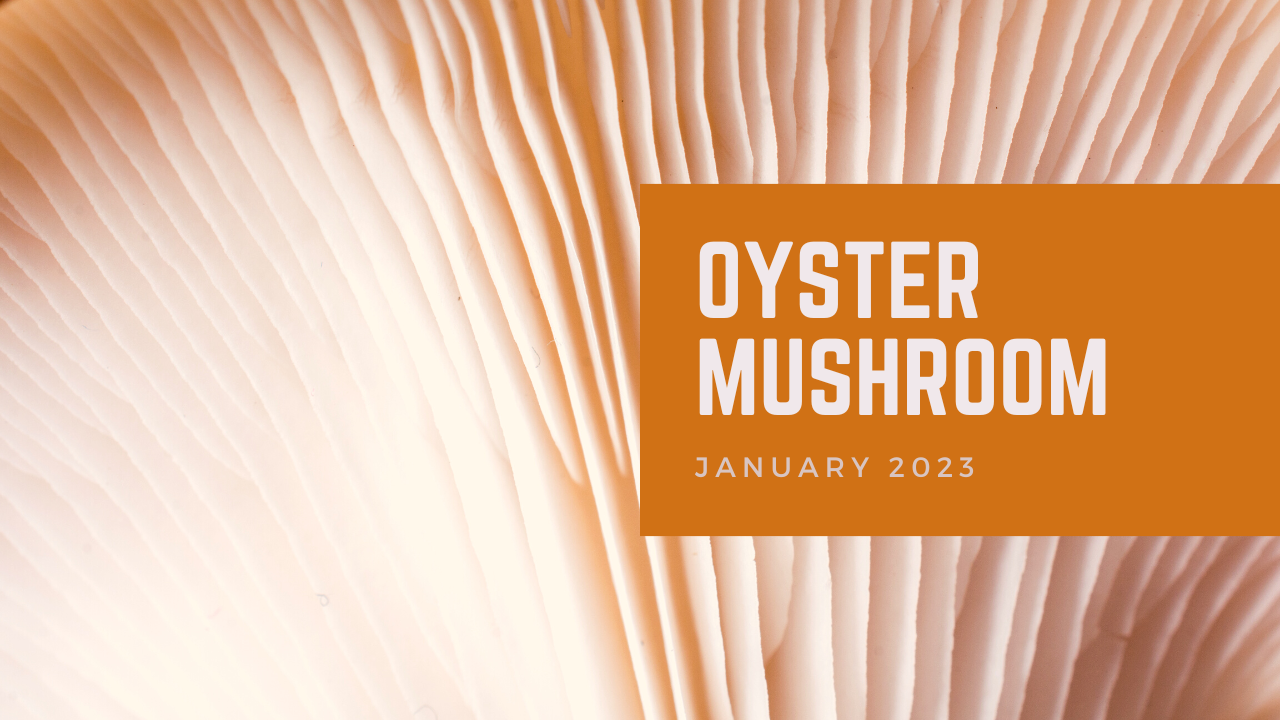
Plant of the Month: Oyster Mushroom

Our plant of the month for January isn’t a plant at all, it’s a fungus!
Botanical name: Pleurotus ostreatus
Common name(s): Oyster Mushroom, Pearl Oyster Mushroom
Texas Star Mushroom

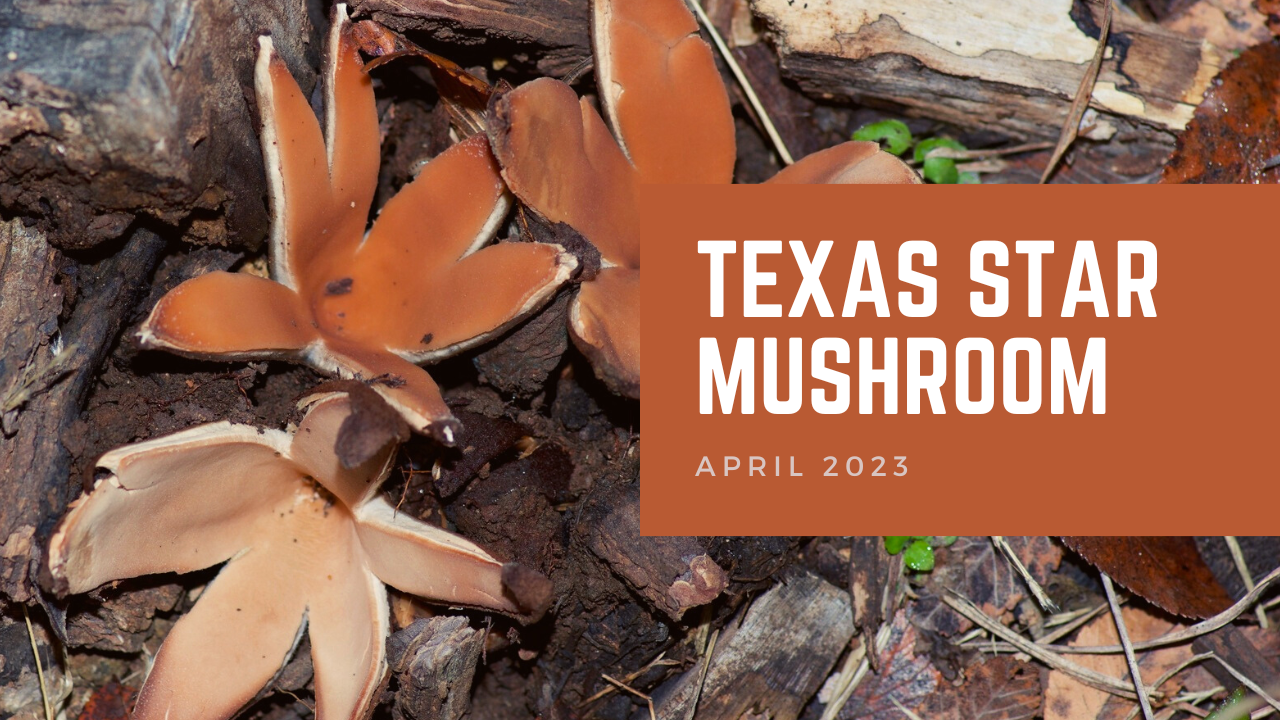
Plant of the Month: Texas Star Mushroom

Our plant of the month for April isn’t a plant, it’s the official State Mushroom of Texas!
Botanical name: Chorioactis geaster
Common name(s): Texas Star Mushroom, Devil’s Cigar, Kirinomitake

About the Region

2026 Fall Symposium Logo

This low-elevations region of Texas extends inland from the barrier islands, about 60 or so miles, and stretches from Brownsville to Louisiana. In total, it covers about 9.5 million acres, with a high point of 150 feet in elevation. More than 1000 species of plants can be found in this region. On the southern end, species more common in Mexico (such as Sabal mexicana) and Central America occur.

The barrier islands provide us with dune systems, and clay flats to the inland side, which have species found in these areas alone. Many plants here, such as Ipomoea pes-caprae (beach morning glory), can be found throughout tropical regions of the globe. I’ve encountered the same species on the beaches of Guam.

Once inland, vast marshes and wet prairies occur. Occasionally, oak (Quercus fusiformis) groves can be found. Common grasses include species of Bothriochloa, Paspalum, and Sporobolus; eastern gamagrass (Tripsacum dactyloides); and switchgrass (Panicum species). Many rivers and creeks cut through the Gulf Prairies, and along these riparian areas various species of trees, Sabal minor, and other plants adapted to clay soils can be found. Due to overgrazing, farming, and fire suppression, woody species such as mesquite (Prosopis glandulosa) and huisache (Acacia farnesiana), and invasive species such as chinaberry (Melia azedarach), Brazilian pepper (Schinus terebinthifolius), and Chinese tallow (Sapium sebiferum) have increased and displaced our native flora.

Source: Wildflowers of Texas by Michael Eason