

 Climate variability is a game-changer in the increasing die-off of native plants and the proliferation of invasive plants. Scientists are tracking the life-cycle changes of plants and the species that rely upon them. They are merging scientific and traditional knowledge and are assessing the vulnerability of forests and natural areas. This program will highlight the impacts of climate change on native and invasive plants and provide up-to-date information on proposed solutions.
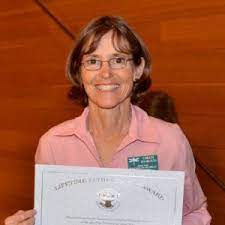
Cheryl has been a member of the San Antonio Chapter of the Native Plant Society of Texas since 2008 and has also been an Alamo Area Master Naturalist since 2007. Cheryl co-founded the Balcones Satellite of the Invaders of Texas Program in 2010. Since that time, teams of volunteer citizen scientists have eradicated more than 200,000 invasive plants from city, state and national parks in the San Antonio area. They have also created demonstration native plant and pollinator gardens. In 2011 Cheryl received the Outstanding Citizen Scientist Award from the Texas Invasive Plants and Pest Council (TIPPC) and the NPSOT President’s Award of Excellence. In 2011 Cheryl received the Outstanding Citizen Scientist Award from the Texas Invasive Plants and Pest Council (TIPPC) and the NPSOT President’s Award of Excellence. In 2015, she received a Lifetime Achievement Award from President Obama for contributing more than 4,000 volunteer hours to the master naturalist program.
