Buffelgrass

Invasive Description

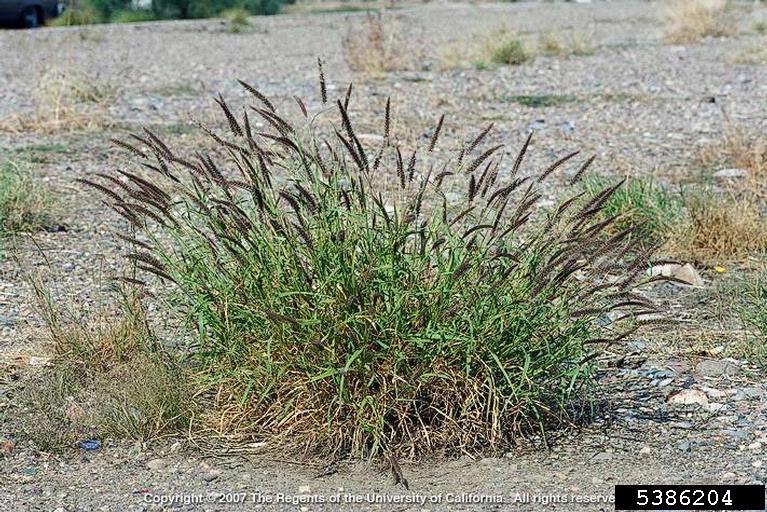
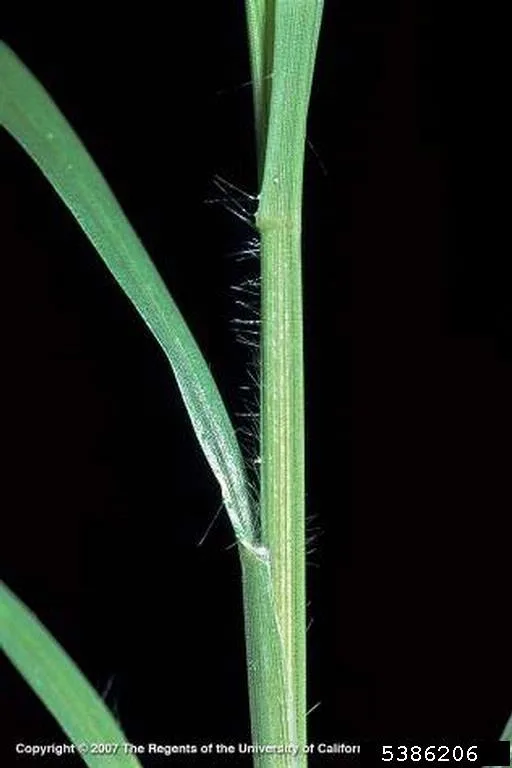
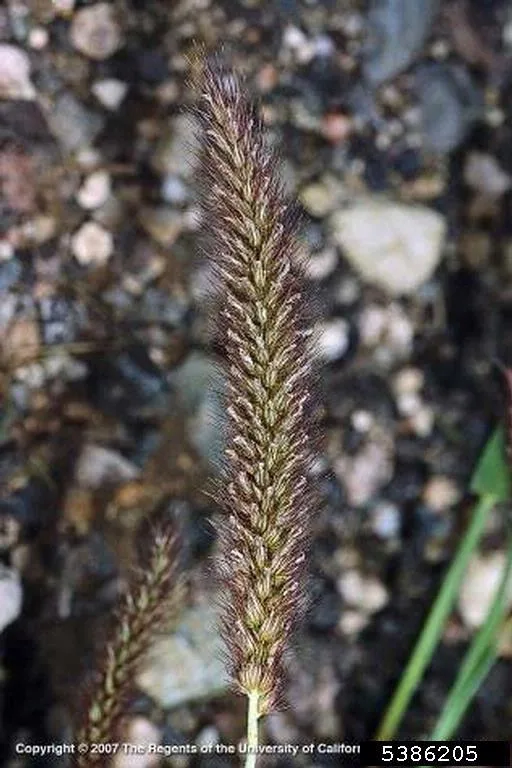
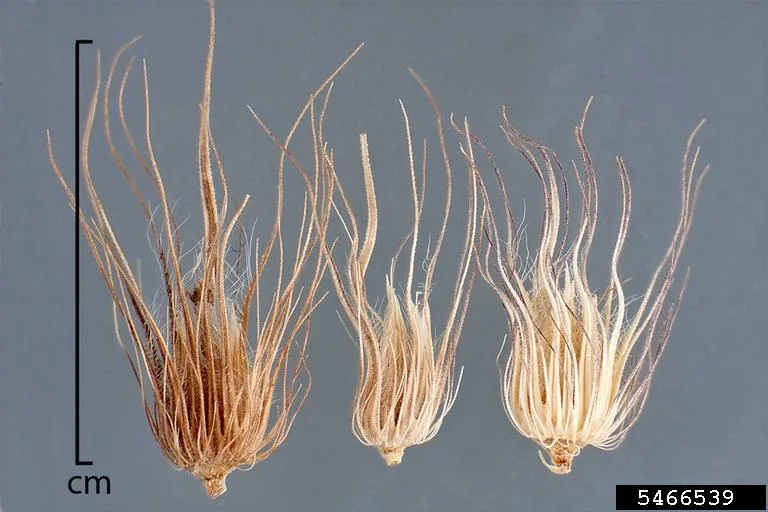
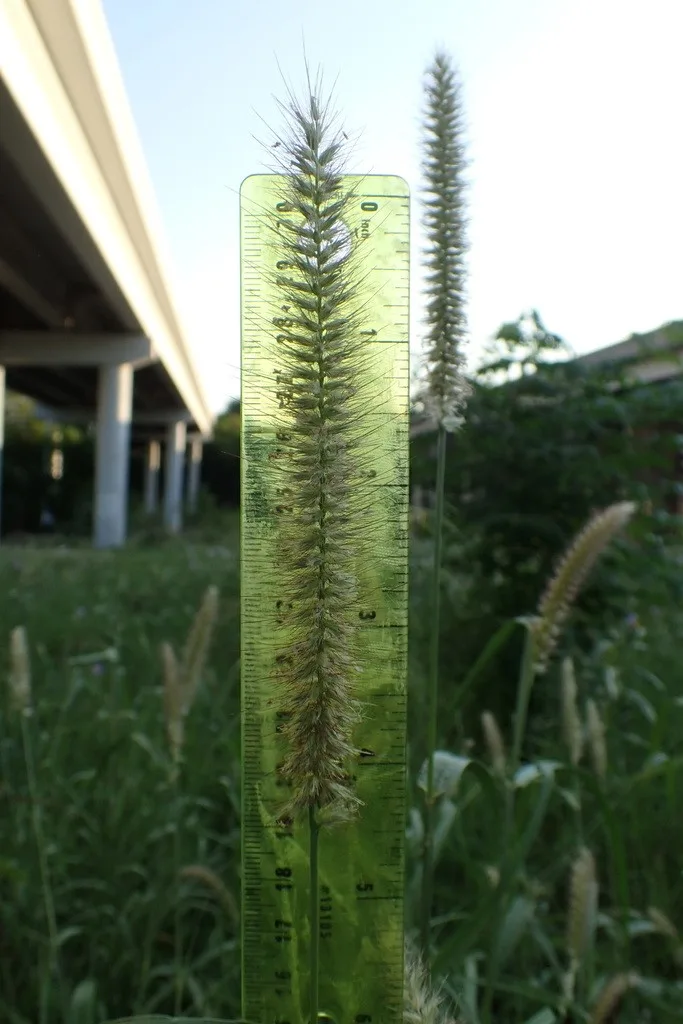
(Not to be confused with our native Buffalo Grass (Bouteloua dactyloides)). Native to Africa, Asia, and Europe, Buffelgrass is a perennial bunchgrass with erect stems 5-60 inches tall. It can form thick mats or tussocks with dense, usually stoloniferous root systems. The leaf blades are bluish-green in color. Flowers are covered with small spikes or burrs to facilitate seed dispersal by attaching to animal fur or human clothing. Synonym: Pennisetum ciliare

Ecological Threat

Buffelgrass was introduced to the United States in the 1930s as livestock forage. The grass’s rapid growth is dense and crowds out native plants of similar size. It quickly dominates moist areas, resulting in weakening and killing larger desert plants. Dense roots and ground shading prevent germination of competing seeds. It can kill most native plants by these means alone.  It has been identified as the most troublesome weed in Big Bend National Park. It was first introduced in San Antonio in the mid-1940s, and by the mid-1970s, it covered 90% of the seeded rangeland south of San Antonio.  It is considered by some to be simultaneously the most important forage grass in South Texas and an invasive and troublesome weed displacing native species. Buffelgrass is considered the archenemy of the Sonoran Desert– the invasive grass most likely to cause significant damage to the native ecosystem, including the Giant Saguaro Cactus.

Buffelgrass alters the fire regime and creates a fire hazard for infrastructure, animals and people. In desert areas unused to ground fires, it causes a high volume of dry plant matter to accumulate, which can fuel intense fires. Resilience to fire enables buffelgrass to survive and quickly produce new growth after burning, providing fuel for more fires.

You may not want or need to replace this invasive plant, but if you do, options are listed below.

How to Eradicate

For information on how to eradicate this invasive, view our statement on herbicide use and preferred alternatives for invasive plants.

Native Alternatives

You can replace this invasive plant with native alternatives. Here are some plants that make superior replacements.

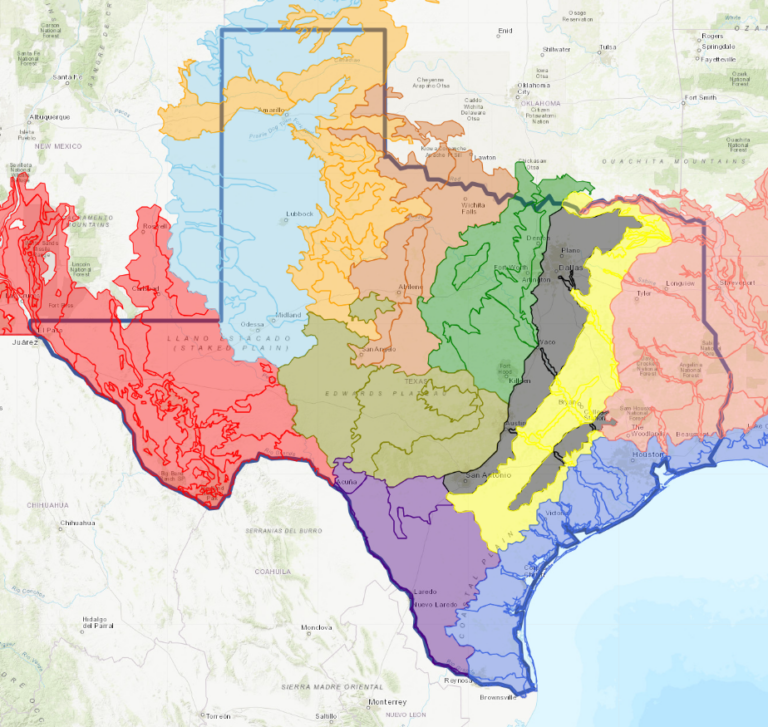
Match your location on the Texas map to the color squares on the replacement plants below to find suitable replacements for your ecoregion.

Click for more details about the ecoregions
Additional Replacement Options: Native range grasses and forbs

About the Region

Fall Symposium 2025 Logo - Teach for the Future

Salado, the location of our Fall 2025 Symposium, lies at the intersection of two ecoregions: the Edwards Plateau (Limestone Cut Plain) and Blackland Prairie (Northern Blackland Prairie).

The Edwards Plateau area is also called the Hill Country; however, this general term covers a much larger area extending farther north. Spring-fed creeks are found throughout the region; deep limestone canyons, rivers, and lakes (reservoirs) are common. Ashe juniper is perhaps the most common woody species found throughout the region. Additional woody species include various species of oak, with live oak (Quercus fusiformis) being the most common. Sycamores (Platanus occidentalis) and bald cypress (Taxodium distichum) border waterways. This area is well known for its spring wildflower displays, though they may be viewed in spring, late summer, and fall, as well. According to Texas Parks and Wildlife, average annual rainfall in the Edwards Plateau ranges from 15 to 34 inches.

The Blackland Prairie extends from the Red River south to San Antonio, bordered on the west by the Edwards Plateau and the Cross Timbers, and on the east by the Post Oak Savannah. Annual rainfall averages 30 to 40 inches, with higher averages to the east. This region is dominated by prairie species. The most common grass species include little bluestem (Schizachyrium scoparium) and Indian grass (Sorghastrum nutans) in the uplands and switchgrass (Panicum virgatum) in the riparian areas and drainages. Common herbaceous flowering plants include salvias, penstemons, and silphiums. This area has suffered greatly from overgrazing and agricultural use. Few intact areas remain, though many of the plants can be found along county roadsides throughout the region.

Our fall Symposium host chapter, the Tonkawa Chapter, includes both of these ecoregions.

Source: Wildflowers of Texas by Michael Eason