Kudzu

Invasive Description

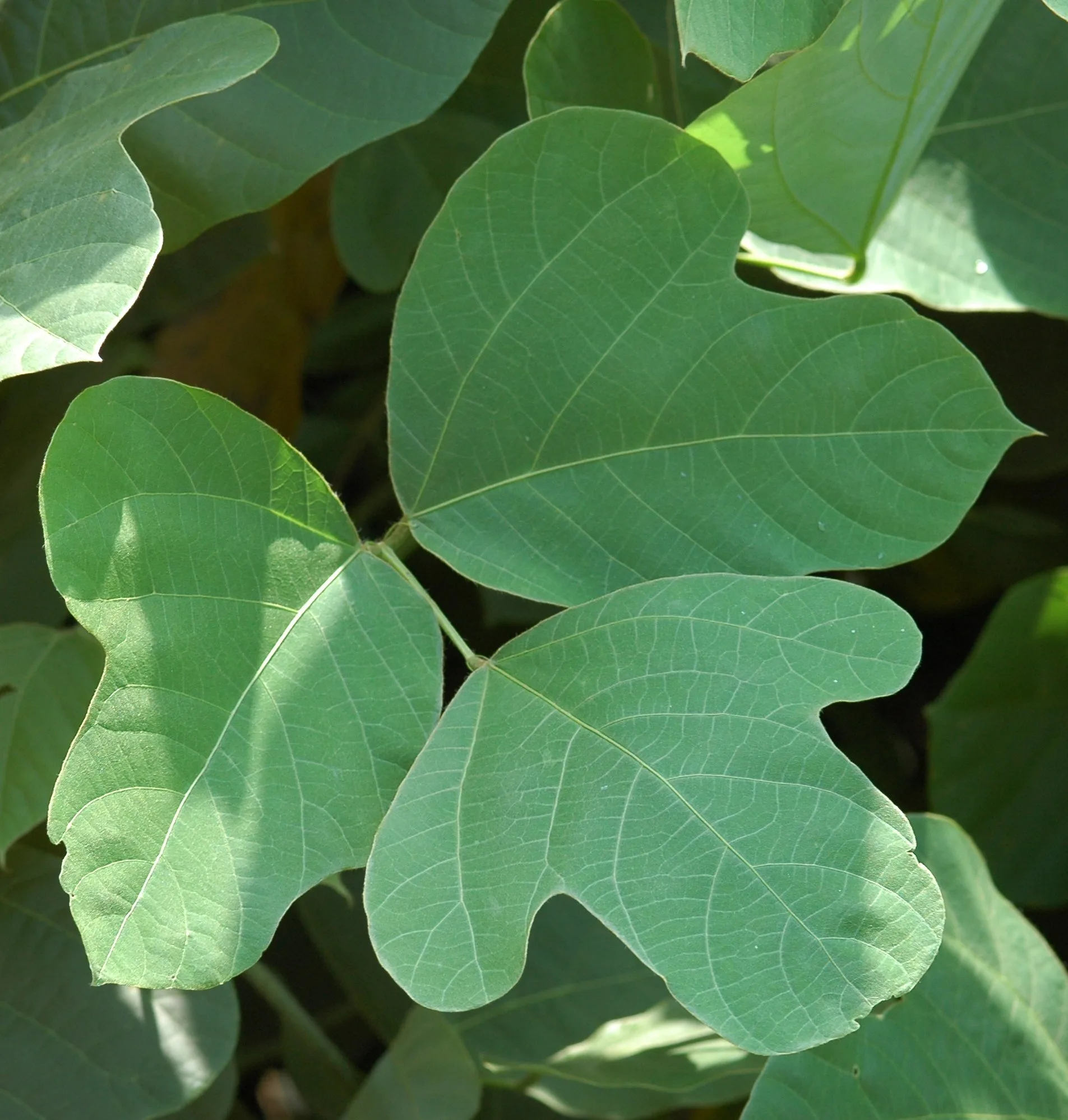
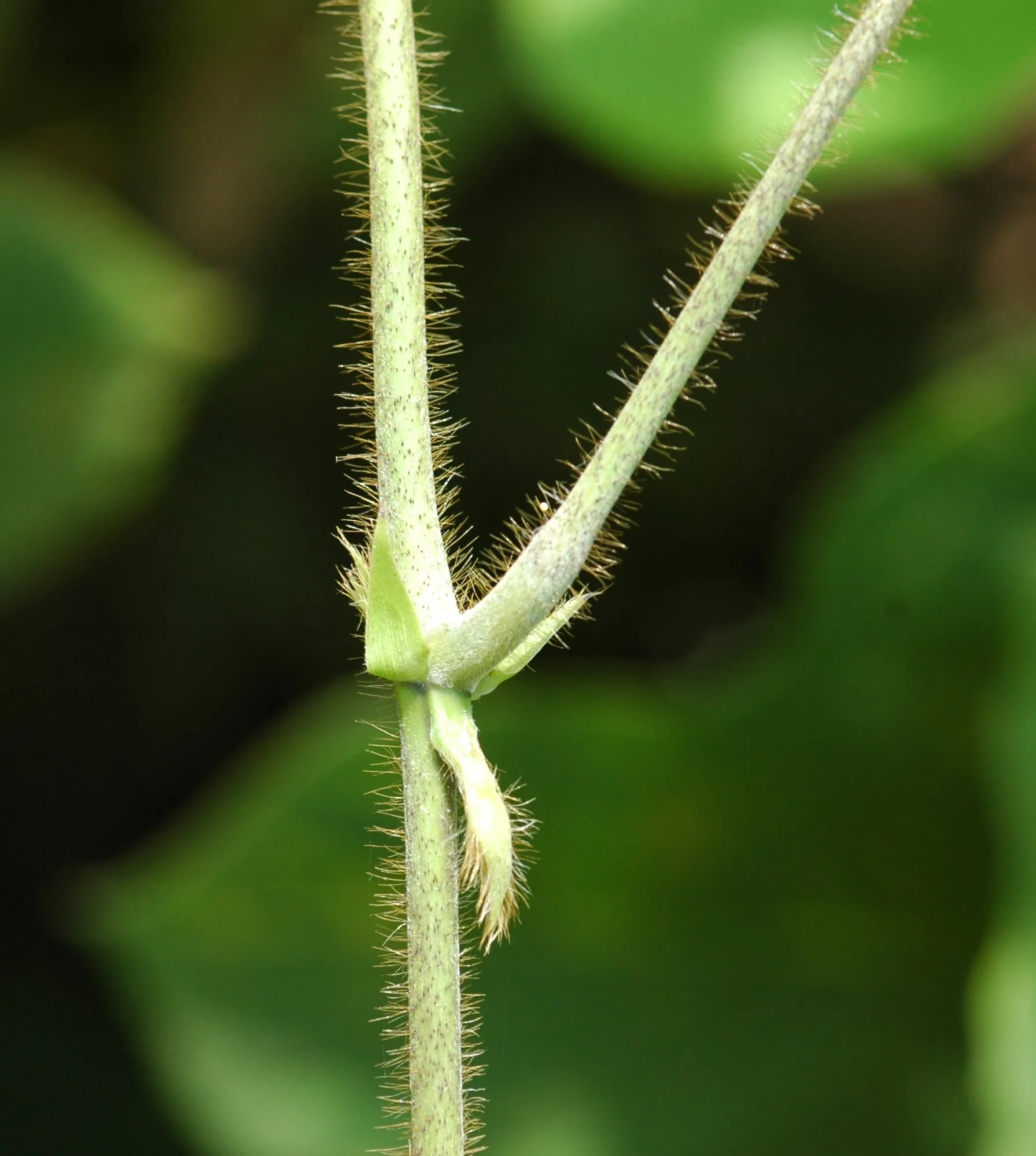
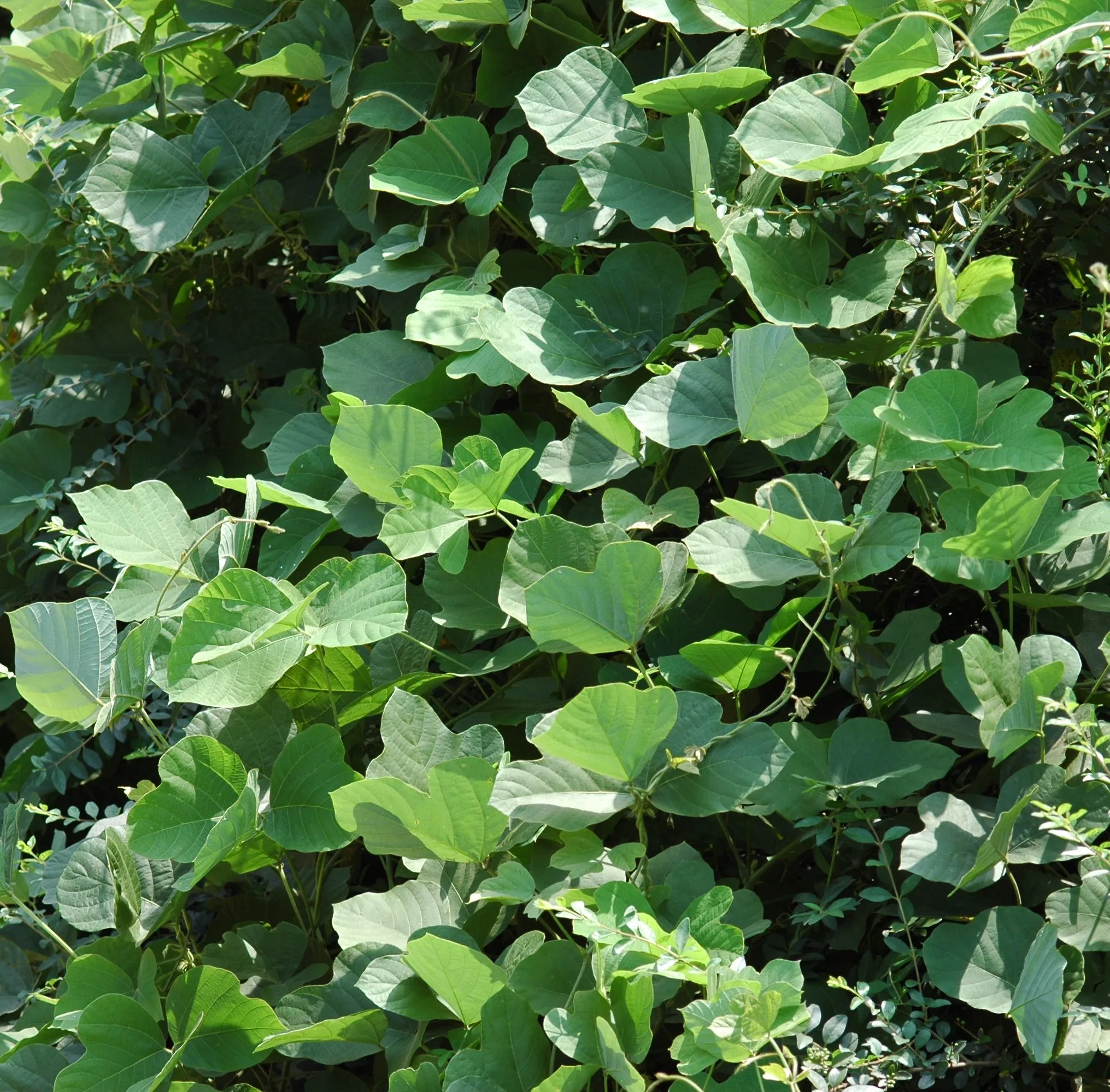
Kudzu, native to Japan, China and Korea, is a deciduous twining, trailing, mat-forming, ropelike woody leguminous vine, 35 to 100 feet long with three-leaflet leaves. It produces large semi-woody tuberous roots reaching depths of 3 to 16 feet. It roots at nodes to form new plants. Dense stands are characterized by thousands of single-colored plants covering everything in their range and creating a monoculture. Fragrant purple flowers are clustered in axillary racemes up to one foot long.

Ecological Threat

Widely known as “the vine that ate the south,” Kudzu was introduced in 1876 at the Centennial Exposition in Philadelphia, Pennsylvania. It was originally used in landscapes. In the 1920s it was promoted as a forage plant and by the 1930s the Soil Conservation Service encouraged landowners to plant it for erosion control. The Civilian Conservation Corps planted it and farmers were paid as much as $8.00 per acre to plant fields of the vine in the 1930s and 1940s. Not until the 1950s did the U.S. government cease advocating the use of this plant.

Kudzu kills or degrades other plants by smothering them under a solid blanket of leaves, by girdling woody stems and tree trunks, and by breaking branches or uprooting entire trees and shrubs through the sheer force of its weight. Kudzu grows rapidly, extending as much as 60 feet per season at a rate of about one foot per day. The vine may extend 32-100 feet in length, with stems 1-4 inches in diameter. It produces massive tap roots 7 inches or more in diameter, 6 feet or more in length, and weighing as much as 400 pounds. As many as thirty vines may grow from a single root crown.

Kudzu is on the Texas Dept. of Agriculture’s Lists of Noxious and Invasive Plants which are illegal to sell, distribute or import into Texas.

How to Eradicate

For information on how to eradicate this invasive, view our statement on herbicide use and preferred alternatives for invasive plants.

Native Alternatives

You can replace this invasive plant with native alternatives. Here are some plants that make superior replacements.

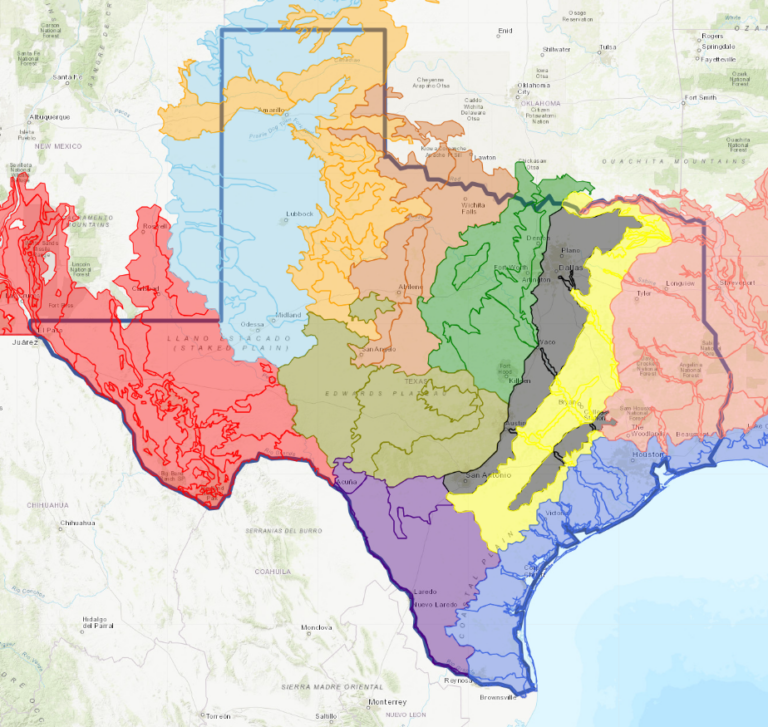
Match your location on the Texas map to the color squares on the replacement plants below to find suitable replacements for your ecoregion.

Click for more details about the ecoregions

About the Region

Fall Symposium 2025 Logo - Teach for the Future

Salado, the location of our Fall 2025 Symposium, lies at the intersection of two ecoregions: the Edwards Plateau (Limestone Cut Plain) and Blackland Prairie (Northern Blackland Prairie).

The Edwards Plateau area is also called the Hill Country; however, this general term covers a much larger area extending farther north. Spring-fed creeks are found throughout the region; deep limestone canyons, rivers, and lakes (reservoirs) are common. Ashe juniper is perhaps the most common woody species found throughout the region. Additional woody species include various species of oak, with live oak (Quercus fusiformis) being the most common. Sycamores (Platanus occidentalis) and bald cypress (Taxodium distichum) border waterways. This area is well known for its spring wildflower displays, though they may be viewed in spring, late summer, and fall, as well. According to Texas Parks and Wildlife, average annual rainfall in the Edwards Plateau ranges from 15 to 34 inches.

The Blackland Prairie extends from the Red River south to San Antonio, bordered on the west by the Edwards Plateau and the Cross Timbers, and on the east by the Post Oak Savannah. Annual rainfall averages 30 to 40 inches, with higher averages to the east. This region is dominated by prairie species. The most common grass species include little bluestem (Schizachyrium scoparium) and Indian grass (Sorghastrum nutans) in the uplands and switchgrass (Panicum virgatum) in the riparian areas and drainages. Common herbaceous flowering plants include salvias, penstemons, and silphiums. This area has suffered greatly from overgrazing and agricultural use. Few intact areas remain, though many of the plants can be found along county roadsides throughout the region.

Our fall Symposium host chapter, the Tonkawa Chapter, includes both of these ecoregions.

Source: Wildflowers of Texas by Michael Eason