It’s Contest Time: Here’s the Submission Information!

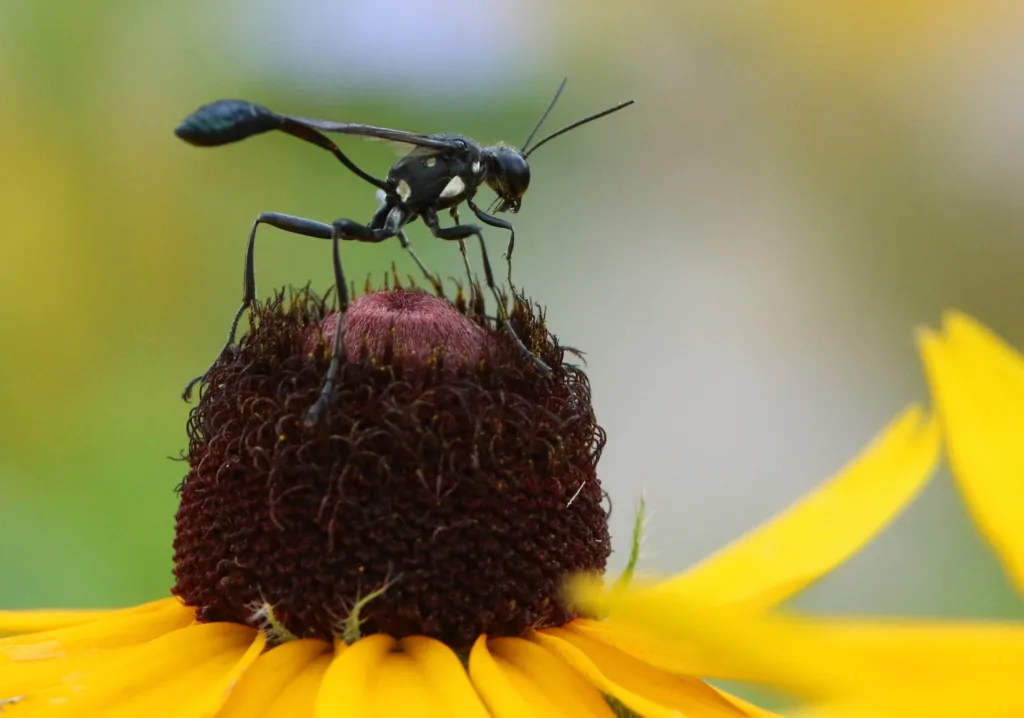
Rudbeckia hirta by 2022 Gulf Coast Prairies & Marshes Ecoregion Winner Linda Kuhn

It’s time for our annual contests for photos, videos, and chapter newsletters! 

Photos

Once again this year our photo contest is divided into categories based on the 12 Level III ecoregions in Texas. Members may enter a photo in any or all of the ecoregions. To enter you must be a current member of the Society, and submit your entry between now and July 31. Entries will be judged by a panel. 

View past winners on SmugMug.

Videos

Lots of people have started making videos for social media during the past year. So I am expecting lots more entries in our video contest. Entries must be short – 5 minutes max! – and feature some aspect of native plants. It could be a plant profile, something about a project, home landscaping, land stewardship, etc. Once again you must be a member and submit your entry between now and July 31. 

View past winners on YouTube.

Chapter Newsletters

The chapter newsletter contest is a little different. Only the chapter newsletter editor or the president of that chapter can submit entries for the contest. Also if you won the contest in the last three years you are not eligible for this year’s contest. By July 31 submit your best issue of your newsletter from the past twelve months, regardless of the frequency of issue. Newsletters may be published weekly, monthly or any other frequency. 

How to Enter

Complete rules and instructions for entering all three contests are available through the Member Portal. Select “Annual Contests” in the left-hand menu after logging in. 

Winners will be announced during the fall symposium. You’ll also be able to see them on our website and our social media channels.

Questions? Contact Bill Hopkins
Logo with blue flowers, text reads NPSOT 2023, Fall Symposium, Pineywoods Ecoregion

About the Region

Fall Symposium 2025 Logo - Teach for the Future

Salado, the location of our Fall 2025 Symposium, lies at the intersection of two ecoregions: the Edwards Plateau (Limestone Cut Plain) and Blackland Prairie (Northern Blackland Prairie).

The Edwards Plateau area is also called the Hill Country; however, this general term covers a much larger area extending farther north. Spring-fed creeks are found throughout the region; deep limestone canyons, rivers, and lakes (reservoirs) are common. Ashe juniper is perhaps the most common woody species found throughout the region. Additional woody species include various species of oak, with live oak (Quercus fusiformis) being the most common. Sycamores (Platanus occidentalis) and bald cypress (Taxodium distichum) border waterways. This area is well known for its spring wildflower displays, though they may be viewed in spring, late summer, and fall, as well. According to Texas Parks and Wildlife, average annual rainfall in the Edwards Plateau ranges from 15 to 34 inches.

The Blackland Prairie extends from the Red River south to San Antonio, bordered on the west by the Edwards Plateau and the Cross Timbers, and on the east by the Post Oak Savannah. Annual rainfall averages 30 to 40 inches, with higher averages to the east. This region is dominated by prairie species. The most common grass species include little bluestem (Schizachyrium scoparium) and Indian grass (Sorghastrum nutans) in the uplands and switchgrass (Panicum virgatum) in the riparian areas and drainages. Common herbaceous flowering plants include salvias, penstemons, and silphiums. This area has suffered greatly from overgrazing and agricultural use. Few intact areas remain, though many of the plants can be found along county roadsides throughout the region.

Our fall Symposium host chapter, the Tonkawa Chapter, includes both of these ecoregions.

Source: Wildflowers of Texas by Michael Eason