
Virginia Wildrye

Elymus virginicus

Other common name(s):

Family:

Poaceae (Grass Family)

Plant Ecoregion Distribution Map

This map uses data from the US EPA. EPA  servers have been offline frequently so maps may not display. We are working on a solution.

Central Great Plains, Cross Timbers, East Central Texas Plains, Edwards Plateau, Gulf Coast Prairies and Marshes, High Plains, Southwestern Tablelands, Texas Blackland Prairies, Western Gulf Coastal Plain
Broken Red Plains, Limestone Plains, Red Prairie
Carbonate Cross Timbers, Eastern Cross Timbers, Grand Prairie, Limestone Cut Plain, Western Cross Timbers
Bastrop Lost Pines, Floodplains and Low Terraces2, Northern Post Oak Savanna, Northern Prairie Outliers, San Antonio Prairie, Southern Post Oak Savanna
Balcones Canyonlands, Edwards Plateau Woodland, Llano Uplift, Semiarid Edwards Plateau
Northern Humid Gulf Coastal Prairies
Canadian/Cimarron High Plains, Llano Estacado, Rolling Sand Plains
Canadian/Cimarron Breaks, Caprock Canyons Badlands Breaks, Flat Tablelands and Valleys, Semiarid Canadian Breaks
Floodplains and Low Terraces1, Northern Blackland Prairie, Southern Blackland Prairie
Flatwoods, Floodplains and Low Terraces3, Pleistocene Fluvial Terraces, Red River Bottomlands, Southern Tertiary Uplands, Tertiary Uplands

Plant Characteristics

Growth Form

Grass & Sedge

Height

3
to
4
ft.

Spread

1
to
2
ft.

Leaf Retention

Deciduous

Lifespan

Perennial

Habitat and Care Requirements

Soil Type(s)

Sand, Loam, Clay, Rich, Well Drained, Moist

Light Requirement

Part Shade

Water Requirement

Medium

Native Habitat

Grassland, Variable

Bloom and Attraction

Bloom Color

Yellow

Bloom Season

Spring

Seasonal Interest

Seeds, Forage, Pollen, Larval Host, Nesting Material

Wildlife Benefit

Butterflies, Birds, Small Mammals, Moths

Maintenance

Easy to grow with sufficient moisture. This grass tolerates many types of soil but tends to favor heavy rich soil. Useful for erosion control for streambanks and hillsides. turns attractive shades of tan and crimson in the fall. Reseeds prolifically. Native habitat: shaded banks, fence rows, open woodlands. The seed heads are often collected and dried to add to floral arrangements. Warning: barbed awns pose a serious eye injury to dogs. Propagation: seed.

Comments

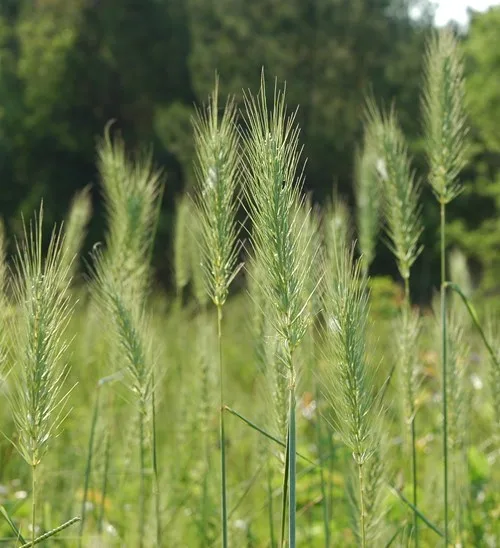
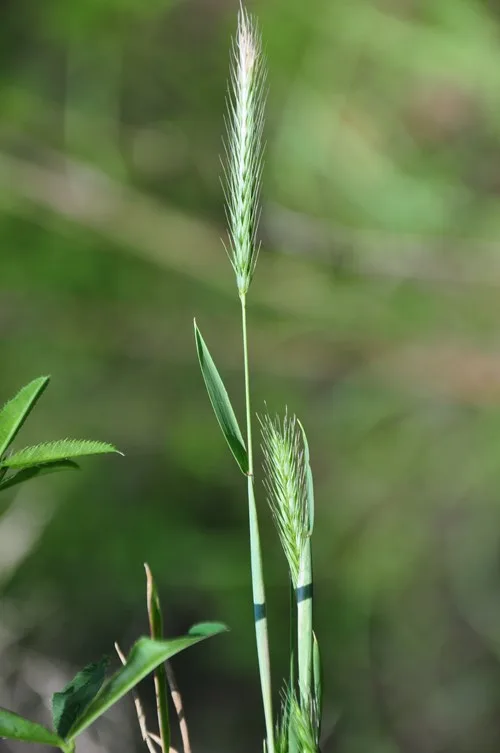
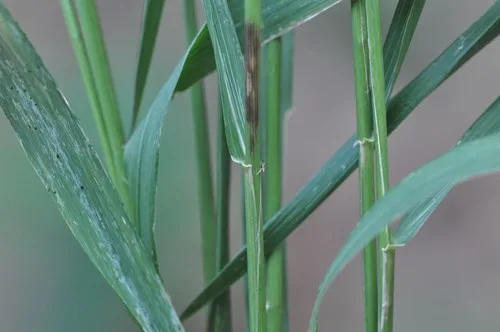
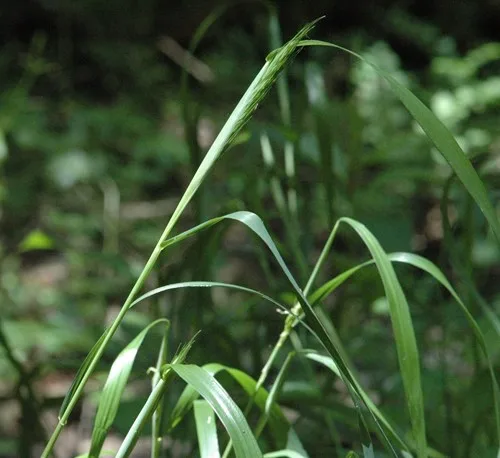
Blooms March-May. A cool-season grass clumping grass with stems that stand erect or lay prostrate along the ground. Leaf blades are flat, mostly 5-15 mm. wide. Tufted seed heads are clustered on spikes which are usually stiffly erect. Larval host: most Branded Skippers and Satyrs.

References

1) https://www.itis.gov/servlet/SingleRpt/SingleRpt?search_topic=TSN&search_value=40681, 2) https://bonap.net/TDC/Image/Map?taxonType=Species&taxonId=18178&locationType=County&mapType=Normal, 3) https://www.wildflower.org/plants/result.php?id_plant=ELVI3, 4) https://warcapps.usgs.gov/PlantID/Species/Details/1867, 5) https://www.newmoonnursery.com/plant/Elymus-virginicus#:~:text=CULTURAL%20%26%20MAINTENANCE%20NEEDS%3A%20Elymus%20virginicus,plants%20self%2Dseed%20with%20abandon, 6) https://seedsource.com/virginia-wildrye/, 7) https://www.bluestemnatives.com/product-page/seeds-elymus-virginicus-virginia-wild-rye#:~:text=Stratification%20Codes&text=Seed%20should%20germinate%20when%20sown%20in%20a%20warm%20location.&text=Hot%20water%20treatment:%20Bring%20water,seed%20with%20a%20thick%20seedcoat.&text=(%23%20of%20days%20of%20cold,a%20refrigerator%2C%20NOT%20the%20freezer.&text=Sow%20on%20the%20surface%20of,these%20seeds%20are%20very%20small.&text=These%20seeds%20need%20a%2060,90%20day%20cold%2C%20moist%20period.&text=These%20seeds%20need%20a%2060%2D90%20day%20cold%2C%20moist%20period,60%2D90%20day%20moist%20period.&text=Highest%20germination%20rate%20in%20cool%20soil.,-H&text=Seeds%20need%20scarification:%20One%20way,also%20called%20for%2C%20scarify%20first.&text=Legume%20Inoculant%20(more%20info%20next%20year).&text=Legume%20seeds%20(more%20info%20next%20year).&text=Parasitic%20species%20which%20needs%20a%20host%20plant.&text=Plant%20fresh%20seed%20or%20keep%20seed%20moist.&text=Best%20results%20when%20seed%20sown,fall%20for%20a%20natural%20winter.
Material Treatment Method Collection References
Seed No Treatment "The seed requires no stratification or treatment, and typically produce greater than 85% germination (NRCS, 2009). For best results, prepare a clean, firm, weed free seedbed by disking, harrowing, and firming the seedbed with a cultipacker or roller prior to establishment. Rain or irrigation may also be used to settle and firm the field. If possible, allow an initial flush of weeds before planting, and treat with a non-selective, broad spectrum herbicide such as glyphosate in the 2-4 leaf stage. This will help reduce early weed pressure, and, may be done multiple times before planting if severe weed competition is anticipated. Seed should be planted in early spring (in the northern plains) or fall at a depth of approximately ¼ to ½ inch in heavy soils, and up to 1 inch deep in sandy soils (NRCS, 2009). Adequate soil moisture is critical for establishment of healthy stands. Seed should be drilled at 10-15 pure live seed (PLS) pounds per acre or broadcast at 20 PLS pounds per acre, when a monoculture is desired. Mixtures should be adjusted accordingly based on the desired concentration of plants. Virginia wildrye has approximately 96,000 seeds p" https://plants.usda.gov/DocumentLibrary/plantguide/pdf/pg_elvi3.pdf
Seed Stratification Elymus virginicus seeds need at least 30 days of cold moist stratification prior to sowing. Highest germination rate in cool soil. https://www.bluestemnatives.com/product-page/seeds-elymus-virginicus-virginia-wild-rye#:~:text=Stratification%20Codes&text=Seed%20should%20germinate%20when%20sown%20in%20a%20warm%20location.&text=Hot%20water%20treatment:%20Bring%20water,seed%20with%20a%20thick%20seedcoat.&text=(%23%20of%20days%20of%20cold,a%20refrigerator%2C%20NOT%20the%20freezer.&text=Sow%20on%20the%20surface%20of,these%20seeds%20are%20very%20small.&text=These%20seeds%20need%20a%2060,90%20day%20cold%2C%20moist%20period.&text=These%20seeds%20need%20a%2060-90%20day%20cold%2C%20moist%20period,60-90%20day%20moist%20period.&text=Highest%20germination%20rate%20in%20cool%20soil.,-H&text=Seeds%20need%20scarification:%20One%20way,also%20called%20for%2C%20scarify%20first.&text=Legume%20Inoculant%20(more%20info%20next%20year).&text=Legume%20seeds%20(more%20info%20next%20year).&text=Parasitic%20species%20which%20needs%20a%20host%20plant.&text=Plant%20fresh%20seed%20or%20keep%20seed%20moist.&text=Best%20results%20when%20seed%20sown,fall%20for%20a%20natural%20winter.
Clump Division On favorable sites, this species reproduces vegetatively at the base by tillering, forming large clumps that become more vigorous so long as good conditions persist. Vigorous clumps will produce numerous upright stems. It does not spread long distances vegetatively, instead relying on seeds to this end. https://bplant.org/plant/752#:~:text=Growth%20slows%20during%20the%20hotter,livestock)%2C%20or%20regular%20mowing.

About the Region

Fall Symposium 2025 Logo - Teach for the Future

Salado, the location of our Fall 2025 Symposium, lies at the intersection of two ecoregions: the Edwards Plateau (Limestone Cut Plain) and Blackland Prairie (Northern Blackland Prairie).

The Edwards Plateau area is also called the Hill Country; however, this general term covers a much larger area extending farther north. Spring-fed creeks are found throughout the region; deep limestone canyons, rivers, and lakes (reservoirs) are common. Ashe juniper is perhaps the most common woody species found throughout the region. Additional woody species include various species of oak, with live oak (Quercus fusiformis) being the most common. Sycamores (Platanus occidentalis) and bald cypress (Taxodium distichum) border waterways. This area is well known for its spring wildflower displays, though they may be viewed in spring, late summer, and fall, as well. According to Texas Parks and Wildlife, average annual rainfall in the Edwards Plateau ranges from 15 to 34 inches.

The Blackland Prairie extends from the Red River south to San Antonio, bordered on the west by the Edwards Plateau and the Cross Timbers, and on the east by the Post Oak Savannah. Annual rainfall averages 30 to 40 inches, with higher averages to the east. This region is dominated by prairie species. The most common grass species include little bluestem (Schizachyrium scoparium) and Indian grass (Sorghastrum nutans) in the uplands and switchgrass (Panicum virgatum) in the riparian areas and drainages. Common herbaceous flowering plants include salvias, penstemons, and silphiums. This area has suffered greatly from overgrazing and agricultural use. Few intact areas remain, though many of the plants can be found along county roadsides throughout the region.

Our fall Symposium host chapter, the Tonkawa Chapter, includes both of these ecoregions.

Source: Wildflowers of Texas by Michael Eason