Zigzag Iris

Iris brevicaulis

Other common name(s):

Family:

Iridaceae (Iris Family)

Plant Ecoregion Distribution Map

This map uses data from the US EPA. EPA  servers have been offline frequently so maps may not display. We are working on a solution.

Gulf Coast Prairies and Marshes, Western Gulf Coastal Plain
Northern Humid Gulf Coastal Prairies
Flatwoods, Southern Tertiary Uplands

Plant Characteristics

Growth Form

Herbaceous

Height

1
to
2
ft.

Spread

0.5
to
1
ft.

Leaf Retention

Semi Evergreen

Lifespan

Perennial

Habitat and Care Requirements

Soil Type(s)

Loam, Clay, Moist

Light Requirement

Sun, Part Shade, Shade

Water Requirement

Medium, High

Native Habitat

Woodland, Wetland or Riparian

Bloom and Attraction

Bloom Color

White, Yellow, Blue, Purple

Bloom Season

Spring

Seasonal Interest

Fruit, Nectar

Wildlife Benefit

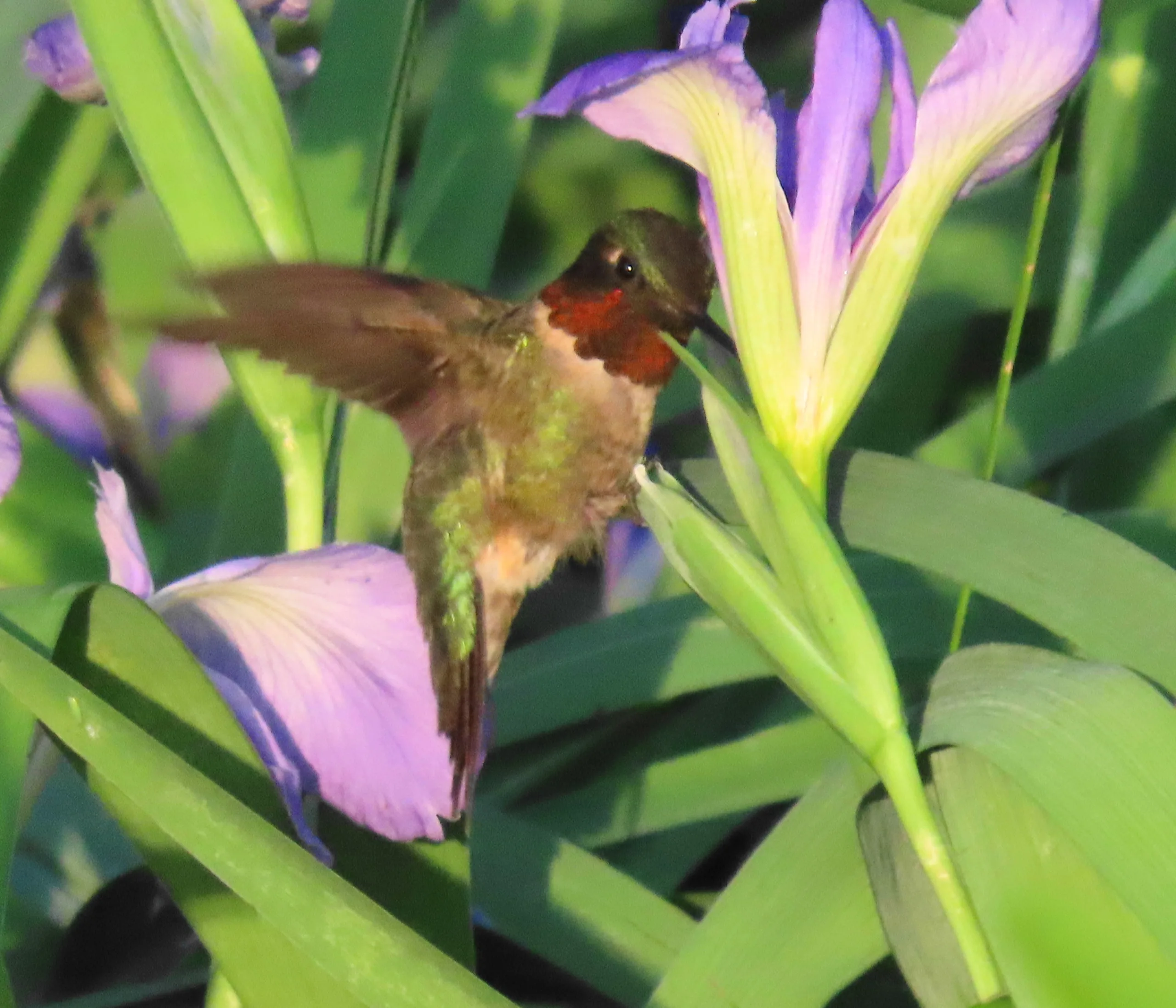
Birds, Hummingbirds

Maintenance

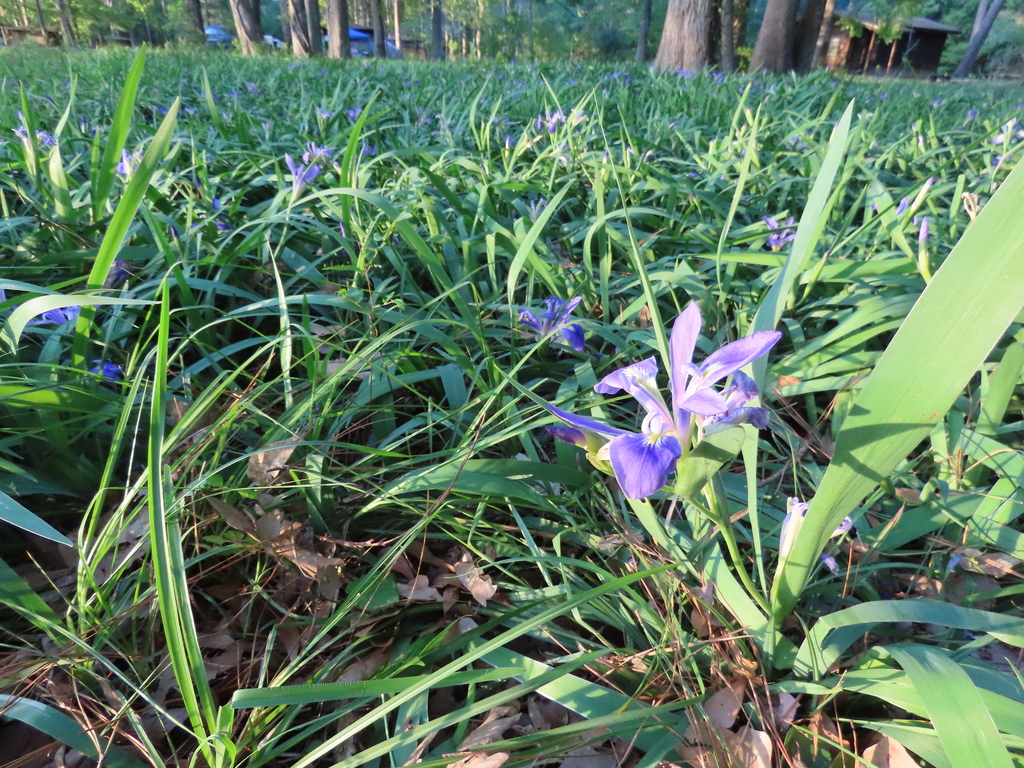
Popular ornamentals. Works well in partially shaded rock gardens, perennial borders, rain gardens, ponds and streams. If kept moist, will stay evergreen. Spreads by rhizomes. Makes nice cut flowers. Propagation: clump division, seed.

Comments

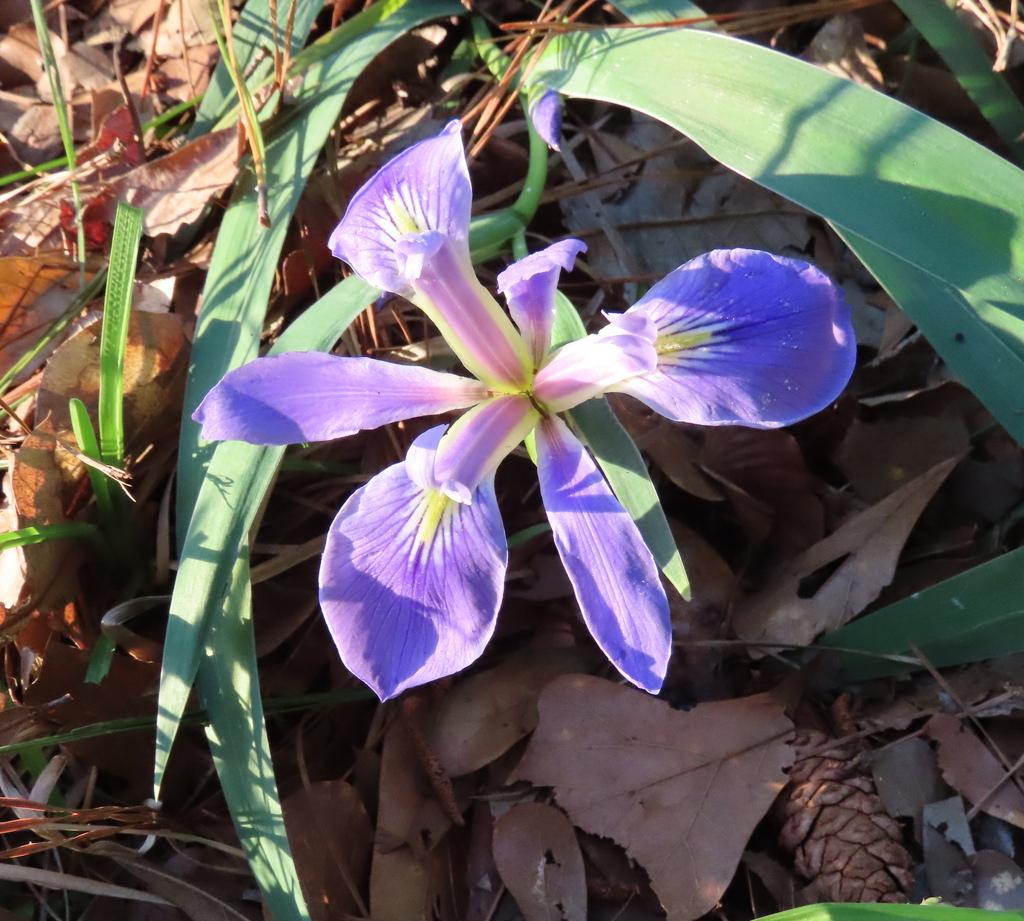
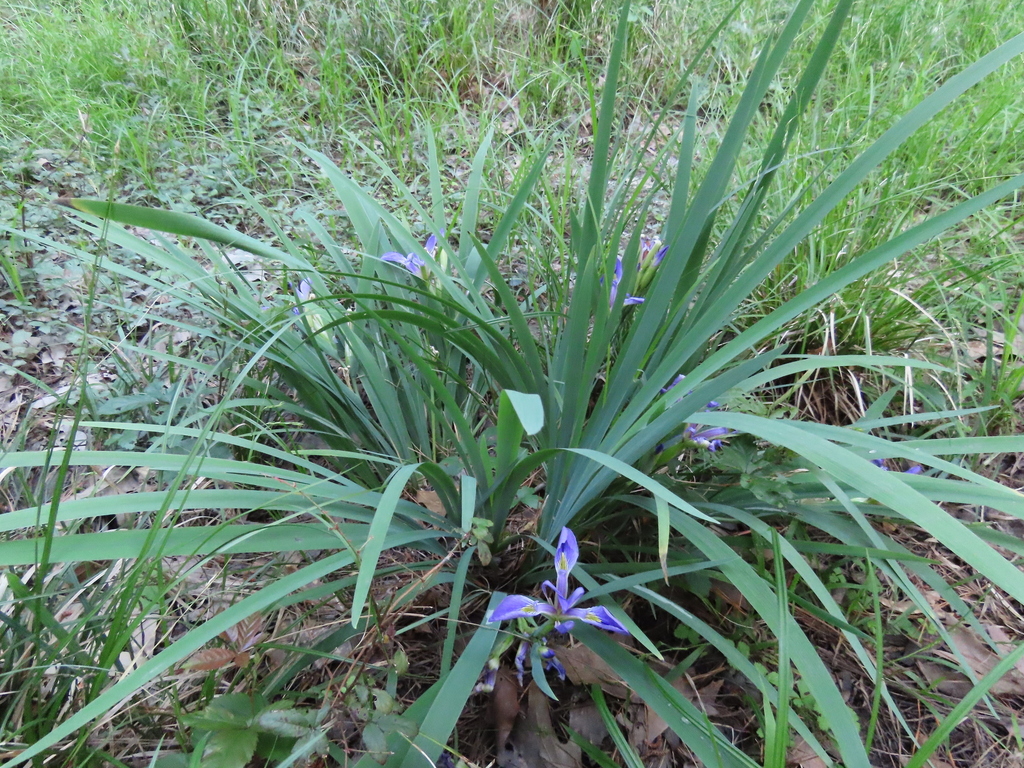
Blooms March-June. Low growing, with zig-zag stems. Long, arching, linear, leaves. Showy purple to white flowers are made up of dark-veined petals and sepals. The sepals are longer than the petals and have a yellow patch toward the base. The fruit is a capsule.
Previous Scientific Name(s): Iris brevipes, Iris foliosa, Iris foliosa var. boonensis, Iris mississippiensis
Material Treatment Method Collection References
Clump Division Using a sharp, clean knife or spade, divide the rhizomes (thick underground stems) into smaller sections, ensuring each section has healthy roots and at least one fan of leaves. Replant the divisions at the same depth they were previously growing, ensuring the fan of leaves sits slightly above soil level. Water thoroughly and watch your Iris brevicaulis colony expand in the seasons to come. Best undertaken in late summer or early fall after flowering has ceased. Carefully lift the entire clump from the ground, shaking off excess soil. 1) https://propagate.one/how-to-propagate-iris-brevicaulis/ 2) https://www.wildflower.org/plants/result.php?id_plant=IRBR2
Seed No Treatment Seed propagation requires more patience, as the blooming reward comes after a longer waiting period. Sow seeds in a well-draining seed starting mix, covering them lightly with soil. Keep the soil consistently moist but not waterlogged. Germination can take several weeks to months. Be patient, and soon you’ll be greeted by tiny Iris brevicaulis seedlings, ready to be nurtured into full-fledged blooms. Allow seed pods to fully mature and dry on the plant. Once they split open, collect the ripe seeds. https://propagate.one/how-to-propagate-iris-brevicaulis/

About the Region

Fall Symposium 2025 Logo - Teach for the Future

Salado, the location of our Fall 2025 Symposium, lies at the intersection of two ecoregions: the Edwards Plateau (Limestone Cut Plain) and Blackland Prairie (Northern Blackland Prairie).

The Edwards Plateau area is also called the Hill Country; however, this general term covers a much larger area extending farther north. Spring-fed creeks are found throughout the region; deep limestone canyons, rivers, and lakes (reservoirs) are common. Ashe juniper is perhaps the most common woody species found throughout the region. Additional woody species include various species of oak, with live oak (Quercus fusiformis) being the most common. Sycamores (Platanus occidentalis) and bald cypress (Taxodium distichum) border waterways. This area is well known for its spring wildflower displays, though they may be viewed in spring, late summer, and fall, as well. According to Texas Parks and Wildlife, average annual rainfall in the Edwards Plateau ranges from 15 to 34 inches.

The Blackland Prairie extends from the Red River south to San Antonio, bordered on the west by the Edwards Plateau and the Cross Timbers, and on the east by the Post Oak Savannah. Annual rainfall averages 30 to 40 inches, with higher averages to the east. This region is dominated by prairie species. The most common grass species include little bluestem (Schizachyrium scoparium) and Indian grass (Sorghastrum nutans) in the uplands and switchgrass (Panicum virgatum) in the riparian areas and drainages. Common herbaceous flowering plants include salvias, penstemons, and silphiums. This area has suffered greatly from overgrazing and agricultural use. Few intact areas remain, though many of the plants can be found along county roadsides throughout the region.

Our fall Symposium host chapter, the Tonkawa Chapter, includes both of these ecoregions.

Source: Wildflowers of Texas by Michael Eason