

Eastern Cottonwood

Populus deltoides

Other common name(s):

Carolina Poplar, Necklace Poplar, Alamo

Family:

Salicaceae (Willow Family)

Plant Ecoregion Distribution Map

This map uses data from the US EPA. EPA  servers have been offline frequently so maps may not display. We are working on a solution.

Central Great Plains, Chihuahuan Deserts, Cross Timbers, East Central Texas Plains, Edwards Plateau, Gulf Coast Prairies and Marshes, High Plains, Southern Texas Plains, Southwestern Tablelands, Texas Blackland Prairies, Western Gulf Coastal Plain
Broken Red Plains, Red Prairie
Chihuahuan Basins and Playas, Chihuahuan Desert Grasslands, Chihuahuan Montane Woodlands, Low Mountains and Bajadas, Stockton Plateau
Carbonate Cross Timbers, Eastern Cross Timbers, Grand Prairie, Limestone Cut Plain, Western Cross Timbers
Bastrop Lost Pines, Floodplains and Low Terraces2, San Antonio Prairie, Southern Post Oak Savanna
Balcones Canyonlands, Edwards Plateau Woodland, Llano Uplift
Floodplains and Low Terraces4, Northern Humid Gulf Coastal Prairies, Texas-Louisiana Coastal Marshes
Canadian/Cimarron High Plains, Llano Estacado, Rolling Sand Plains
Northern Nueces Alluvial Plains, Rio Grande Floodplain and Terraces, Texas-Tamaulipan Thornscrub
Canadian/Cimarron Breaks, Caprock Canyons Badlands Breaks, Flat Tablelands and Valleys, Semiarid Canadian Breaks
Floodplains and Low Terraces1, Northern Blackland Prairie, Southern Blackland Prairie
Flatwoods, Floodplains and Low Terraces3, Pleistocene Fluvial Terraces, Red River Bottomlands, Southern Tertiary Uplands, Tertiary Uplands

Plant Characteristics

Growth Form

Tree

Height

12
to
36
ft.

Spread

35
to
60
ft.

Leaf Retention

Deciduous

Lifespan

Perennial

Habitat and Care Requirements

Soil Type(s)

Sand, Loam, Clay, Well Drained, Moist

Light Requirement

Sun, Part Shade, Shade

Water Requirement

High

Native Habitat

Woodland, Wetland or Riparian

Bloom and Attraction

Bloom Color

Yellow

Bloom Season

Spring

Seasonal Interest

Fall Color, Seeds, Larval Host

Wildlife Benefit

Butterflies, Birds

Maintenance

Fast growth rate and short-lived. The name refers to the abundant cottony seeds. Tolerant of any (except for constantly waterlogged) soil. Does best in deep, fertile soils. Weak wood – don’t plant too close to buildings, roots are widespread. Foliage provides attractive fall color. Propagation: semi-hardwood cutting, seed.

Comments

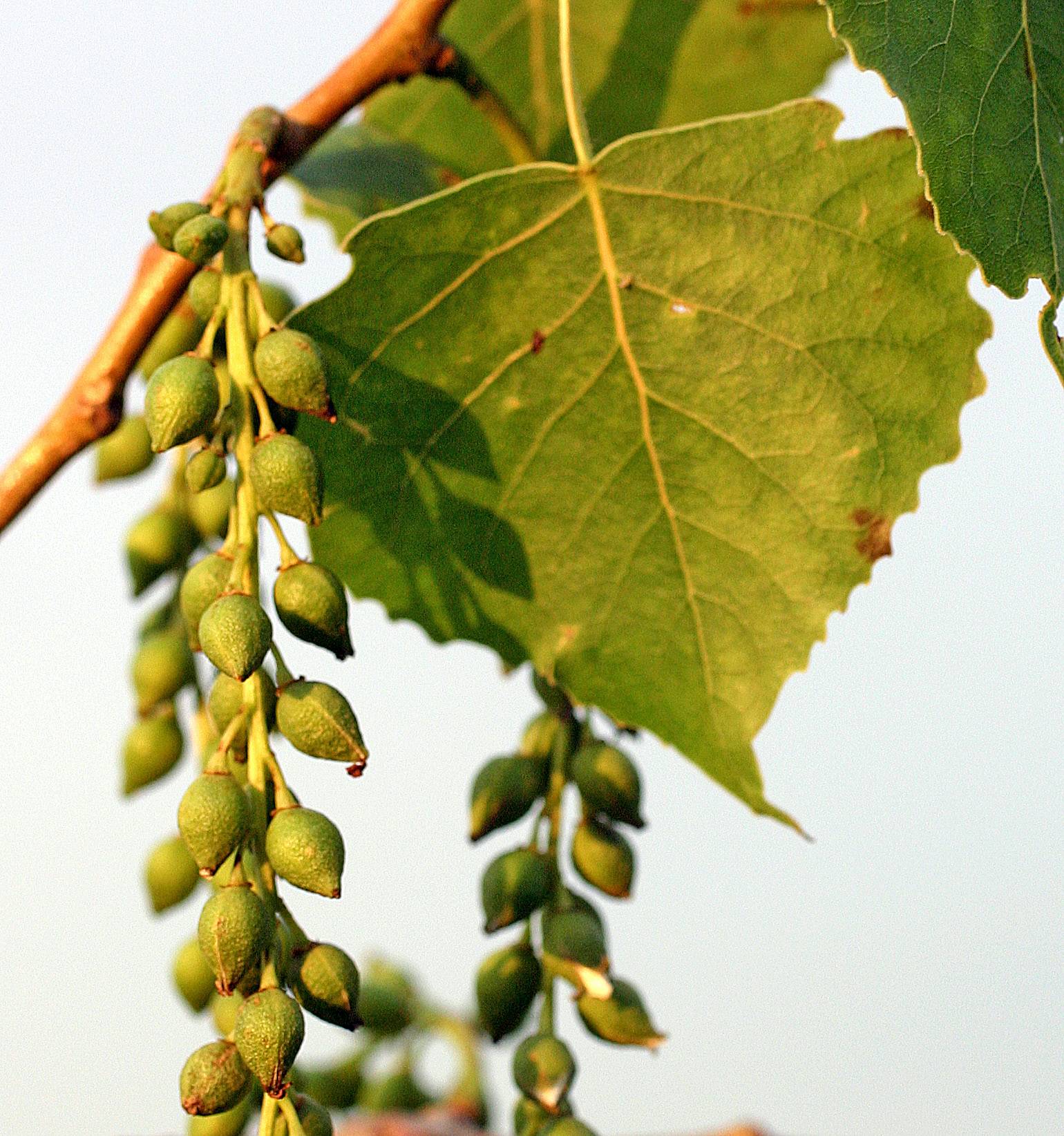
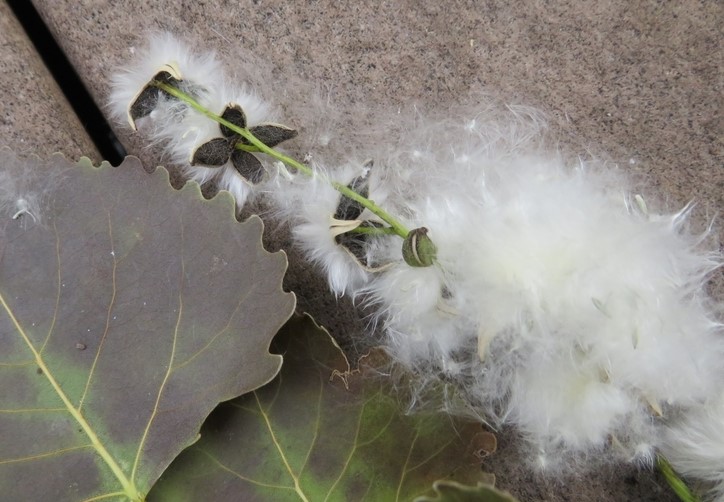
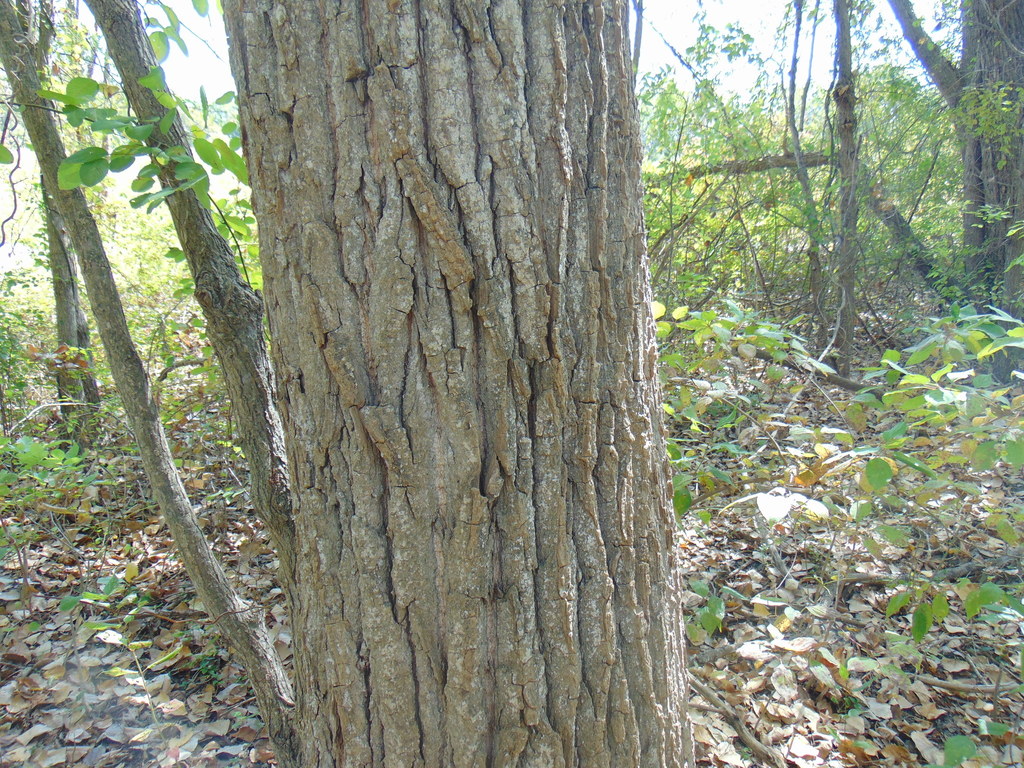
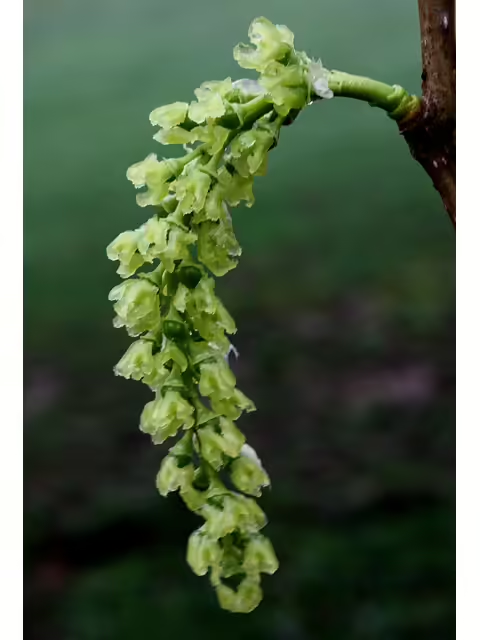
Blooms February-April. A large-canopied tree with upright, stout limbs, that arch at the tips, creating a vase-shape outline. The bark is silvery-white, smooth or lightly fissured when young, becoming dark gray and deeply fissured on older trees. Male and female flowers are produced on separate trees before leaves emerge. Female trees produce tiny flowers, on hanging catkins, that then mature into green capsules that release seeds with tufts of cottony hairs. The male pollen catkins are reddish-purple. Larval host: Morning Cloak, Viceroy, and Great Purple Hairstreak.
Material Treatment Method Collection References
Semi-harwood Cutting Plant directly into soil immediately, leaving 2-3 nodes above the soil line. Growth hormones can be used to aid in rooting. Ensure the area is well irrigated to allow for ample rooting which takes 3 to 6 weeks. Another method is to plant cuttings in a potting mixture, keeping the soil moist and in indirect sunlight until roots develop. Leaves will begin to emerge when trees normally break dormancy. Collect 8-12” length cuttings from established trees either in late fall before dormancy, or in late winter just before breaking dormancy. Use newer branches with multiple nodes, remove any leaves. 1) https://courses.washington.edu/esrm412/protocols/2022/PODE3.pdf 2) 2) https://hort.ifas.ufl.edu/database/lppi/sp292.shtml 3) https://plantiary.com/plant/populus-deltoides_3795.html
Seed No Treatment Sow the seeds in a seed tray containing a well-draining soil mixture. Keep the soil moist, and the seeds should germinate within 2-3 weeks. Collect mature seeds from the parent plant (not from the ground) and soak them in water for 24 hours. https://plantiary.com/plant/populus-deltoides_3795.html
Seed No Treatment Place open catkins and seeds in a bucket of water for one to two weeks and change water every other day, and as soon as seedlings appear, press catkins with seeds in a moist sphagnum peat moss in flats, but do not cover and keep under intermittent mist. Collect partially opened catkins from trees and avoid collecting catkins that have been on the ground for several days. Place catkins in a closed brown bag in room temperature, until almost 100% of catkins open. https://npn.rngr.net/renderNPNProtocolDetails?selectedProtocolIds=salicaceae-populus-495
Seed Stratification Distribute seeds on moist silt, sand, or fine gravel in full sunlight. Seeds will germinate within 5 days. The fragile seedling grows slowly for about 3 weeks and then should be moved to full sunlight for a substantial part of each day, as it is not shade tolerant. Seed dispersal occurs from May through mid-July. Viability improves if the seeds are air-dried before storage. Cottonwood seed should always be stored at below freezing temperature, even for short-term storage. 1) https://courses.washington.edu/esrm412/protocols/2022/PODE3.pdf 2) https://hort.ifas.ufl.edu/database/lppi/sp292.shtml
Root Cutting Plant cuttings in a potting mixture, keeping the soil moist and in indirect sunlight until roots develop. Take a 1-2 inch section of the root from an established plant. https://plantiary.com/plant/populus-deltoides_3795.html

About the Region

Fall Symposium 2025 Logo - Teach for the Future

Salado, the location of our Fall 2025 Symposium, lies at the intersection of two ecoregions: the Edwards Plateau (Limestone Cut Plain) and Blackland Prairie (Northern Blackland Prairie).

The Edwards Plateau area is also called the Hill Country; however, this general term covers a much larger area extending farther north. Spring-fed creeks are found throughout the region; deep limestone canyons, rivers, and lakes (reservoirs) are common. Ashe juniper is perhaps the most common woody species found throughout the region. Additional woody species include various species of oak, with live oak (Quercus fusiformis) being the most common. Sycamores (Platanus occidentalis) and bald cypress (Taxodium distichum) border waterways. This area is well known for its spring wildflower displays, though they may be viewed in spring, late summer, and fall, as well. According to Texas Parks and Wildlife, average annual rainfall in the Edwards Plateau ranges from 15 to 34 inches.

The Blackland Prairie extends from the Red River south to San Antonio, bordered on the west by the Edwards Plateau and the Cross Timbers, and on the east by the Post Oak Savannah. Annual rainfall averages 30 to 40 inches, with higher averages to the east. This region is dominated by prairie species. The most common grass species include little bluestem (Schizachyrium scoparium) and Indian grass (Sorghastrum nutans) in the uplands and switchgrass (Panicum virgatum) in the riparian areas and drainages. Common herbaceous flowering plants include salvias, penstemons, and silphiums. This area has suffered greatly from overgrazing and agricultural use. Few intact areas remain, though many of the plants can be found along county roadsides throughout the region.

Our fall Symposium host chapter, the Tonkawa Chapter, includes both of these ecoregions.

Source: Wildflowers of Texas by Michael Eason