

Seep Muhly

Muhlenbergia reverchonii

Other common name(s):

Family:

Poaceae (Grass Family)

Plant Ecoregion Distribution Map

This map uses data from the US EPA. EPA  servers have been offline frequently so maps may not display. We are working on a solution.

Chihuahuan Deserts, Cross Timbers, Edwards Plateau, Texas Blackland Prairies
Stockton Plateau
Limestone Cut Plain
Balcones Canyonlands, Edwards Plateau Woodland, Llano Uplift
Floodplains and Low Terraces1, Northern Blackland Prairie

Plant Characteristics

Growth Form

Grass & Sedge

Height

1
to
3
ft.

Spread

2
to
3
ft.

Leaf Retention

Deciduous

Lifespan

Perennial

Habitat and Care Requirements

Soil Type(s)

Loam, Clay, Gravelly, Limestone, Caliche, Moist, Dry

Light Requirement

Sun

Water Requirement

Medium

Native Habitat

Grassland

Bloom and Attraction

Bloom Color

White, Pink, Brown

Bloom Season

Summer, Fall

Seasonal Interest

Seeds, Nectar, Pollen, Larval Host

Wildlife Benefit

Butterflies, Birds, Small Mammals, Moths

Maintenance

Native to limestone grasslands. Good for prairie restorations within its range. Makes a wonderful plant for a meadow, especially if there is a little bit of moisture such as a seep. Propagation: seed.

Comments

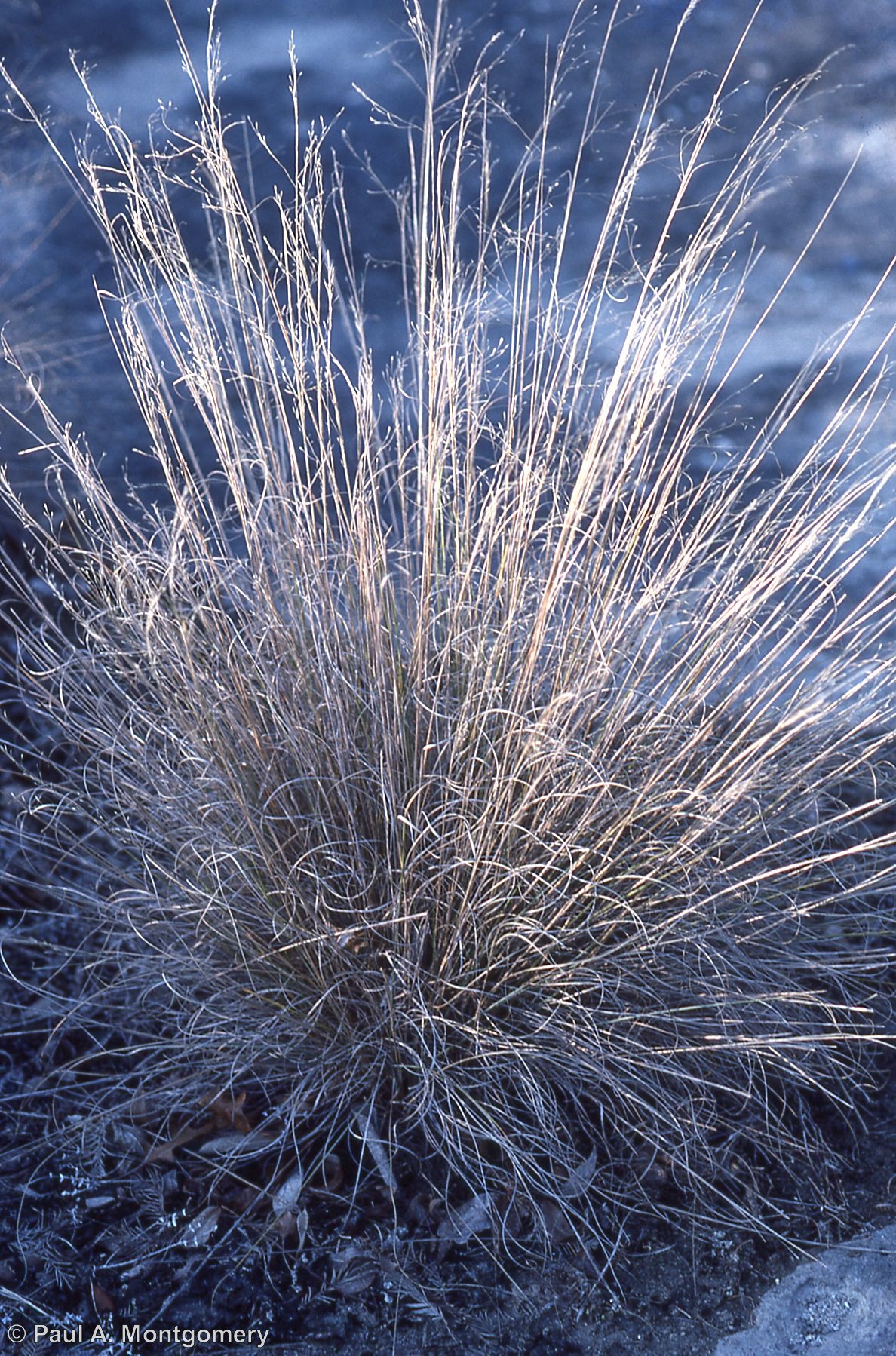
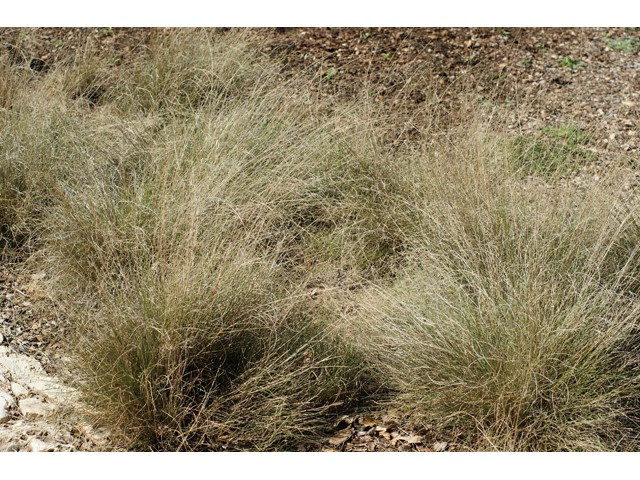
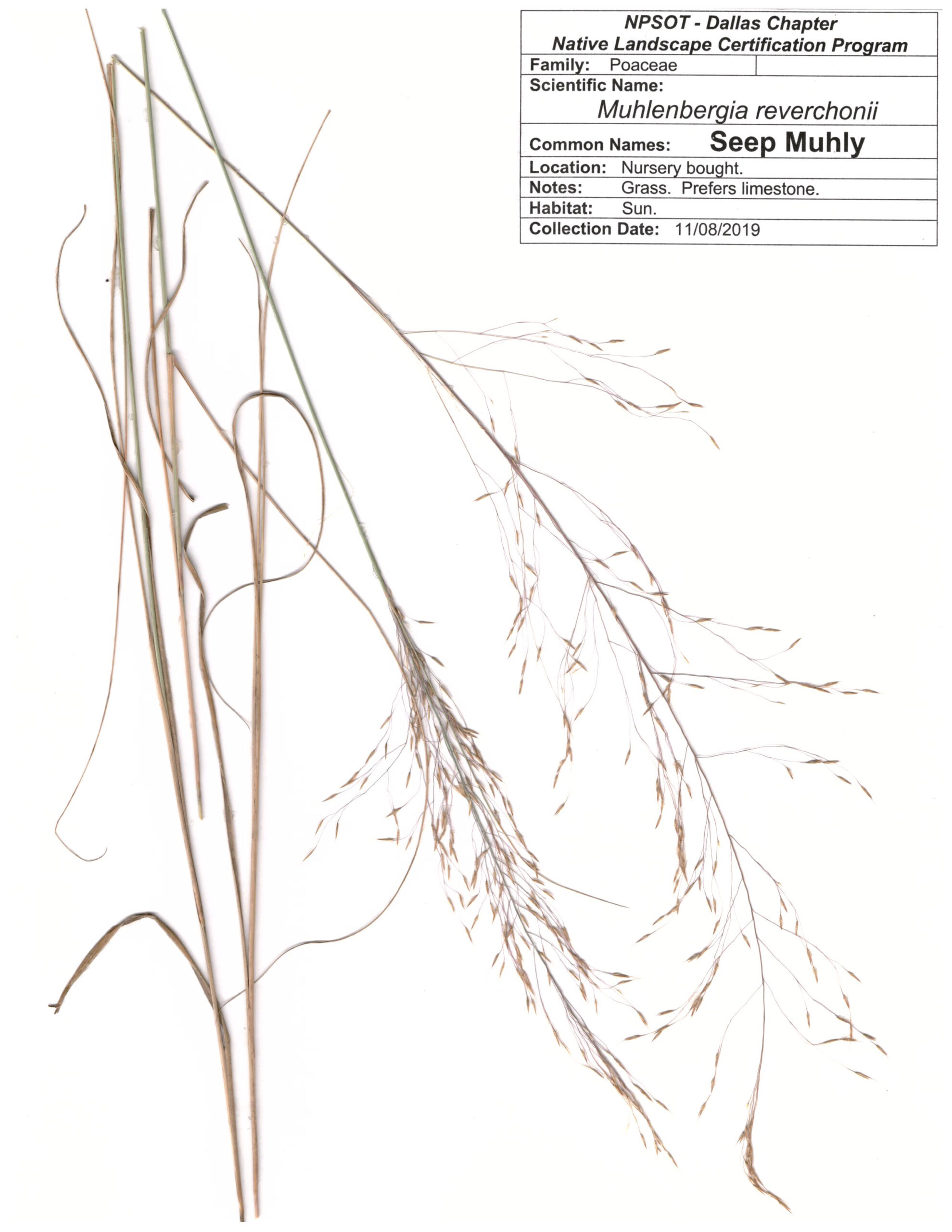
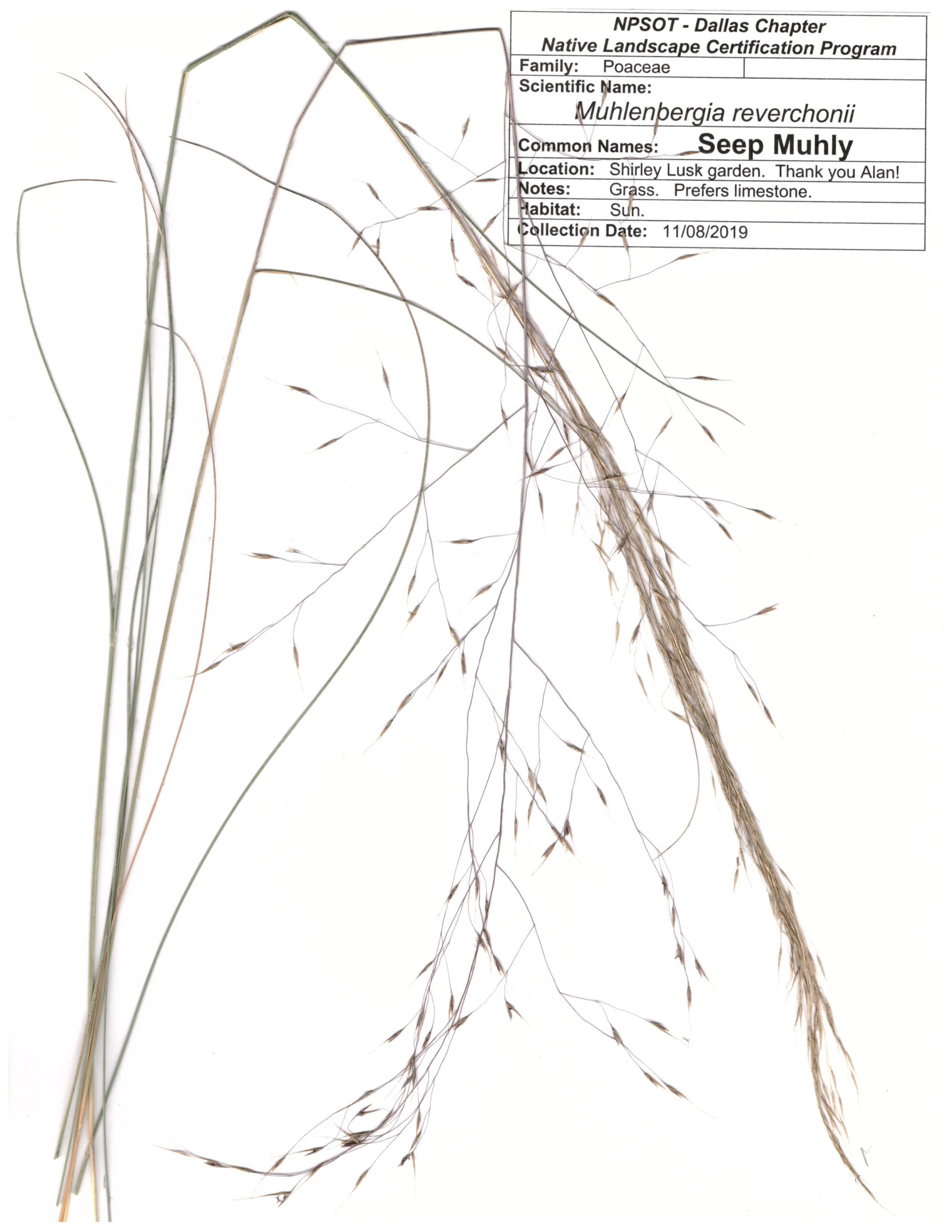
Blooms August-November. A warm-season grass. Forms dense clumps of slender stems and foliage. Its most distinctive trait is the curly mass of old leaf blades that accumulate at the base of the grass as it ages. The seed head is delicate, purplish and branching. Seep Muhly is sometimes said to resemble a less pink, inland limestone version of Gulf muhly (Muhlenbergia capillaris). Hybridizes naturally with the much larger Muhlenbergia lindheimeri to form Muhlenbergia x involuta.
Material Treatment Method Collection References
Clump Division Examine the root system and identify natural divisions or sections. Use your hands, a sharp knife, or gardening tools to divide the clump into smaller sections. Each section should have its own roots and shoots or stems. Inspect the divided sections for damage, pests, or diseases and treat them as necessary. Prepare the planting site or containers for the divided sections. Ensure that the soil or potting mix is suitable for the plant's needs. Plant each division in its designated spot, ensuring the roots are adequately covered with soil or planting medium. After planting the divisions, water them thoroughly to promote root establishment. Provide regular care, including watering and sunlight, according to plant requirements. Monitor the divisions for any signs of stress or problems and address them accordingly. It is generally advisable to divide in the early spring or fall when the plant is not actively growing or flowering. This allows the divided sections to establish new roots before vigorous growth. Carefully dig up the entire plant, preserving the root system and minimizing damage to the plant. Use a garden fork or shovel to loosen the soil around the plant before lifting it out of the ground. Three or four blades supported by a root system is sufficient to start a new plant. 1) https://plantselect.org/wp-content/uploads/2020/03/Muhlenbergia-reverchonii-_Prop-Protocol.pdf 2) https://www.perenual.com/plant-propagation-methods/method/13
Seed Scarification Germinates best with a very light scarification. It is recommended that the seed be rubbed between a fine grain sandpaper to scar the seed coat, not completely remove. Prepare a suitable soil mix, such as potting soil or a seed tray filled with a seed-starting mix. Lightly cover the seeds with soil and gently firm the soil to ensure proper seed-to-soil contact. Provide adequate moisture, suitable temperature, and sufficient light. Once the seeds germinate and the seedlings emerge, provide regular watering, protection from pests and diseases, and adjust environmental conditions as needed to promote healthy growth. As the seedlings grow and develop, they will eventually outgrow their initial containers or seed trays. At this stage, they can be carefully transplanted into larger pots or directly into the ground, ensuring proper spacing and soil preparation. Greenouse conditions: M. reverchonii can tolerate temperature swings from 45F to 90F in pots and it has low water requirements. Garden conitions: M. reverchonii can tolerate a wide range of soils and temperatures including cold hardiness. Collect mature and healthy seeds from a parent plant. This can be done by harvesting seeds directly from the plant or by obtaining seeds from other sources such as seed catalogs or nurseries. Seed must be collected very ripe in order to be viable; check for a darker gray/brown embryo when deciding when to collect. In some climates, M. reverchonii will not bloom until late September-October; this may not provide enough time for fully-formed seed to develop. 1) https://plantselect.org/wp-content/uploads/2020/03/Muhlenbergia-reverchonii-_Prop-Protocol.pdf 2) https://www.perenual.com/plant-propagation-methods/method/32

About the Region

Fall Symposium 2025 Logo - Teach for the Future

Salado, the location of our Fall 2025 Symposium, lies at the intersection of two ecoregions: the Edwards Plateau (Limestone Cut Plain) and Blackland Prairie (Northern Blackland Prairie).

The Edwards Plateau area is also called the Hill Country; however, this general term covers a much larger area extending farther north. Spring-fed creeks are found throughout the region; deep limestone canyons, rivers, and lakes (reservoirs) are common. Ashe juniper is perhaps the most common woody species found throughout the region. Additional woody species include various species of oak, with live oak (Quercus fusiformis) being the most common. Sycamores (Platanus occidentalis) and bald cypress (Taxodium distichum) border waterways. This area is well known for its spring wildflower displays, though they may be viewed in spring, late summer, and fall, as well. According to Texas Parks and Wildlife, average annual rainfall in the Edwards Plateau ranges from 15 to 34 inches.

The Blackland Prairie extends from the Red River south to San Antonio, bordered on the west by the Edwards Plateau and the Cross Timbers, and on the east by the Post Oak Savannah. Annual rainfall averages 30 to 40 inches, with higher averages to the east. This region is dominated by prairie species. The most common grass species include little bluestem (Schizachyrium scoparium) and Indian grass (Sorghastrum nutans) in the uplands and switchgrass (Panicum virgatum) in the riparian areas and drainages. Common herbaceous flowering plants include salvias, penstemons, and silphiums. This area has suffered greatly from overgrazing and agricultural use. Few intact areas remain, though many of the plants can be found along county roadsides throughout the region.

Our fall Symposium host chapter, the Tonkawa Chapter, includes both of these ecoregions.

Source: Wildflowers of Texas by Michael Eason