

July 28, 2026 – 7:00pm
Arrive at 6:30pm to share or find native plants at the Native Plants for All table.
This will be a “hybrid” meeting, attend in-person or online.
- In person: The Gathering Center at the Urban Ecology Center at Phil Hardberger Park, 8400 NW Military Hwy
- Online: Please register in advance to attend via Zoom.
Presentation by Metha Haggard, Conservationist, NPSOT and Audubon Society member.
Whole and Wild – The Purpose of our Conservation Easement
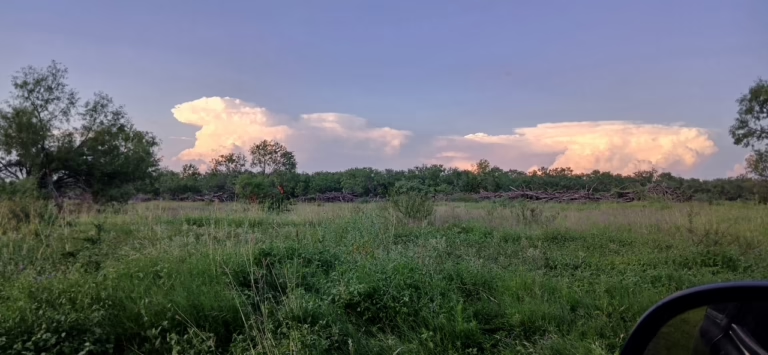
Metha Haggard has a story to tell about how her family has worked to put their 246-acre property into a Conservation Easement in 2020. As part of this ongoing journey they have worked to restore short grass prairie to the property, removed of hundreds of invasive Chinese Tallows, Chinaberries and Bradford Pears and created a “green cemetery” full of native Texas plants. Metha will share the progress over the years and tell us about the assistance she has received to realize the true meaning of stewardship on her property.
Metha graduated from Sul Ross University with a degree in chemistry. A varied carreer has spanned cake decorating to chemist at an explosive plant to air quality analyst for an environmental consulting firm. Since moving back to the area in 2000 Metha has been a member of the NPSOT and the local Audubon Society.
If you are attending in person, there is no need to register. However, if you are attending via Zoom, please register here before the meeting begins as late registration and entry will not be allowed. After registering, you will receive a confirmation email containing information about joining the meeting.
Note: The Zoom recording will be available within days after the meeting on our YouTube channel.
