The interrelationship of soil and microbes, fungi and plants.
Home » Speakers Bureau » Speakers Bureau » Soil – The Living Layer of Earth
The interrelationship of soil and microbes, fungi and plants.
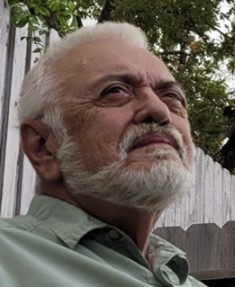
Writer and lecturer on native plants, water conservation, soil conservation, and organics. He grew up on a farm in South Louisiana and spent his time as a youth wandering through […]
Writer and lecturer on native plants, water conservation, soil conservation, and organics. He grew up on a farm in South Louisiana and spent his time as a youth wandering through pine forests, cypress swamps, and open fields, tending a small herd of cattle, bailing hay, milking, raising chickens and attending elementary school in a four-room schoolhouse. He spent six years in a Catholic seminary, receiving a classical education. In college, he worked in the oil fields to fund his education. He has been a journalist, an investment banker, and a political analyst. He has written hundreds of articles both online and in print. He maintains a website (gulfcoastgardening.com) in which he promotes organic gardening, native plants, soil culture, rainwater harvesting, drip irrigation and water conservation.
He also helped write and then administer The Woodlands Water Conservation Program, which helped reduce the per person water consumption in The Woodlands from 200 gallons per day to 91 gallons per day. As a result of that, his department was awarded the coveted Blue Legacy Award from the Texas Water Development Board. He was also named Outstanding Water Conservation Leader of the Year by the Gulf Coast Water Symposium, and educator of the year by the Montgomery County Master Gardeners. He helped promote, raise funds and was on the group to design and supervise the construction of two community gardens in The Woodlands.
He and his wife now live in Willis, Texas, where he writes and gardens. He gives about 100 presentations a year. Topics include: Backyard Composting; Container Gardening; Gardening Organically; Fall is the Time to Plant Spring-flowering Plants; Preparing Your Garden for Fall and Winter; Beautiful Native Plants, Butterflies, and Moths; Soil - The Living Layer of Earth; Insects - the Good, Bad, and Indifferent; The Future of Texas Water; Backyard Rainwater Harvesting; Drip Irrigation for Your Garden; Basics of Plant Taxonomy; Texas "Weeds"; and Waterwise Landscaping Trends.
Salado, the location of our Fall 2025 Symposium, lies at the intersection of two ecoregions: the Edwards Plateau (Limestone Cut Plain) and Blackland Prairie (Northern Blackland Prairie).
The Edwards Plateau area is also called the Hill Country; however, this general term covers a much larger area extending farther north. Spring-fed creeks are found throughout the region; deep limestone canyons, rivers, and lakes (reservoirs) are common. Ashe juniper is perhaps the most common woody species found throughout the region. Additional woody species include various species of oak, with live oak (Quercus fusiformis) being the most common. Sycamores (Platanus occidentalis) and bald cypress (Taxodium distichum) border waterways. This area is well known for its spring wildflower displays, though they may be viewed in spring, late summer, and fall, as well. According to Texas Parks and Wildlife, average annual rainfall in the Edwards Plateau ranges from 15 to 34 inches.
The Blackland Prairie extends from the Red River south to San Antonio, bordered on the west by the Edwards Plateau and the Cross Timbers, and on the east by the Post Oak Savannah. Annual rainfall averages 30 to 40 inches, with higher averages to the east. This region is dominated by prairie species. The most common grass species include little bluestem (Schizachyrium scoparium) and Indian grass (Sorghastrum nutans) in the uplands and switchgrass (Panicum virgatum) in the riparian areas and drainages. Common herbaceous flowering plants include salvias, penstemons, and silphiums. This area has suffered greatly from overgrazing and agricultural use. Few intact areas remain, though many of the plants can be found along county roadsides throughout the region.
Our fall Symposium host chapter, the Tonkawa Chapter, includes both of these ecoregions.
Source: Wildflowers of Texas by Michael Eason