
Tag: Native Plant Garden

Flyer outlining information concerning the proposed Patty Manning Pollinator Garden, its design and how to donate
Uncategorized

Patty Manning Pollinator Garden

The Big Bend Chapter of the Native Plant Society of Texas in conjunction with the Texas Master Naturalist Tierra Grande Chapter, Rio Grande Joint Venture

About

25 Native Plant Lessons from 25 Years of Experience

“There are hundreds of wonderful Texas natives in Texas, but trying to figure out which ones do the best in your particular area of Gillespie County, can take time,” noted Matt Kolodzie, owner of Friendly Natives Nursery. “I’m going to share with you what I’ve learned in the last 25 years so you can shorten your learning curve, be more successful faster, and save money.”

Chapter

View: Creating a Pollinator’s Garden

If you want to create a pollinator garden, but don’t know where to start, Holly Simonette, this month’s speaker at Native Plant Society of Texas (NPSOT) Fredericksburg Chapter, will share tips and resources for going from blank slate to recognized pollinator garden

N.I.C.E. for the season

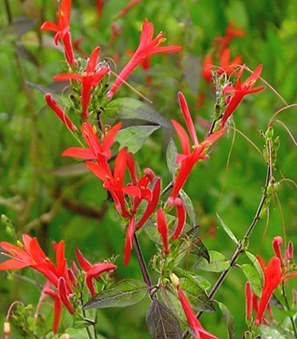
Flame Acanthus – a N.I.C.E. plant for a hot summer

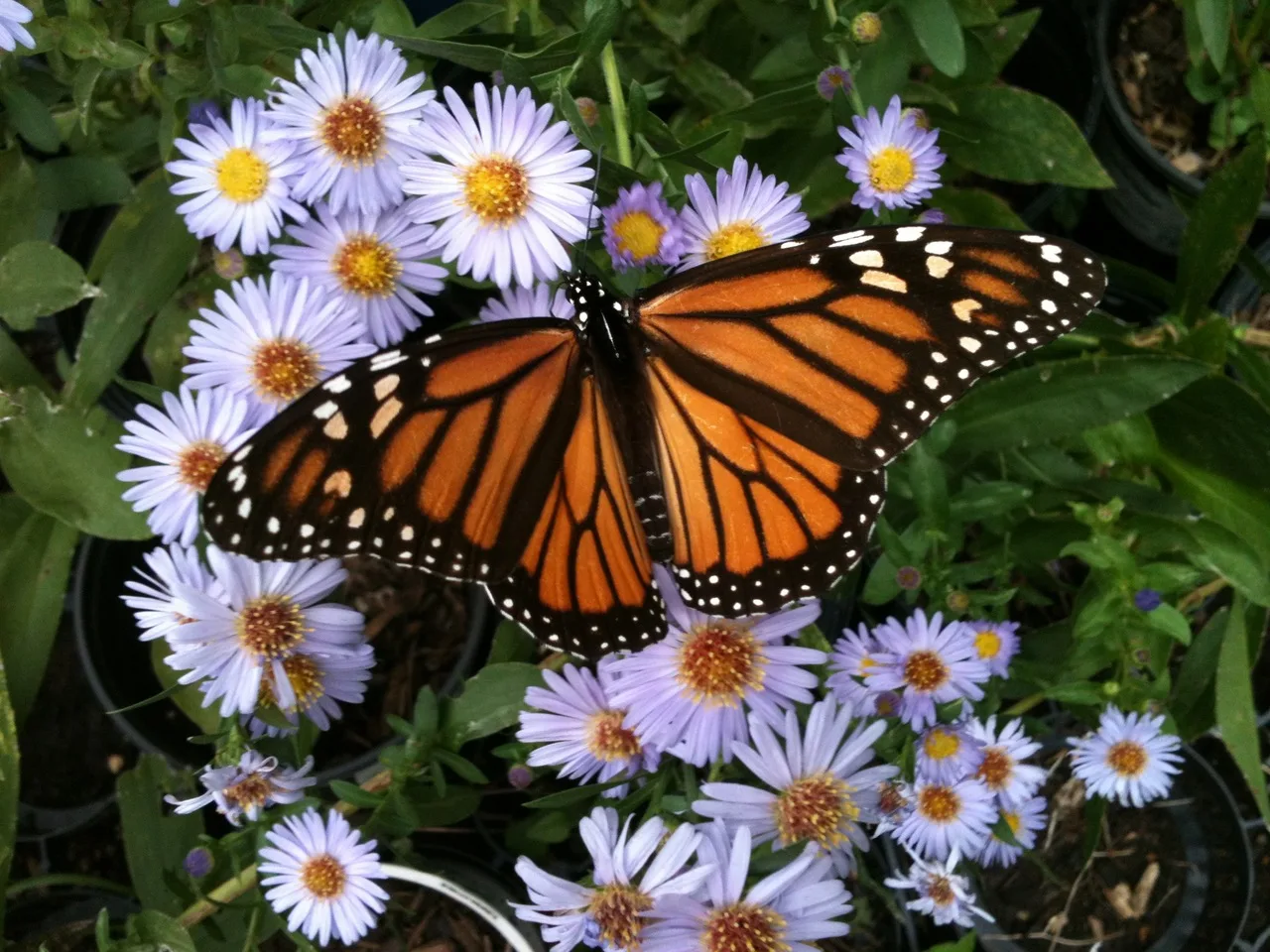
Flame Acanthus is one of the indestructible natives that regularly laugh at Texas summer heat and drought -actually blooming through the midst of it. It is even a favorite nectar plant of the Monarch butterfly during the worst of our summer heat. This summer it is a N.I.C.E. plant on the Edwards Plateau.

Calendar

Native Plants That Help Soak Up the Rain: May 28, 2024

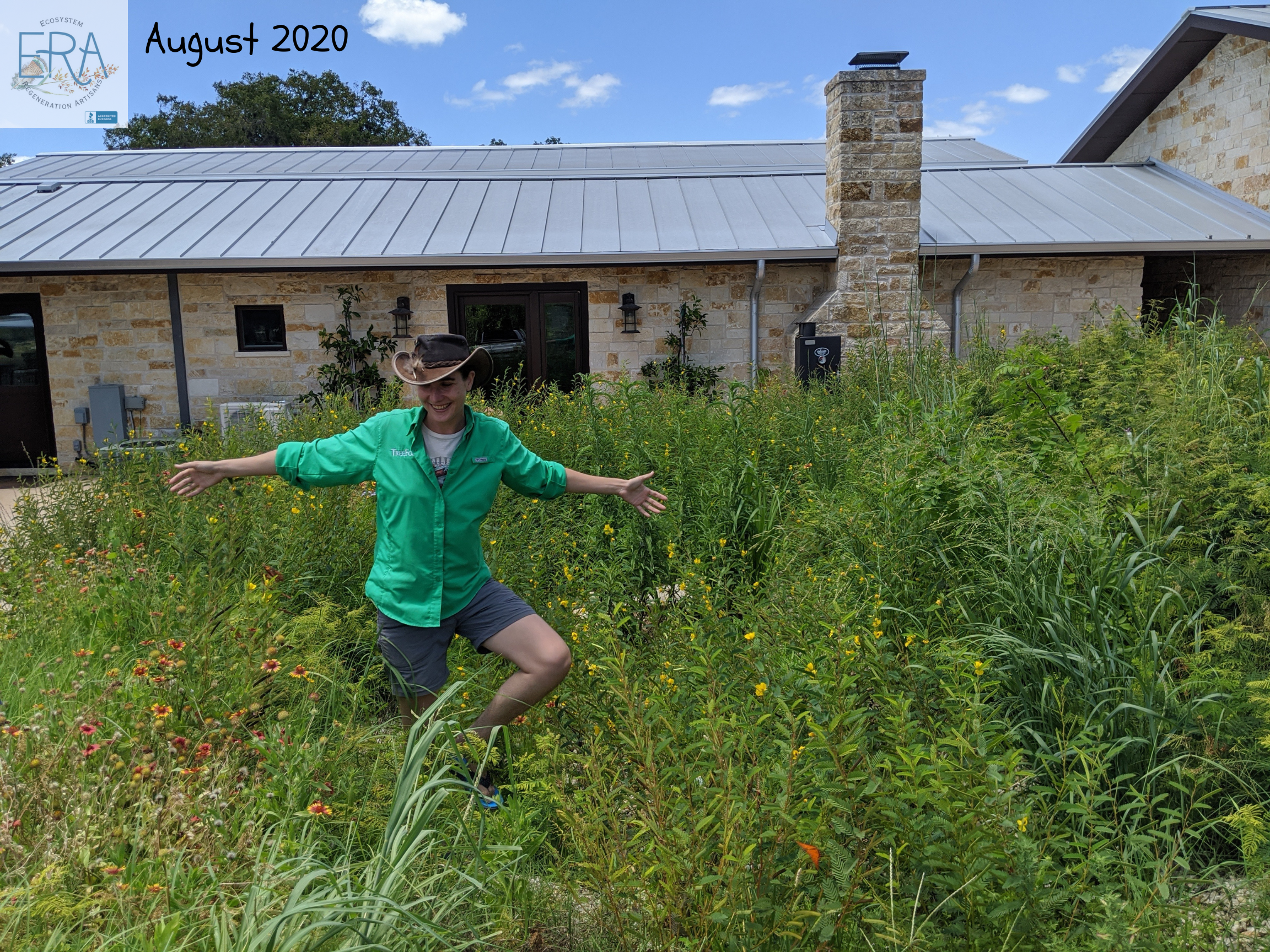
“It’s very exciting to see more people interested in revitalizing our Texas waterways and natural habitat by installing a rain garden in their small yards or larger properties,” said Shannon Brown, speaker at the May 28 Fredericksburg chapter NPSOT meeting and founder of Ecosystem Regeneration Artisans (ERA) Landscapes. “Rain gardens and native plant landscapes have different growing habits and care needs than traditional plants and lawns, and it’s important to plant the right natives so they’ll thrive and require less work.”

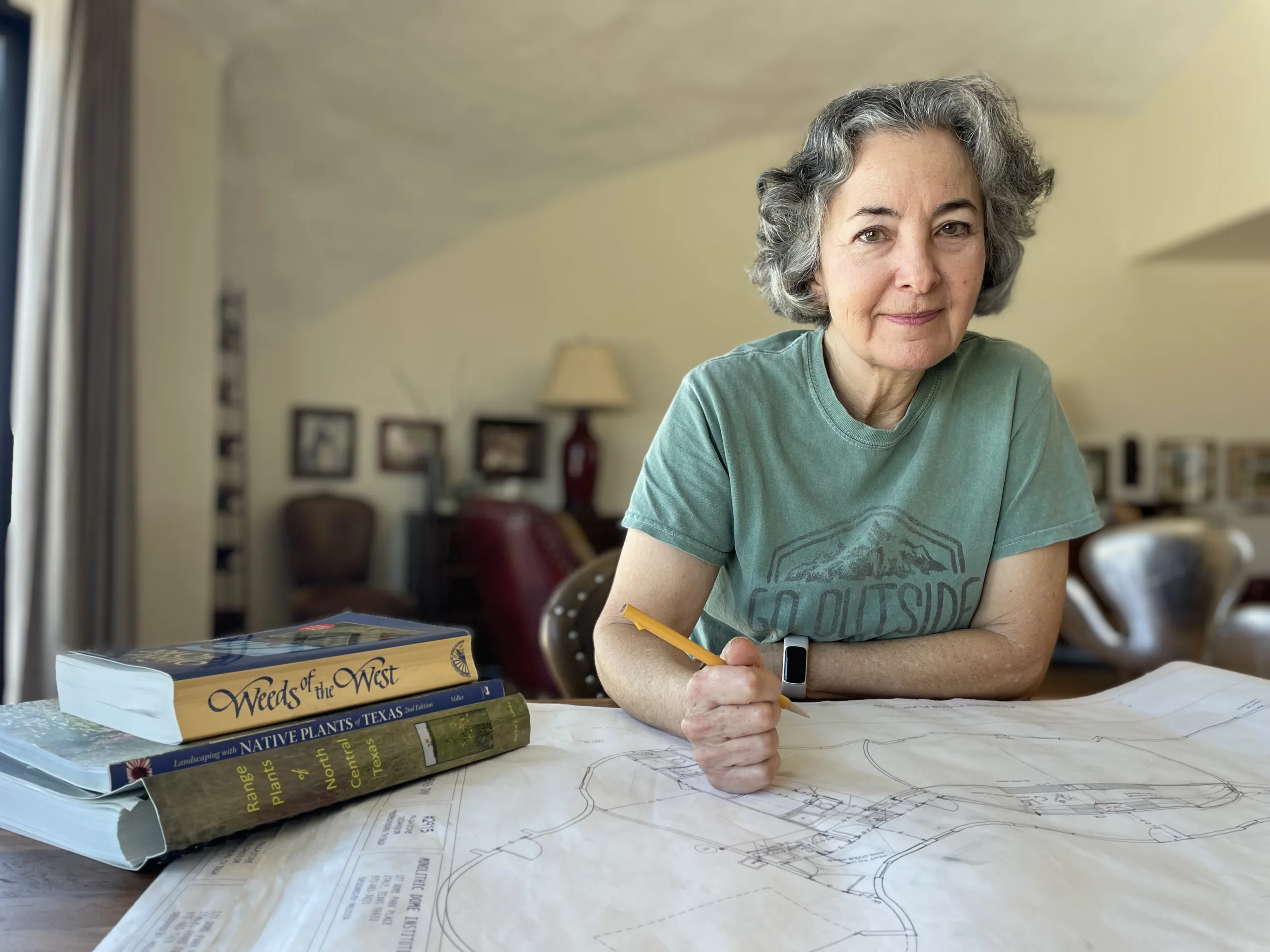
Paula Stone sitting at her design table with plans and books.
Chapter

April 23, “Get Real” Garden Design with Native Plants: View on YouTube

“I’ll show you practical ways to build gardens that will enhance your property and be less work as time goes by,” noted Paula Stone. “I once heard someone say that, ‘The gardening should get easier as the gardener gets older.’”

Paula Stone, Vice President of the Fredericksburg Chapter of the Native Plant Society of Texas, will share her extensive knowledge about landscape design using native Texas plants on April 23 from 6:30-8 p.m. at St. Joseph’s Halle, Fredericksburg.

About the Region

2026 Fall Symposium Logo

This low-elevations region of Texas extends inland from the barrier islands, about 60 or so miles, and stretches from Brownsville to Louisiana. In total, it covers about 9.5 million acres, with a high point of 150 feet in elevation. More than 1000 species of plants can be found in this region. On the southern end, species more common in Mexico (such as Sabal mexicana) and Central America occur.

The barrier islands provide us with dune systems, and clay flats to the inland side, which have species found in these areas alone. Many plants here, such as Ipomoea pes-caprae (beach morning glory), can be found throughout tropical regions of the globe. I’ve encountered the same species on the beaches of Guam.

Once inland, vast marshes and wet prairies occur. Occasionally, oak (Quercus fusiformis) groves can be found. Common grasses include species of Bothriochloa, Paspalum, and Sporobolus; eastern gamagrass (Tripsacum dactyloides); and switchgrass (Panicum species). Many rivers and creeks cut through the Gulf Prairies, and along these riparian areas various species of trees, Sabal minor, and other plants adapted to clay soils can be found. Due to overgrazing, farming, and fire suppression, woody species such as mesquite (Prosopis glandulosa) and huisache (Acacia farnesiana), and invasive species such as chinaberry (Melia azedarach), Brazilian pepper (Schinus terebinthifolius), and Chinese tallow (Sapium sebiferum) have increased and displaced our native flora.

Source: Wildflowers of Texas by Michael Eason