Lauren Simpson
Since early 2015, Lauren Simpson has spent her spare time transforming her Houston home gardens into a pollinator-friendly habitat, currently a Certified Wildlife Habitat (National Wildlife Federation), a Monarch Waystation
Laurie Dixon
Laurie is a landscape design consultant with a strong focus on ecological principles and the founder of Biotic Lens, a consultancy dedicated to soil microscopy education and applications. She combines
Lennard Nadalo
Lennard A. Nadalo, MD has a long-standing interest in Ecology, as seen in the survival of millions of plants, animals, and insects during the ongoing climate change. He holds a
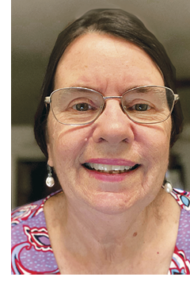
Lindsey Schell
Lindsey has 25 years of experience gardening and landscaping in Central Texas.Like many Austinites, she transplanted to the region from somewhere else and soonrealized that what worked there….may not be
Lonnie Childs
Lonnie Childs enjoyed a 30-year career as a manufacturing and supply chain executive capped by a stint leading his own management consulting firm. In 2001, he semi-retired to the Fredericksburg
Martha Whitehouse
Martha has been an avid organic gardener and gardening educator since she planted her first garden in 1985. She is a member of The Native Plant Society of Texas, North
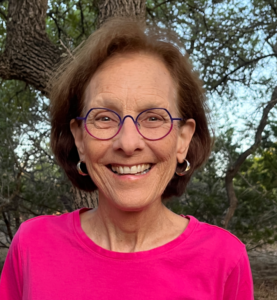
Meg Inglis
In 2021 Meg Inglis was delighted to accept the position of the Native Plant Society of Texas (NPSOT) Executive Director. Prior to that, she coordinated NPSOT’s Native Landscape Certification Program
Mike McGee
Mike has a lifelong interest in nature and gardening and currently volunteers with the Native Committee at Mercer Botanic Gardens in Houston. He’s a member of his local chapters of
Natasia Moore
Natasia Moore received her Bachelor’s degree in Natural Resources Management and a Master’s degree in Wildlife, Aquatics, and Wildland Science and Management from Texas Tech University. She is currently an
Patrick Smith
Pat Smith has 13 years of experience developing and operating nonprofit centers and social purpose real estate, from housing projects to museums to community gardens. He has worked with local
Pauline Singleton
Pauline is a retired pharmacist and a long time member of the NPSOT, NPAT, and Texas Master Naturalists. She has served as President of Watson Preserve since 2012.
Peter Loos
Originally from NY have been in Texas almost all my adult life having come to Texas after serving in the US Army. Received BS and MS degrees at Stephen F
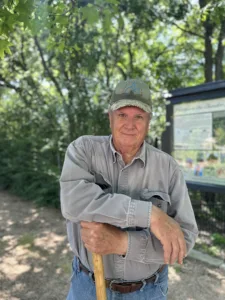
Ricky Linex
Ricky Linex retired in 2021 as a wildlife biologist for the Natural Resources Conservation Service and now works as a range and wildlife consultant. With NRCS, Linex worked 52 counties
Roger Sanderson
Roger was Director of Horticulture at the Texas Discovery Gardens for over 7 years and was the Director of Botanical Gardens /Wildlife Biologist at the Heard Natural Science Museum for