

Prairie Rose

Rosa arkansana

Other common name(s):

Arkansas Rose

Family:

Rosaceae (Rose Family)

Plant Ecoregion Distribution Map

This map uses data from the US EPA. EPA  servers have been offline frequently so maps may not display. We are working on a solution.

Cross Timbers, High Plains
Western Cross Timbers
Canadian/Cimarron High Plains

Plant Characteristics

Growth Form

Shrub

Height

1
to
3
ft.

Spread

1
to
3
ft.

Leaf Retention

Deciduous

Lifespan

Perennial

Habitat and Care Requirements

Soil Type(s)

Sand, Loam, Gravelly, Dry

Light Requirement

Sun, Part Shade

Water Requirement

Low

Native Habitat

Grassland

Bloom and Attraction

Bloom Color

Pink

Bloom Season

Spring, Summer

Seasonal Interest

Fruit, Fall Color, Nectar, Pollen, Flowers

Wildlife Benefit

Butterflies, Birds, Bees

Maintenance

Very hardy low shrub. Disease and insect resistant. The most drought tolerant of the Texas rose species. Thicket forming, especially in sun, so it won’t fit into small spaces. Good for erosion control. Foliage turns orange in the fall. Most plants do not flower and produce seed until their second or third year of growth. Mature Rosa, Propagation: seed.

Comments

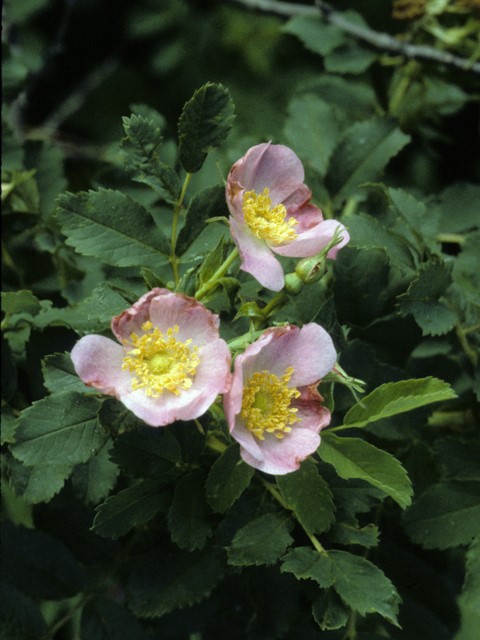
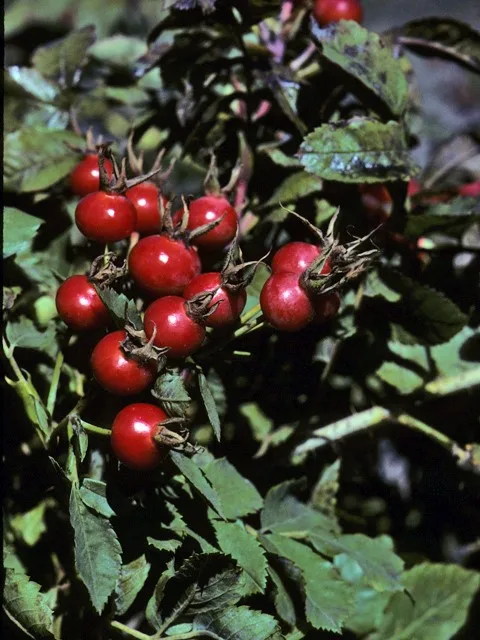
Blooms May-September. Low, suckering growth from. Small clusters of white to deep pink, five-petaled flowers, occur on densely prickly stems. Leaves are compound, divided into 7-11 small, serrated leaflets. The red fruit (rose hips) remains on the plant into the fall and winter.
Material Treatment Method Collection References
Seed Stratification Extract seeds and subject them to cold stratification to enhance germination rates. Sow stratified seeds in a well-draining soil mix, ensuring they receive adequate sunlight. Collect the hips after flowering and allow them to dry. https://www.picturethisai.com/care/Rosa_arkansana.html#:~:text=Prairie%20rose%20is%20a%20hardy,shape%20and%20promote%20healthier%20growth.
Stem Cutting Remove leaves from the lower half of each cutting to expose the nodes. Dip the cut end into a rooting hormone to enhance root development and prevent fungal infection. Fill a pot with a sterile, well-draining potting mix. Insert the cuttings about 2 inches deep into the soil, ensuring at least two nodes are buried. Water gently to settle the soil around the cuttings. Cover the pot with a plastic bag or place it in a propagator to maintain high humidity and warmth. Ensure the setup allows for some ventilation to prevent mold growth. eep the soil moist but not waterlogged. Once the cuttings have rooted, which typically takes a few weeks, gradually acclimatize them to ambient conditions. Transplant the rooted cuttings to individual pots or directly into the garden. Choose healthy, non-flowering stems from the current or previous year's growth of prairie rose. Each cutting should be about 6-8 inches long and include several sets of leaves. https://www.picturethisai.com/care/propagate/Rosa_arkansana.html
Seed Scarification To soften the hard coating on these prairie rose seeds, rub them lightly with sandpaper or soak them in 180 degrees F water overnight. Mix the seeds with moist sand and store in the refrigerator for 4 months before planting. Sow the Rosa Arkansana seed in early spring, planting 1/2" deep. Keep the soil lightly moist until germination, which is notoriously slow and irregular. Some seeds may not sprout until the next year. Near the end of the season, remove the rose hips and split them open to remove the seed. Separate the seeds from the plant material and spread them out to dry. Store the prairie rose seeds in a cool, dry place. https://www.everwilde.com/store/Rosa-arkansana-WildFlower-Seed.html

About the Region

Fall Symposium 2025 Logo - Teach for the Future

Salado, the location of our Fall 2025 Symposium, lies at the intersection of two ecoregions: the Edwards Plateau (Limestone Cut Plain) and Blackland Prairie (Northern Blackland Prairie).

The Edwards Plateau area is also called the Hill Country; however, this general term covers a much larger area extending farther north. Spring-fed creeks are found throughout the region; deep limestone canyons, rivers, and lakes (reservoirs) are common. Ashe juniper is perhaps the most common woody species found throughout the region. Additional woody species include various species of oak, with live oak (Quercus fusiformis) being the most common. Sycamores (Platanus occidentalis) and bald cypress (Taxodium distichum) border waterways. This area is well known for its spring wildflower displays, though they may be viewed in spring, late summer, and fall, as well. According to Texas Parks and Wildlife, average annual rainfall in the Edwards Plateau ranges from 15 to 34 inches.

The Blackland Prairie extends from the Red River south to San Antonio, bordered on the west by the Edwards Plateau and the Cross Timbers, and on the east by the Post Oak Savannah. Annual rainfall averages 30 to 40 inches, with higher averages to the east. This region is dominated by prairie species. The most common grass species include little bluestem (Schizachyrium scoparium) and Indian grass (Sorghastrum nutans) in the uplands and switchgrass (Panicum virgatum) in the riparian areas and drainages. Common herbaceous flowering plants include salvias, penstemons, and silphiums. This area has suffered greatly from overgrazing and agricultural use. Few intact areas remain, though many of the plants can be found along county roadsides throughout the region.

Our fall Symposium host chapter, the Tonkawa Chapter, includes both of these ecoregions.

Source: Wildflowers of Texas by Michael Eason