Our fall plant sale is happening October 20 and 21 on the UHCL campus! Here’s everything you need to know.
Bring your wagon or cart if you have one. Credit cards and cash accepted.
Schedule
| Tree & Shrub Pre-order: August 26 – September 5 | |
| Closed | Tree & shrub pre-order pick up at the plant sale, Oct 20 & 21. |
| Plant Sale: Friday, October 20 | |
| 4 – 6 p.m. | Plant sale open to the public. Pre-order pick up. |
| Plant Sale: Saturday, October 21 | |
| 8 – 10 a.m. | Plant sale open to the public. Pre-order pick up. |
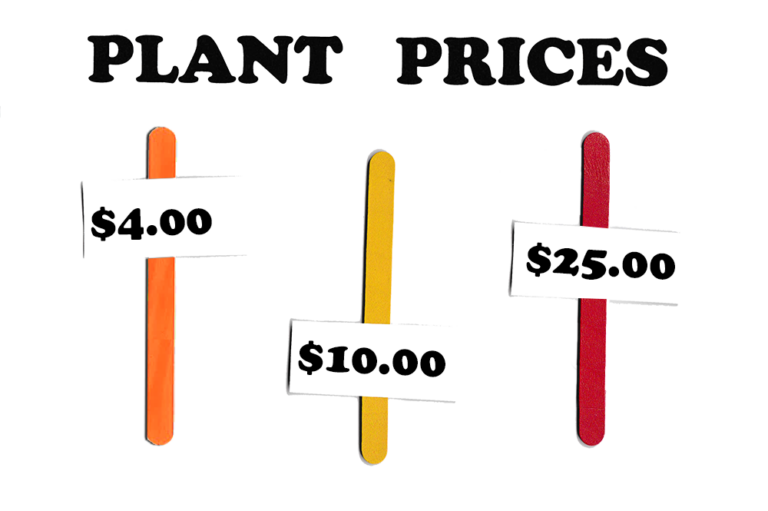
Plant Prices
Prices vary. Look for these signs throughout the sale for pricing information.
Yard Signs
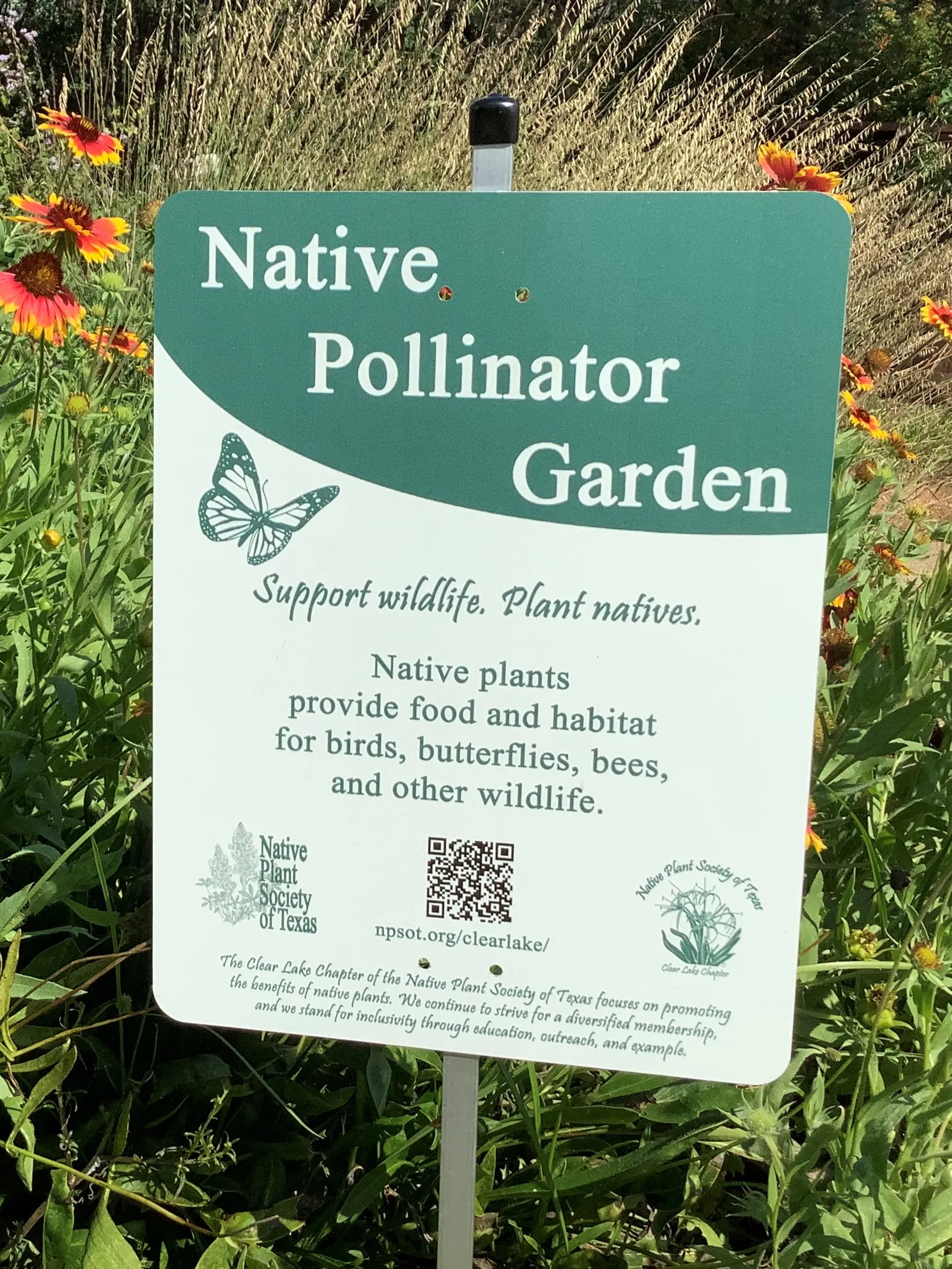
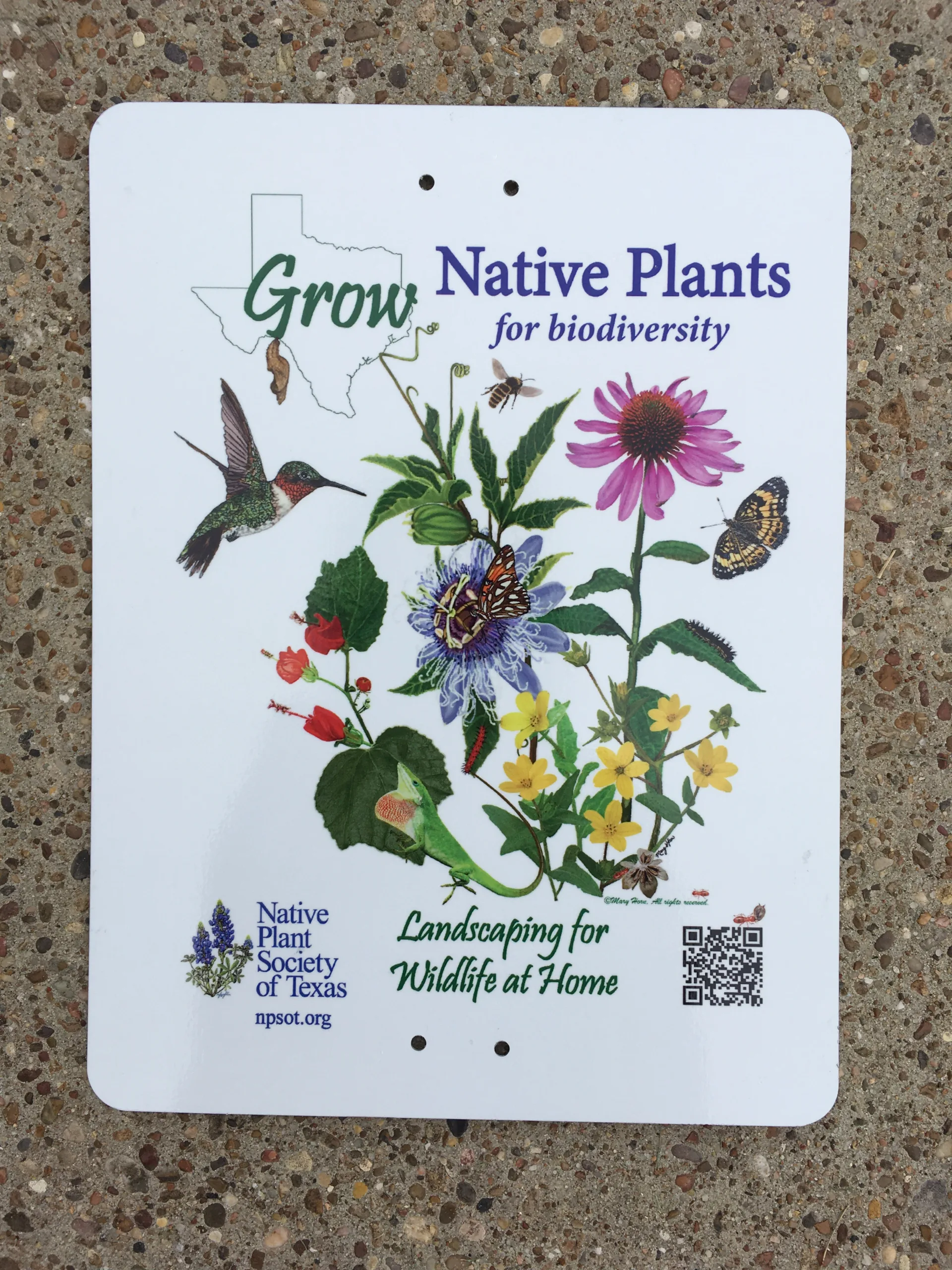
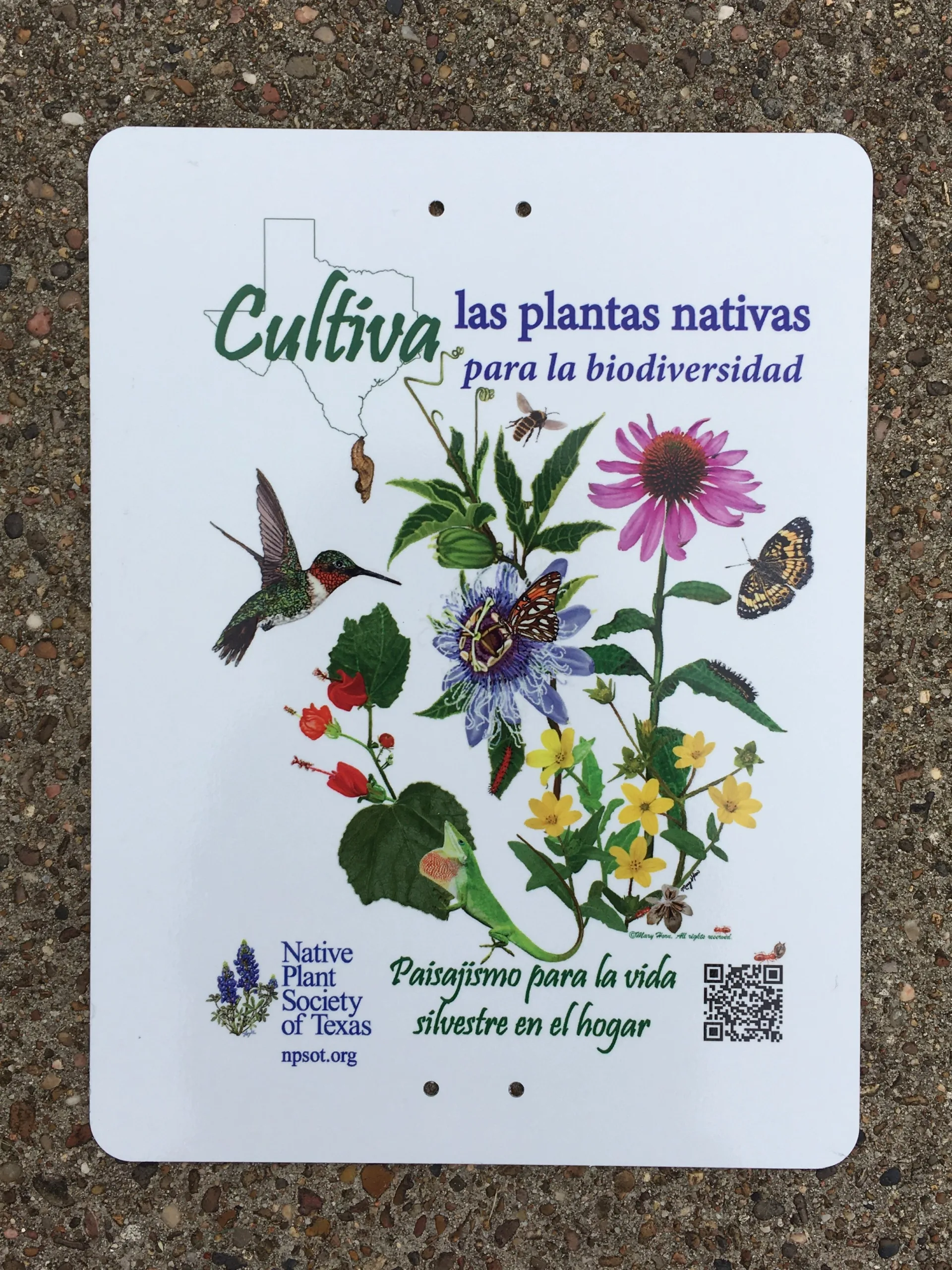
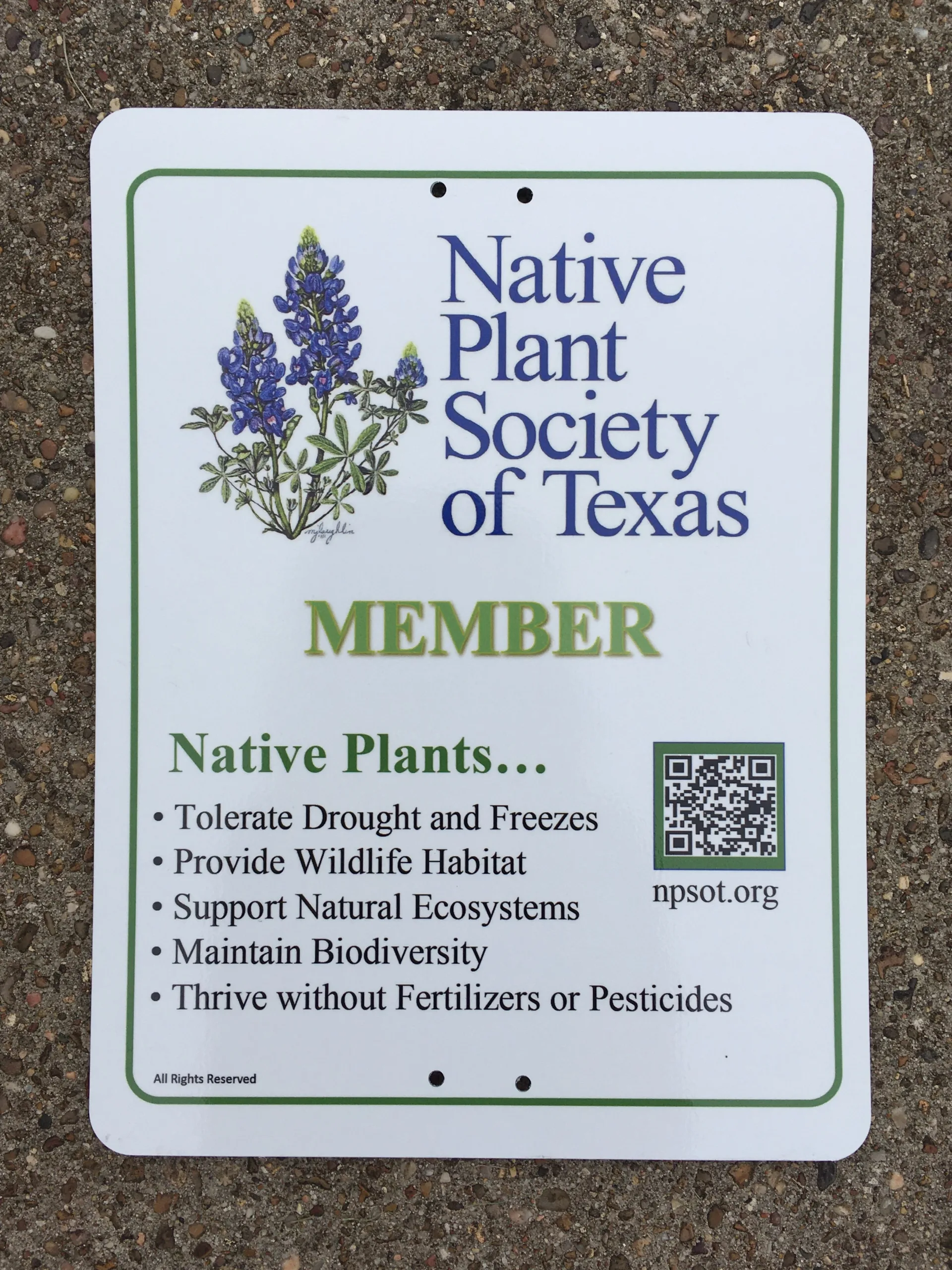
Spruce up your garden with a yard sign! Choose from our original Native Pollinator Garden sign, which comes complete with a stake for just $25. Or opt for one of our new 2023 designs—“Grow Native Plants For Biodiversity” available in English and Spanish, or proudly display your membership in the Native Plant Society in either language. These new signs are priced at $20 each and are a fantastic way to showcase your commitment to native plants and pollinators.
Location
EIH is located on the UHCL campus at 2700 Bay Area Blvd. Enter Entrance 2, take a left on Bayou Rd., and follow the signs to the NOA 1 Bldg. Or use Entrance 3 on Middlebrook Dr. and take a right into parking lot D4.
PDF CAMPUS MAP | BIRDSEYE VIEW MAP
Get directions on Google Maps: bit.ly/getdirectionstoeih
Ask the Expert
We’ll have experts on hand to answer your questions about native plants.
5 Tips to Love Your Native Plants from the Start
Fall Plant Sale Flyer – Please share and post to community bulletin boards.