Pines and Prairies Chapter

Welcome!

Pines and Prairies Chapter of the Native Plant Society of Texas serves the residents of Montgomery County and the nearby counties of Walker and Grimes. 

Chapter News

Work and Learn Opportunities

    • Weekly at Jesse H.  Jones Nature Center,  20634 Kenswick Dr, Humble, TX, on Wednesdays, 9am to noon
    • Weekly at the Mercer Society propagation workroom, Hirschfield Rd nursery, on Wednesdays, 9am to 11am
    • Weekly at New World Botanical, 2701 Lone Star Parkway, on Thursdays, 9:30am to noon

Upcoming Events - sign up for outreach volunteer opportunities marked by 📝

About Pines and Prairies Chapter

Formed in December 2020, the Pines and Prairies Chapter was approved by the State Board of the Native Plant Society of Texas on January 23, 2021. The Chapter serves the residents of Montgomery County, Texas, and the nearby Walker and Grimes counties. Charter Members are Carol Childres, Kim Cox, Bob Dailey, Aram Derewetzky, Don Dubois, Kathie Herrick, Carolyn Langlinais, David Lemons, Teri MacArthur, Gail McConnell, Mike McGee, Paul Nelson, Martin Simonton, Carson Stokes, and Anita Tiller. Carolyn Langlinais, President of Heartwood Chapter, Texas Master Naturalists, wrote a letter in support of forming a new Native Plant Society of Texas chapter. John Ferguson, owner of Nature’s Way Resources, sponsored the chapter’s formation.

Officers, Directors, and Botanical Advisors

  • Seven elected positions form the Board of Directors: President, Vice-President and Program Chairperson, Treasurer, Secretary, and three At-Large Directors. We need additional volunteers to be on the Board; email PinesandPrairies-chapter@npsot.org.
  • Botanical Advisors, native plant specialists by training and experience, review all botanical resources and Chapter promotional materials and assist with training opportunities.

President

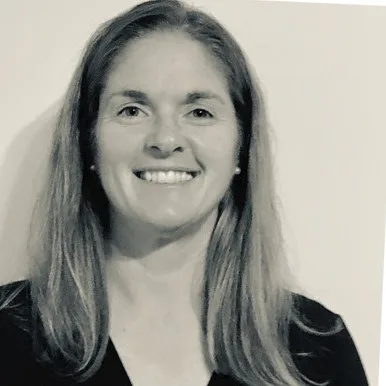
A Montgomery City resident since 2010, Amy Birdwell joined the Society in 2022 to connect with other native plant champions.
Mimi Posey

Secretary

Mimi Posey’s interest in native plants began years ago with xeriscape gardening in Denver.  She moved to Houston in 2008

Treasurer

Anne Blount earned her B.S. in Food Science way back in the 70s, and passed the CPA exam in Louisiana
Director at Large

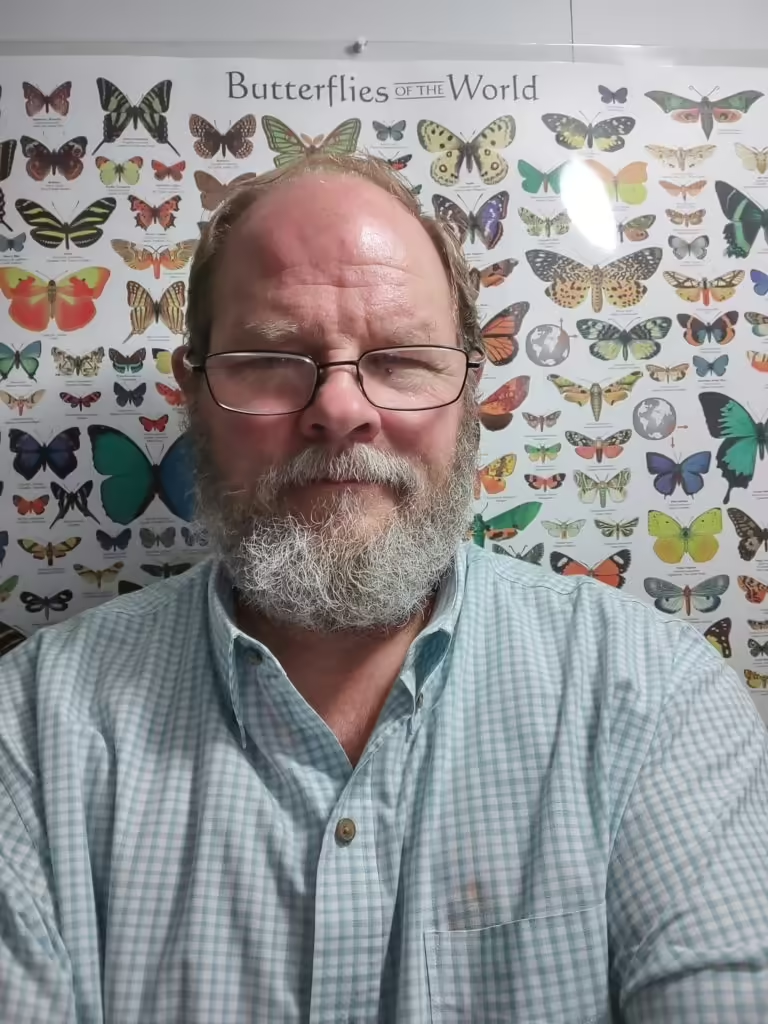
Jay Gowen‘s interest in native plants began in 2014 when he moved to Montgomery County and saw the abundance and
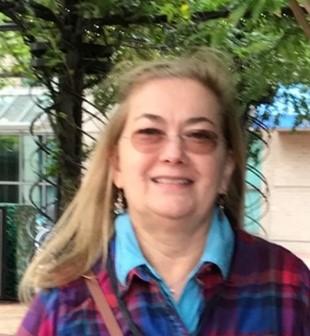
Headshot of person with long hair, glasses, plaid shirt with blue color, smiling at camera.

Botanical Advisor

Anita Tiller serves as botanist and conservation manager for Mercer Botanic Gardens, Harris County since December of 2000. Tiller directs
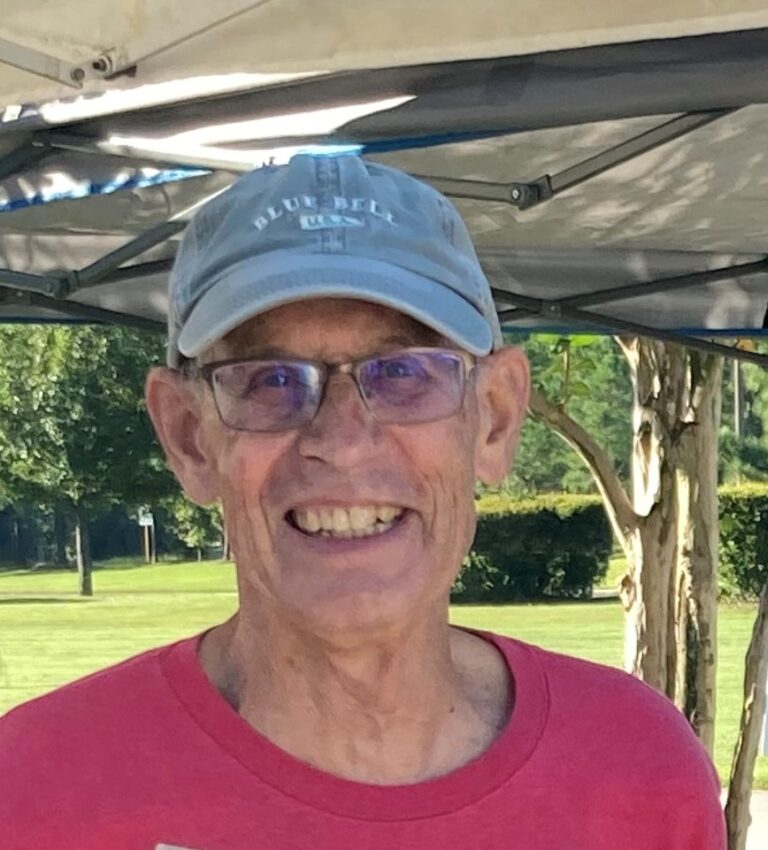
Headshot of a man waring a light blue ball cap

Botanical Advisor

While Don Dubois’s formal training is chemistry with a PhD from the University of Kansas, he has always been fascinated
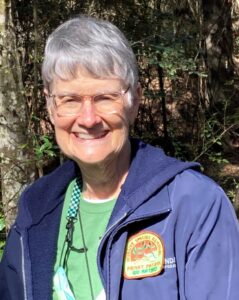
Candid headshot of a woman in a blue hoodie

Botanical Advisor

Kathie Herrick holds a bachelor’s in biology from Grinnell College and masters degrees in botany and teaching of science from
Stay in Touch

Contact

About the Region

Fall Symposium 2025 Logo - Teach for the Future

Salado, the location of our Fall 2025 Symposium, lies at the intersection of two ecoregions: the Edwards Plateau (Limestone Cut Plain) and Blackland Prairie (Northern Blackland Prairie).

The Edwards Plateau area is also called the Hill Country; however, this general term covers a much larger area extending farther north. Spring-fed creeks are found throughout the region; deep limestone canyons, rivers, and lakes (reservoirs) are common. Ashe juniper is perhaps the most common woody species found throughout the region. Additional woody species include various species of oak, with live oak (Quercus fusiformis) being the most common. Sycamores (Platanus occidentalis) and bald cypress (Taxodium distichum) border waterways. This area is well known for its spring wildflower displays, though they may be viewed in spring, late summer, and fall, as well. According to Texas Parks and Wildlife, average annual rainfall in the Edwards Plateau ranges from 15 to 34 inches.

The Blackland Prairie extends from the Red River south to San Antonio, bordered on the west by the Edwards Plateau and the Cross Timbers, and on the east by the Post Oak Savannah. Annual rainfall averages 30 to 40 inches, with higher averages to the east. This region is dominated by prairie species. The most common grass species include little bluestem (Schizachyrium scoparium) and Indian grass (Sorghastrum nutans) in the uplands and switchgrass (Panicum virgatum) in the riparian areas and drainages. Common herbaceous flowering plants include salvias, penstemons, and silphiums. This area has suffered greatly from overgrazing and agricultural use. Few intact areas remain, though many of the plants can be found along county roadsides throughout the region.

Our fall Symposium host chapter, the Tonkawa Chapter, includes both of these ecoregions.

Source: Wildflowers of Texas by Michael Eason