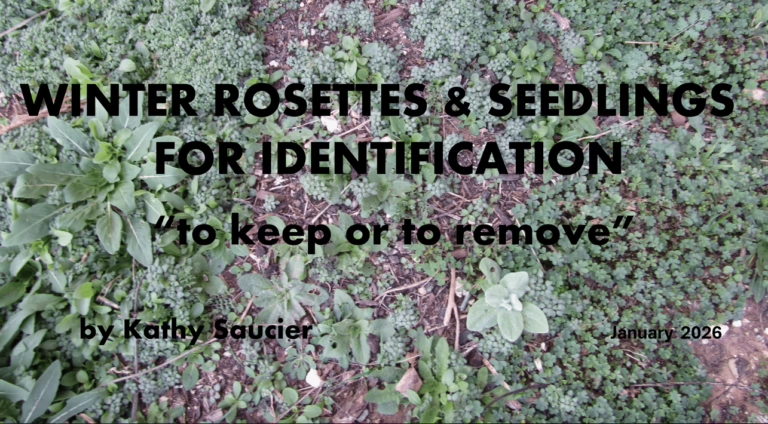
Winter Rosettes and Seedlings for Identification
Saucier opens her presentation with rosette photos of native as well as invasive plants as they begin to stretch toward spring. Each is followed with a picture of the the fully developed plant in bloom.
Now for the decision in your garden and field. Which are weeds that are more easily dealt with now. Which are the flowers we enjoy fully that we need to transplant while they are young.
February Chapter Meeting
February 10, 2026 Rachel Sarlis, Regional Urban Ecologist with the Texas A&M Forest Service for the San Antonio region, will discuss tree selection, proper planting techniques, and effects on the environment. Rachel is a certified arborist with specialized qualifications in tree risk, assessment, and oak wilt management. Join us at

My Path to Cues to Care
The term Cues to Care originated in the late 1980s from landscape architect Joan Nassauer of the University of Michigan. Nassauer’s research uncovered an interesting paradox. She noted that, “A large body of landscape perception research…leaves no doubt that people prefer to see landscapes that they perceive as natural.” However, there is a fine line, as “too much nature” is uninviting.
Chapter Meeting: Native Landscape Design in Practice
Native landscaping is more than a design trend, it reflects a shift in how we understand the purpose of our landscapes.

Spring Plant Sale May 2, 2026
When: Saturday, May 2, 2026 Where: Randol Mill Park Pavilion, Arlington TX Time: 10:00 am – 12:30 pm Many of our chapter members are providing plants and we are expecting to have over 1500 locally grown native plants for sale. Our goal is to distribute native plants out into the
San Antonio Chapter Meeting February 2026
February 2026 Presentation by Ben Eldridge, Executive Director, Heart of Texas Conservancy. Preserving Natural Infrastructure in the Texas Hill Country.
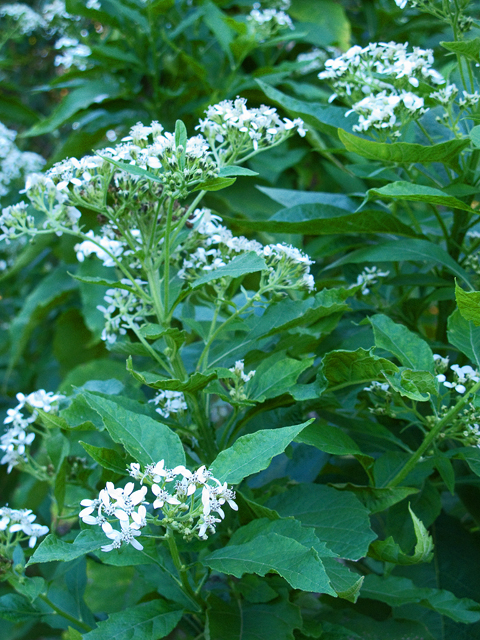
January 2026 Plant of the Month
The first frost of the year will reveal why this plant is called Frostweed. Click on the plant below for more details
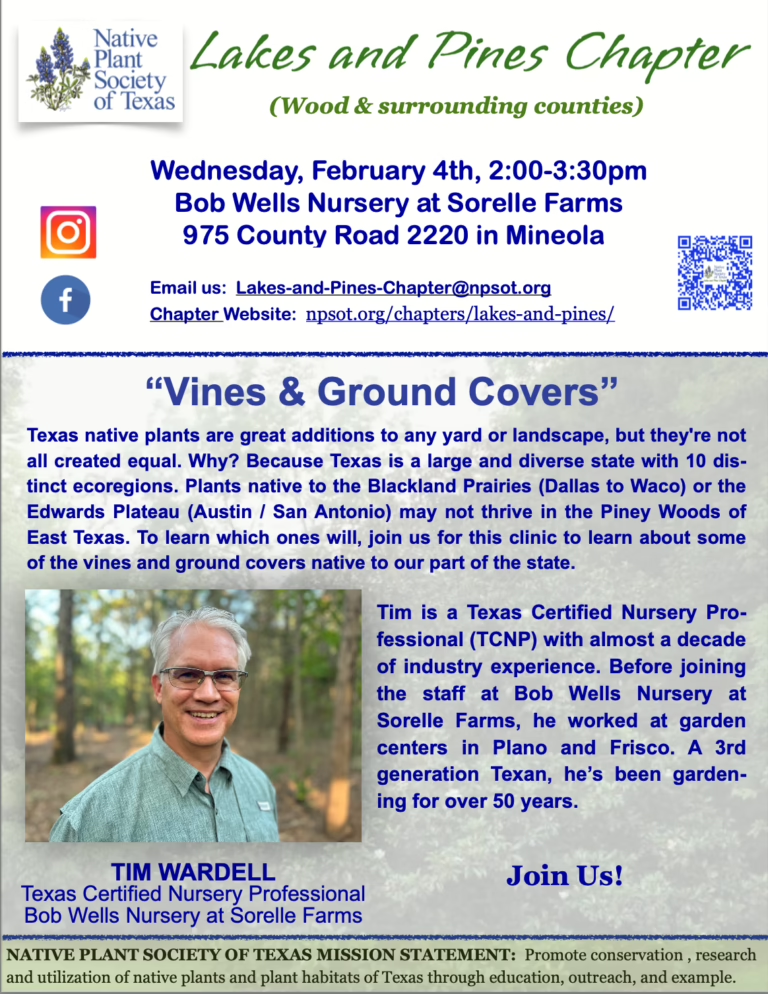
February 4 Lakes & Pines Chapter Meeting – “Vines and Groundcover” presented by Tim Wardell, Sorelle Farms
Learn about a variety of vines and groundcovers that are native to East Texas.
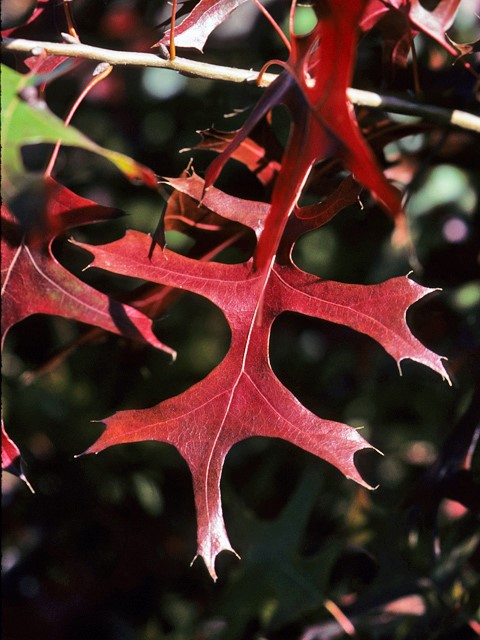
December 2025 Plant of the Month
As winter emerges Red Oaks show their colors. Click on the plant below for more details

Feb. 1 – Registration Opens for Native Landscape Certification Program, Level 1 – Tyler
Although the registration website page won’t be updated until the last week of January, registration begins on February 1. These 30 class spaces will fill up quickly. Click on the NLCP flyer on February 1st to register for this certification course!
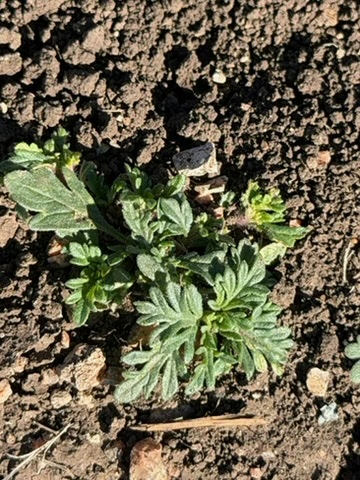
Harbingers of Spring
Kathy Saucier, our resident Certified Wildscape instructor, opens January with a challenge: find the harbingers of spring. Look closely! Not for migrating birds, but on the ground, past the grasses, past the leaf litter.
“Do you see those tiny rosettes that are nestled against the earth?”
Boerne Chapter Meeting February 3
We are excited to welcome Brenda Fest as our February speaker. Brenda is an active member of NPSOT-Boerne chapter and an instructor for NPSOT Boerne’s Native Landscape Certification Program (NLCP). In addition, she also is an active volunteer for the Hill Country Master Naturalist Chapter, and a certified Texas Master