Coming Soon: Annual Member Contests
Annual member contests are a tradition at the Native Plant Society of Texas. Once again this year we will have contests in photography, short videos and chapter newsletters. Winners will be recognized at our fall symposium. We will let you know later when the time comes for submitting your entries.
Invasive Plant Pull and Garden Work Day – April 11th, Saturday, 9 AM-12 Noon
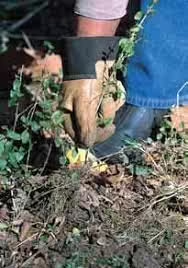
Make a difference for water, wildlife, and wild places at Lick Creek Park from 9 a.m.-noon on Saturday March 14th and April 11th 9 AM- 12 noon. Volunteer to remove invasive plants to help preserve the park’s unique ecosystems and demonstration gardens.
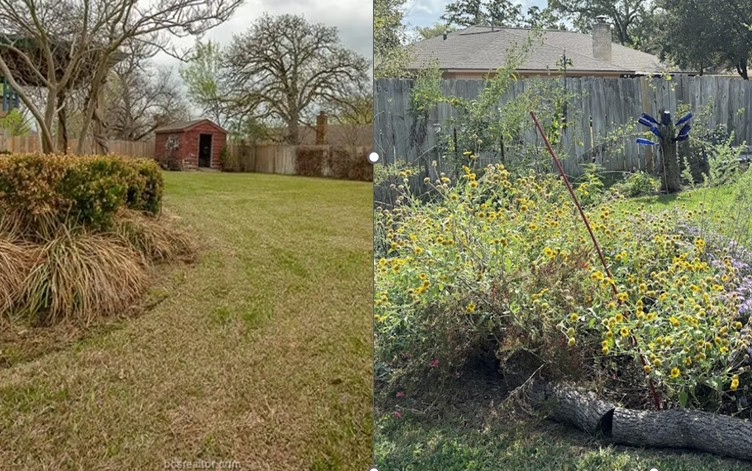
Garden Tour: Transforming Your Piece of this Earth – From Non-Native to a Native Yard Habitat without a Plan or Much Knowledge. If I can do it, so can you!
Thursday May 7th 6-7:30 PM – Come, go or stay a while. Details to come!
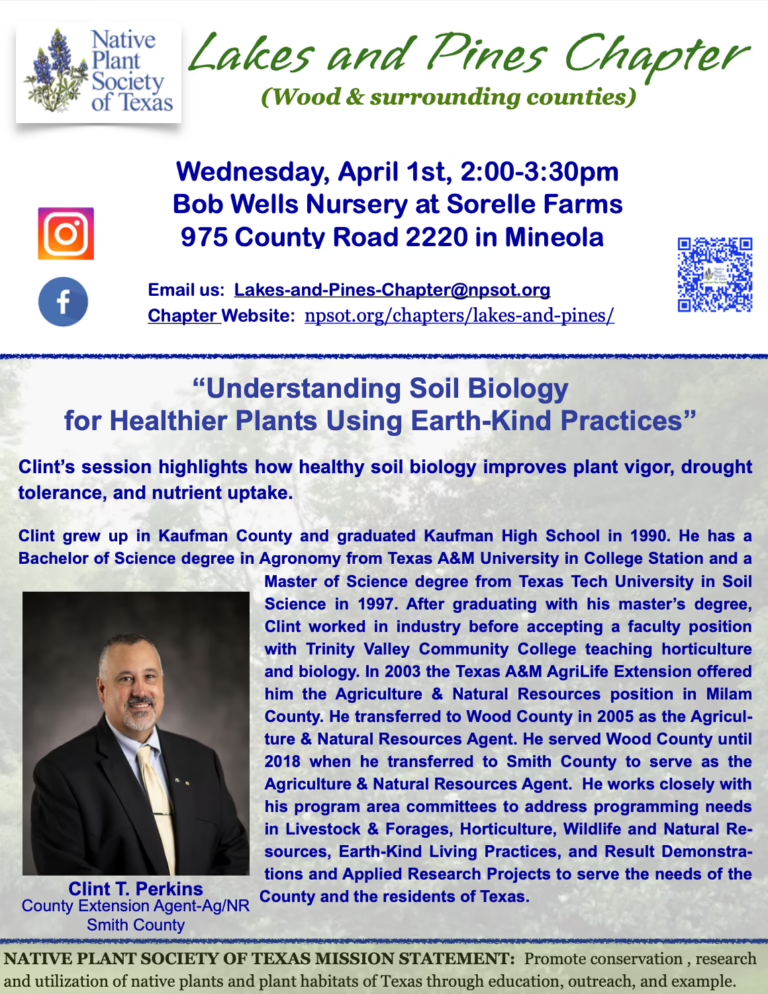
April 1 Lakes & Pines Chapter Meeting: “Understanding Soil Biology for Healthier Plants Using Earth-Kind Practices” – presented by Clint T. Perkins, County Extension Agent-Ag/NR Smith County
Clint’s program highlights how health soil biology improves plant vigor, drought tolerance, and nutrient uptake.
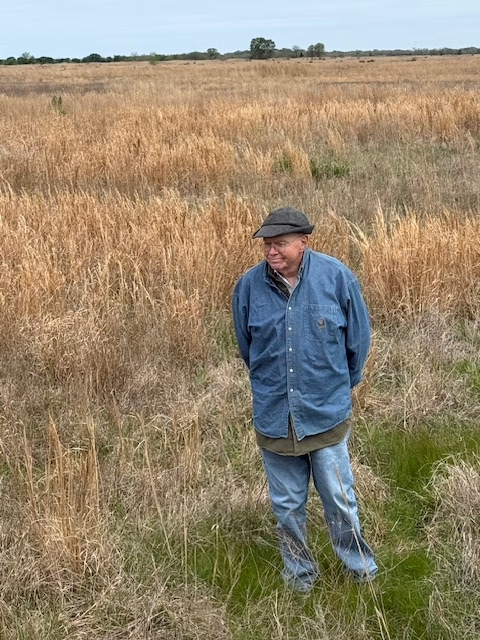
Lakes and Pines Daphne Prairie Preserve Field Trip
March 28, 2026 – Members of the Lakes and Pines Chapter as well as members from other area organizations were honored with a tour of the incredible Daphne Prairie Preserve. Hosted by owner B.F. Hicks and assisted by Taylor Garrison, former wildlife biologist with TPWD and now with Plateau Land
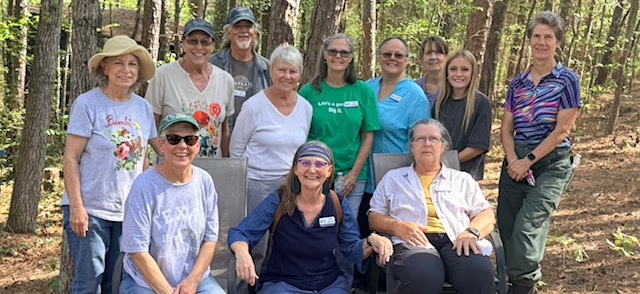
Lakes and Pines Member Tour of Diane Schrage’s Gardens
March 25, 2026 – Diane Schrage hosted members for a tour of her beautiful Piney Woods property. While identifying the abundant natural native plants as well as well as viewing the ones Diane has introduced, everyone had a wonderful time walking around her lake, through the peaceful woods, and enjoying
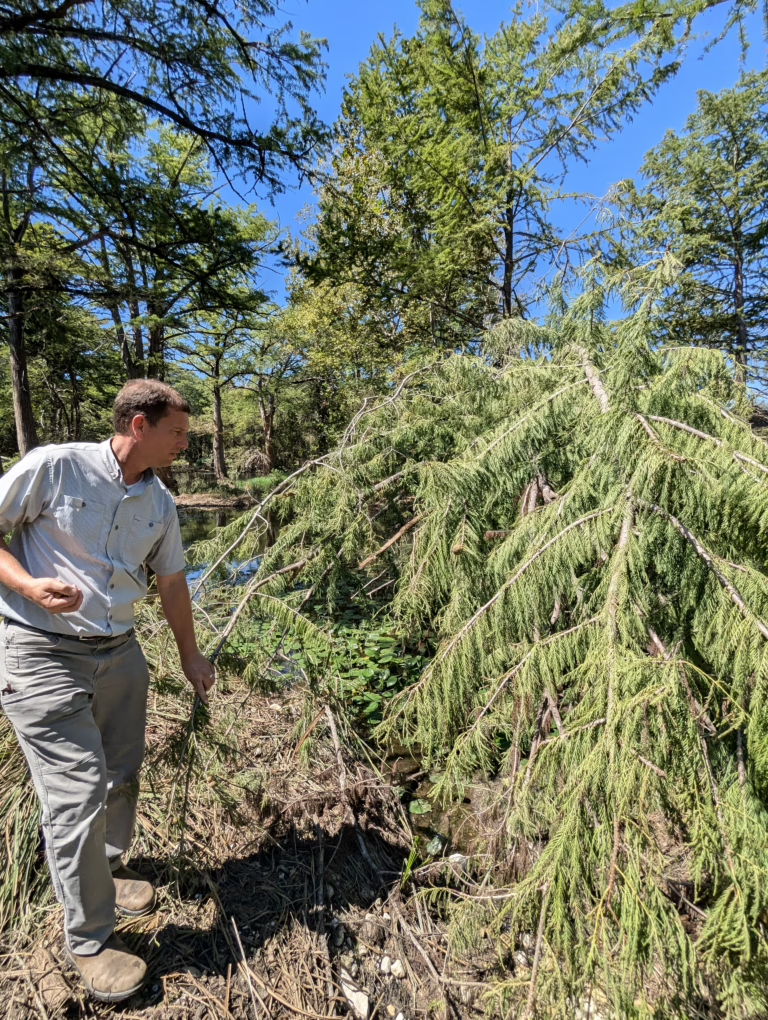
San Antonio Chapter Meeting April 2026
April 28, 2026: Presentation by Andrew Labay – Chief Mission Officer at the San Antonio Botanical Garden. New Programs and Projects at SA Botanical Garden.
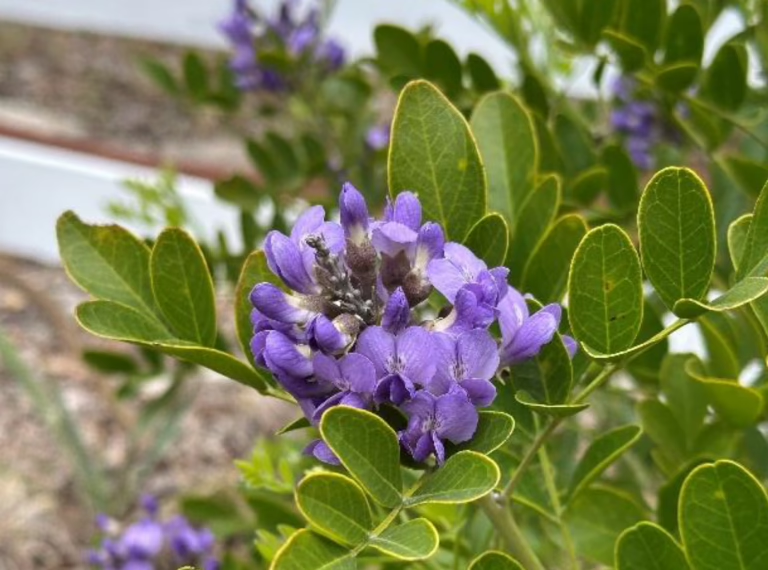
NICE Spring 2026 Plant of the Season
Texas Mountain Laurel Calia secundiflora (Sophora secundiflora): Evergreen shrub or small multi-trunked tree Description: Texas Mountain Laurel, Calia secundiflora (Sophora secundiflora), is a slow growing evergreen shrub that can be trained as a small, multi-trunked tree. It can reach 30 feet in height but typically grows to 10 – 15
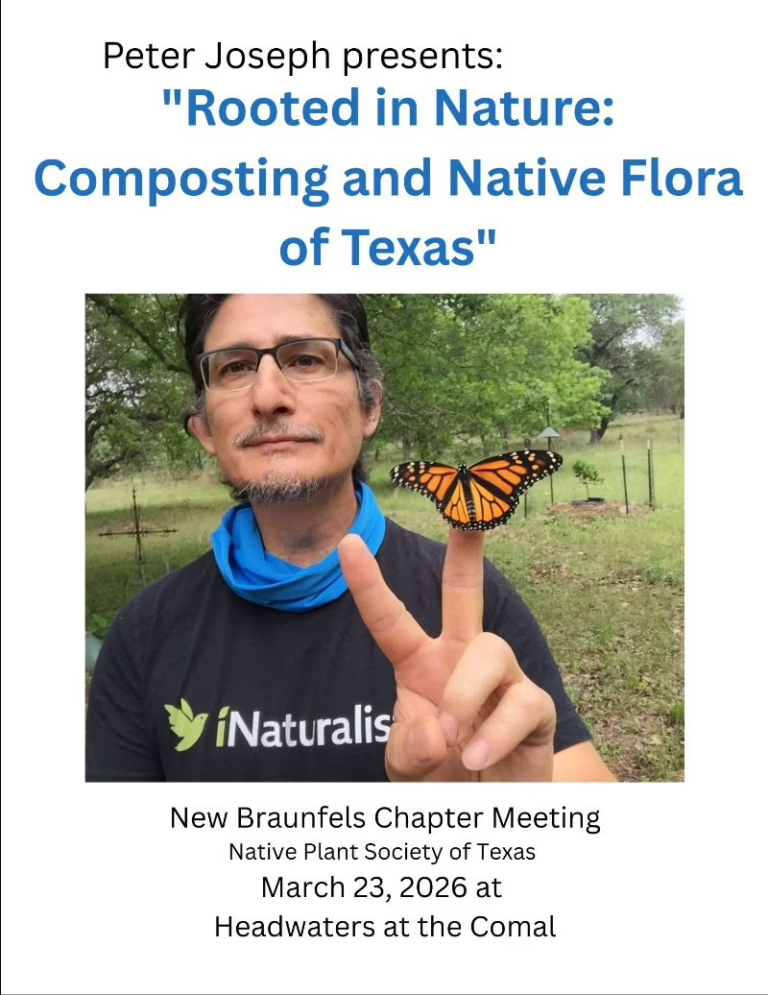
Rooted in Nature: Composting and Native Flora of Texas
Peter is a Guadalupe County Master Gardener and Master Composter with the State of Texas Alliance of Recycling. He focuses on Earth-Kind practices which help plants thrive while conserving water and caring for the environment. Peter is actively engaged in environmental stewardship and conservation efforts with multiple groups in the greater San Antonio area. He has served on the board of the San Antonio Chapter of NPSOT, is an Alamo Area Master Naturalist, a member of the Audubon Society, and serves on the Environmental Advisory Committee for the San Antonio River Authority among other roles.