

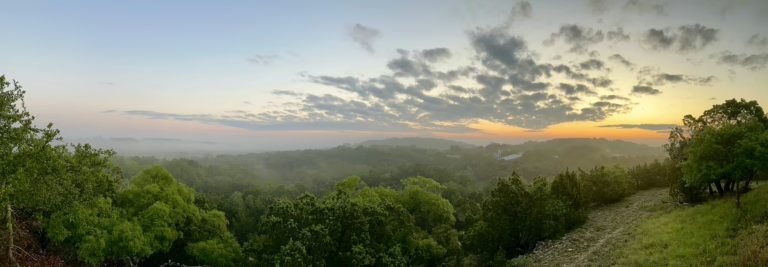
San Antonio Chapter Meeting February 2026
February 2026 Presentation by Ben Eldridge, Executive Director, Heart of Texas Conservancy. Preserving Natural Infrastructure in the Texas Hill Country.
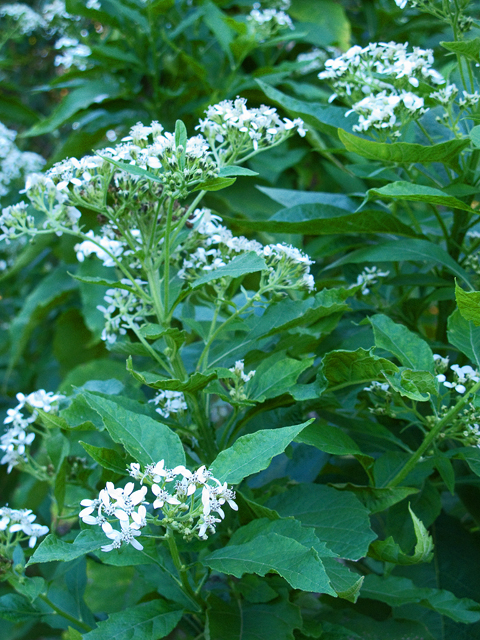
January 2026 Plant of the Month
The first frost of the year will reveal why this plant is called Frostweed. Click on the plant below for more details
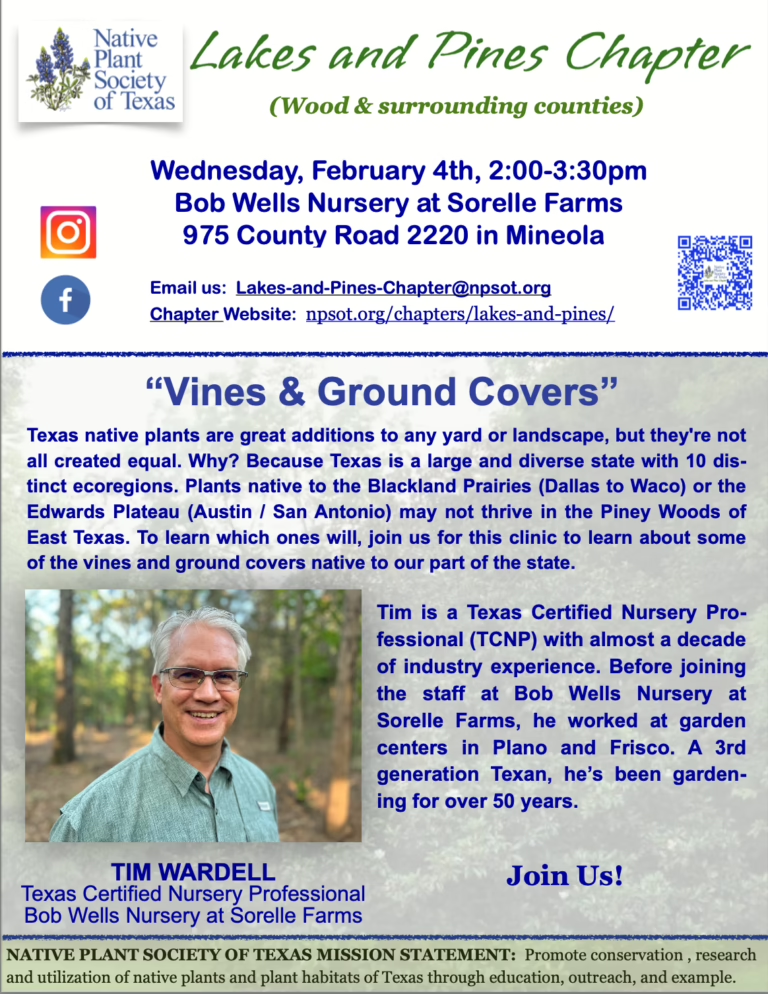
February 4 Lakes & Pines Chapter Meeting – “Vines and Groundcover” presented by Tim Wardell, Sorelle Farms
Learn about a variety of vines and groundcovers that are native to East Texas.
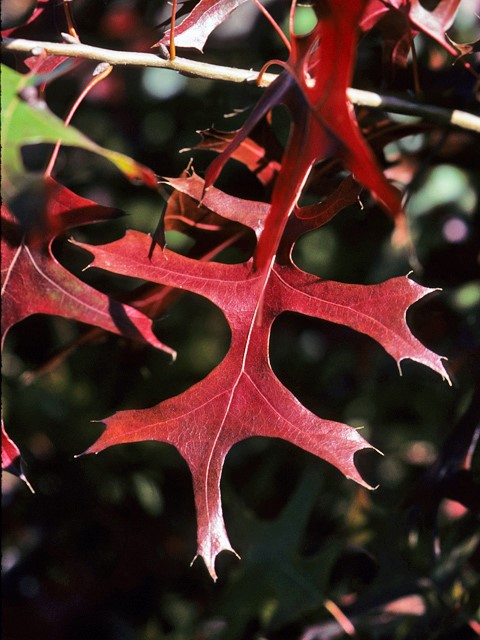
December 2025 Plant of the Month
As winter emerges Red Oaks show their colors. Click on the plant below for more details
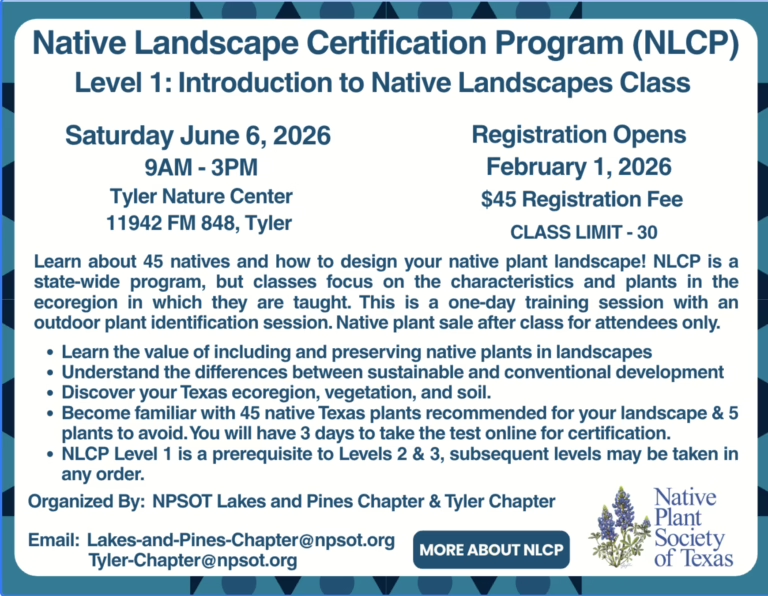
Feb. 1 – Registration Opens for Native Landscape Certification Program, Level 1 – Tyler
Although the registration website page won’t be updated until the last week of January, registration begins on February 1. These 30 class spaces will fill up quickly. Click on the NLCP flyer on February 1st to register for this certification course!
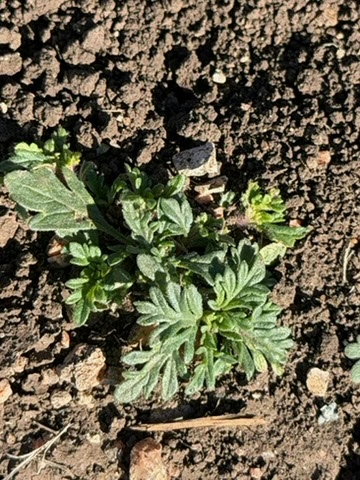
Harbingers of Spring
Kathy Saucier, our resident Certified Wildscape instructor, opens January with a challenge: find the harbingers of spring. Look closely! Not for migrating birds, but on the ground, past the grasses, past the leaf litter.
“Do you see those tiny rosettes that are nestled against the earth?”
Boerne Chapter Meeting February 3
We are excited to welcome Brenda Fest as our February speaker. Brenda is an active member of NPSOT-Boerne chapter and an instructor for NPSOT Boerne’s Native Landscape Certification Program (NLCP). In addition, she also is an active volunteer for the Hill Country Master Naturalist Chapter, and a certified Texas Master
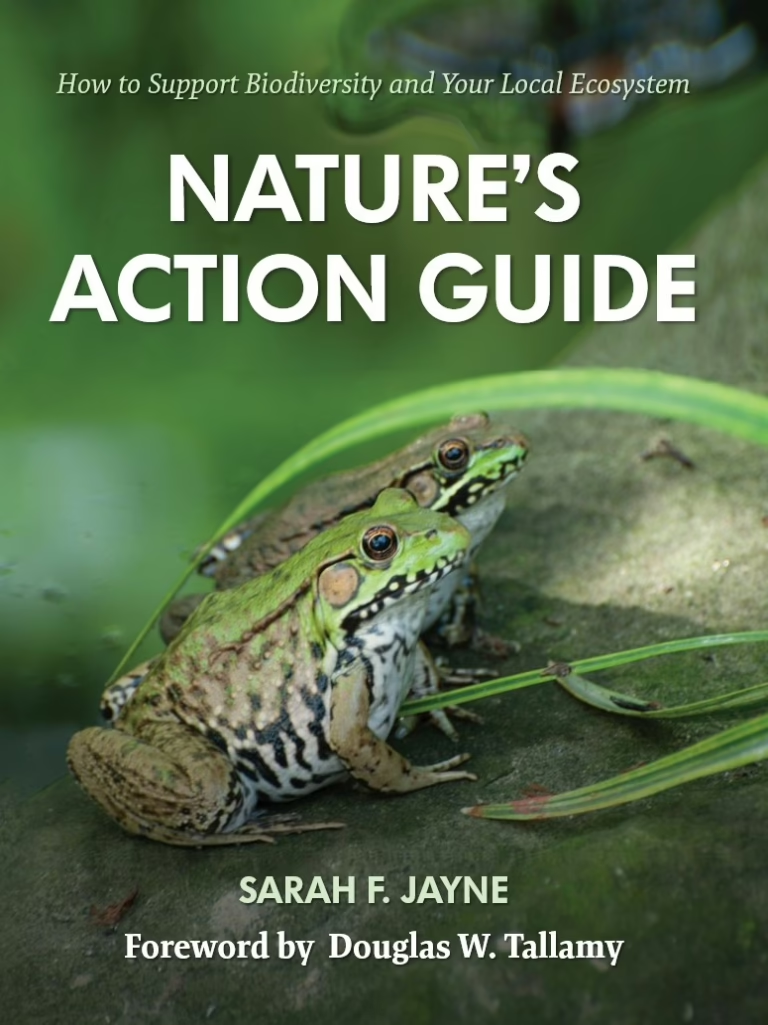
February 3rd Meeting – Ecology and Beauty: Creating a Landscape that Welcomes Wildlife and People (Online only)
Note: Speakers handout is available for download: https://www.naturesactionguide.org/ecology Our February 3 chapter meeting will be online only via Zoom. The speaker is Sarah F. Jayne – she is an environmentalist, educator, and wildlife advocate. Her book “Nature’s Action Guide: How to Support Biodiversity and Your Local Ecosystem” is a companion to Doug Tallamy’s “Nature’s
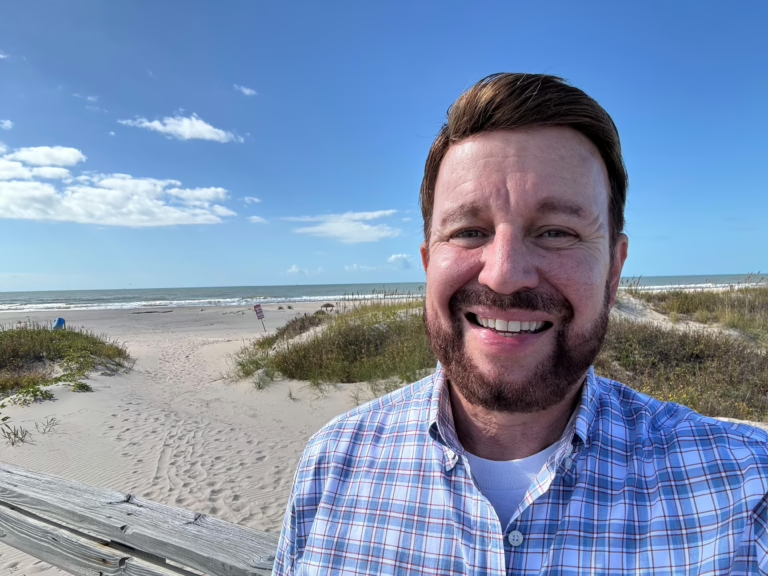
Highland Lakes NPSOT Meeting: Saturday, 17 January “Spring and Early Summer Weather”
Bob Rose, the chief meteorologist for Lower Colorado River Authority (LCRA), is the speaker for the Highland Lakes Native Plant Society of Texas’ Chapter meeting on Saturday, 17 January 1:00-3:00 p.m. at the Marble Falls Library, 101 Main Street. Bob is responsible for the daily forecast of weather conditions and temperature
Button, Button, Who’s Interested in the Buttonbush?
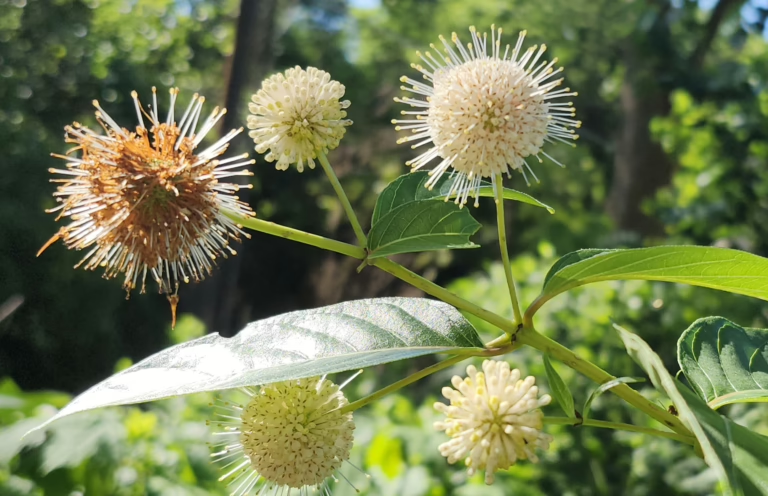
Are you looking for a native shrub with an unmistakable flower, a feast for pollinators, and that is adaptable to a variety of soil conditions? The Buttonbush (Cephalanthus occidentalis) could be the plant for you.
Chapter Meeting: Encouraging Native Plantings in HOA Landscapes
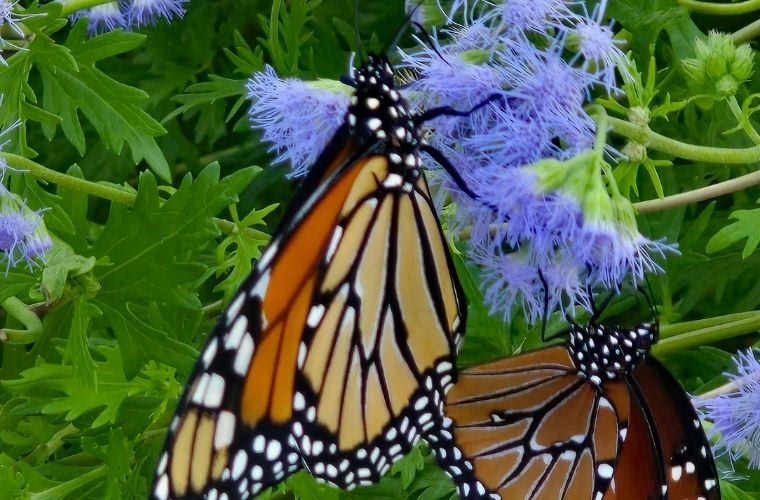
How can we encourage the use of more native plants in our community and still make HOAs happy? Join us to find out!
