

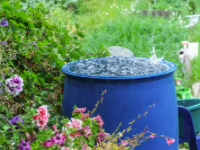
Boerne Chapter Meeting March 3
Join us on March 3 for an informative session on harvesting rainwater for drinking and irrigation. Dr. Sunn and Dr. Grainger from RainBees will share practical guidance on how to design, manage, and maintain an effective rainwater collection system. Topics will include understanding your rainwater needs, evaluating and preparing your
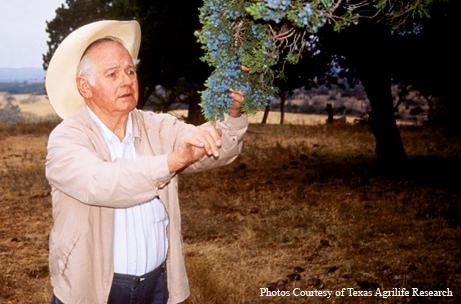
Benny Simpson: Plant Hunter and Founding Member of NPSOT
Changing how Texans see their Native Landscapes North Texas has been fortunate to have a number of remarkable botanists whose work continues to influence our landscapes today. Earlier, we featured a remembrance of Harold Laughlin. Another local botanist with far-reaching impact was Benny Simpson. He devoted his career to locating,
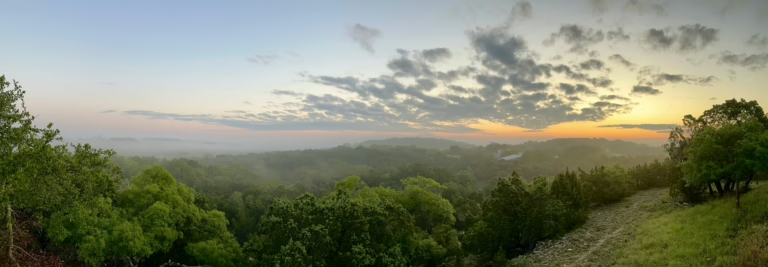

March 3rd Meeting – Jumpstart Your Native Plant Garden (Online Only)
Our March 3 chapter meeting will be online only via Zoom. The speaker is Haeley Giambalvo – she is the VP of Communications for NPSOT, founder of NativeBackyards.com, and the author of “Native Plant Gardening for Beginners“. Presentation Summary Haeley will be speaking on how to “Jumpstart Your Native Plant Garden“. Learn how to get started
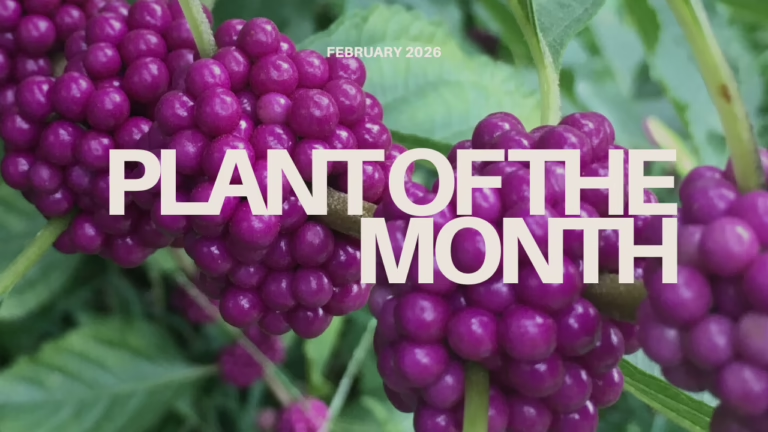
Plant of the Month: American Beautyberry
Our plant of the month for February 2026 makes a wonderful jelly!
Botanical name: Callicarpa americana
Common name(s): French Mulberry, Sourbush, Bunchberry, Purple Beauty-berry
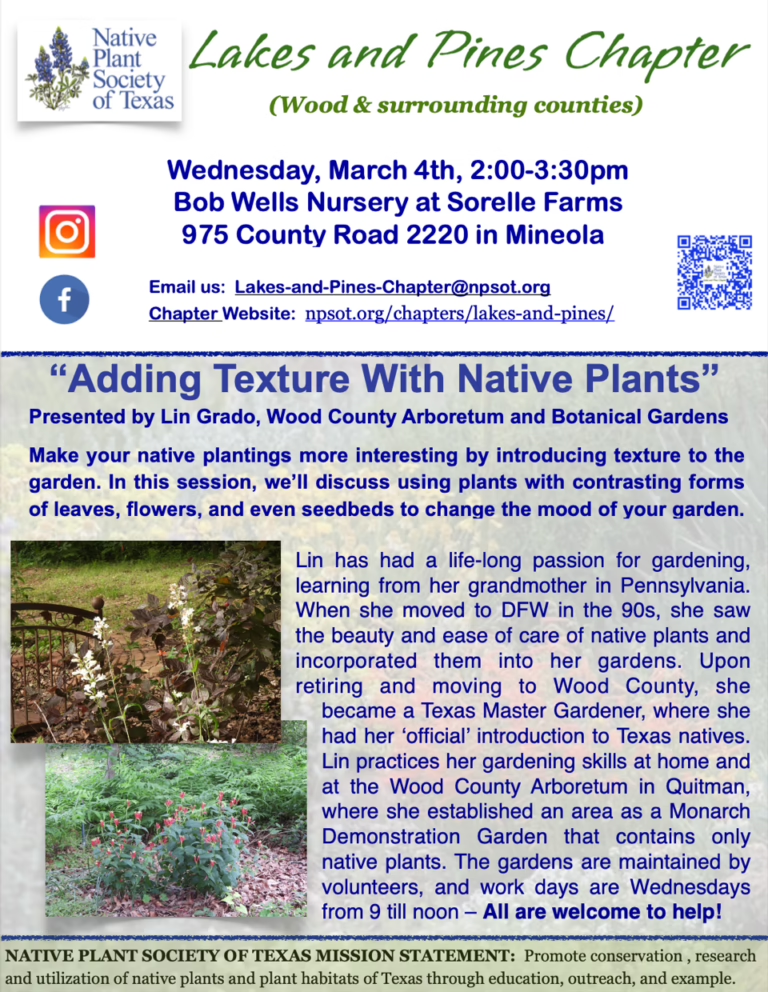
March 4 Lakes & Pines Chapter Meeting – “Adding Texture with Native Plants” presented by Lin Grado, Wood County Arboretum and Botanical Gardens
Make your native plantings more interesting by introducing texture to the garden. In this session, we’ll discuss using plants with contrasting forms of leaves, flowers, and even seedbeds to change the mood of your garden.
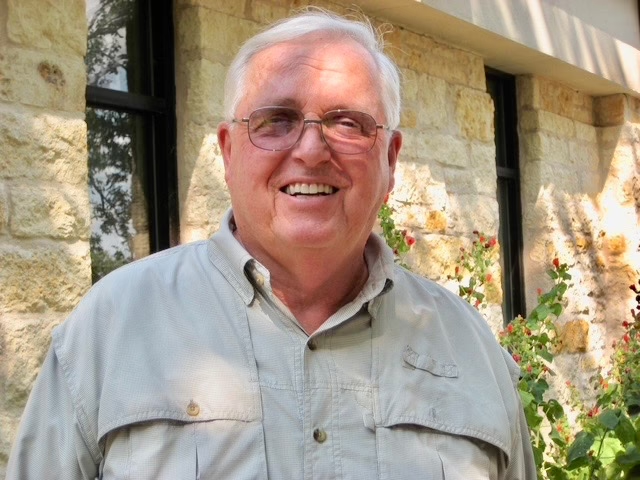
Celebrating Ward Miller (1937-2026)
Ward Miller – vice president in 2011, president in 2015, a gardener (but really more a landscaper), a good friend and mentor -always. Ward passed away Monday, February 2, in Austin at Austin Heart. He left his footprints on our lives. His influence continues.
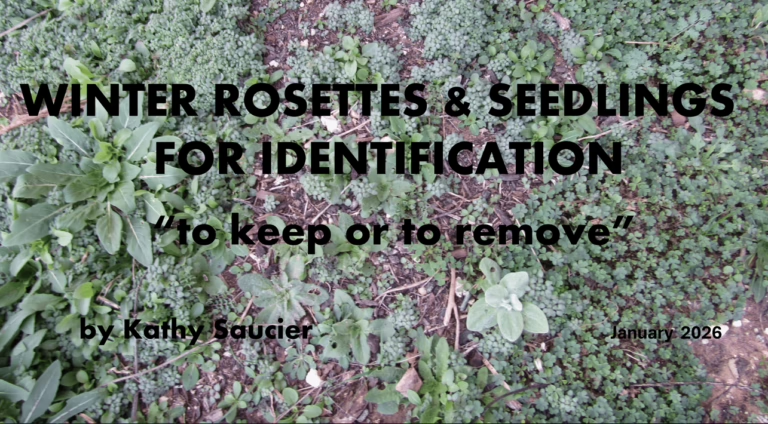
Winter Rosettes and Seedlings for Identification
Saucier opens her presentation with rosette photos of native as well as invasive plants as they begin to stretch toward spring. Each is followed with a picture of the the fully developed plant in bloom.
Now for the decision in your garden and field. Which are weeds that are more easily dealt with now. Which are the flowers we enjoy fully that we need to transplant while they are young.
February Chapter Meeting
February 10, 2026 Rachel Sarlis, Regional Urban Ecologist with the Texas A&M Forest Service for the San Antonio region, will discuss tree selection, proper planting techniques, and effects on the environment. Rachel is a certified arborist with specialized qualifications in tree risk, assessment, and oak wilt management. Join us at

My Path to Cues to Care
The term Cues to Care originated in the late 1980s from landscape architect Joan Nassauer of the University of Michigan. Nassauer’s research uncovered an interesting paradox. She noted that, “A large body of landscape perception research…leaves no doubt that people prefer to see landscapes that they perceive as natural.” However, there is a fine line, as “too much nature” is uninviting.
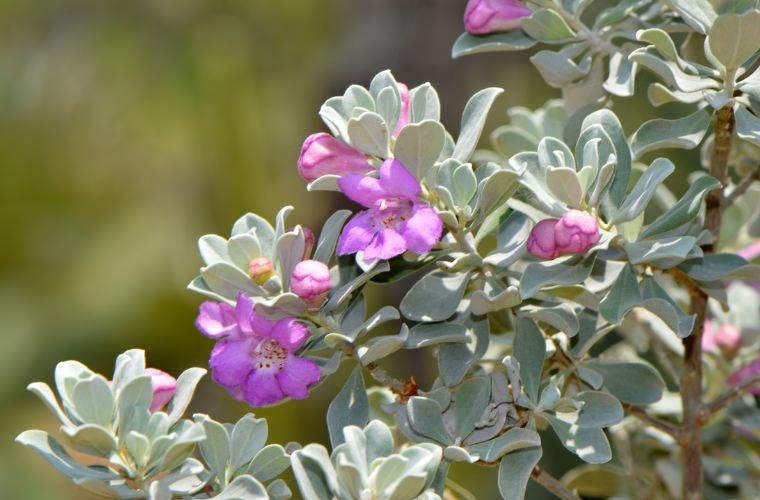
Chapter Meeting: Native Landscape Design in Practice
Native landscaping is more than a design trend, it reflects a shift in how we understand the purpose of our landscapes.
Spring Plant Sale May 2, 2026
When: Saturday, May 2, 2026 Where: Randol Mill Park Pavilion, Arlington TX Time: 10:00 am – 12:30 pm Many of our chapter members are providing plants and we are expecting to have over 1500 locally grown native plants for sale. Our goal is to distribute native plants out into the
