

Results of membership contest announced
**ARCHIVED POST ** The Native Plant Society concluded a three-month Chapter Membership Contest on April 1 and results were announced at the State Board Meeting in McKinney. South Plains Chapter in Lubbock won first place for largest percentage increase in membership over the three month period. South Plains raised their membership
Meg Inglis to coordinate landscape classes
The Native Plant Society has chosen Meg Inglis to be the coordinator for its Native Landscape Certification Project.
Commander Ben, outstanding citizen scientist
Commander Ben, aka Benjamin Shrader, fights a never-ending battle against invasive plants.
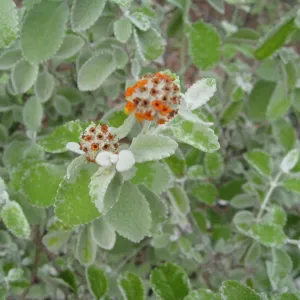
A NICE! Plant that Attracts Butterflies and Could Bring Rain
by Delmar Cain – Boerne Chapter, Native Plant Society of TexasPublished in the Boerne Star on April 11, 2014 By now I am sure that you have successfully found the right spot for and planted all of those native plants that you bought at the Mostly Native Plant Sale. If
Monarch project announces garden grants
The Society is awarding $7500 in small grants to 36 community gardens around the state to fund planting of Monarch butterfly habitat this spring.
Texas weather and other gardening challenges
When we “retired,” I just wanted to live in the country and spend all of my time in the garden. How relaxing and peaceful that sounded.
You’re invited to our spring symposium!
Join us on April 26 for a spring holiday at the Lady Bird Johnson Wildflower Center with lunch, lectures, book signings and of course those beautiful gardens.
We’re looking for writers
The Native Plant Society of Texas is looking for a few good writers for our website.
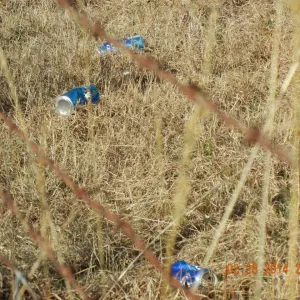
Cluttering The Beauty Of The Native Grown
by Delmar Cain – Boerne Chapter, Native Plant Society of TexasPublished in the Boerne Star on March 28, 2014 I am sure that I am in a very small minority of people that appreciate and enjoy watching vultures, black and turkey. In the winter when their numbers swell with visitors
Wild garlic added to invasives list
Wild Garlic (Allium vineale), an introduced perennial from Europe, has been added to the Texas Invasives website.
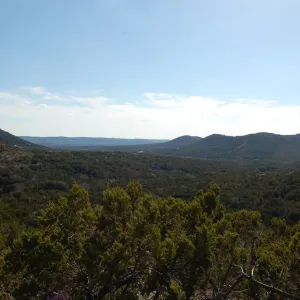
One Eye Forward and One Eye Back
by Delmar Cain – Boerne Chapter, Native Plant Society of TexasPublished in the Boerne Star on March 14, 2014 Who doesn’t enjoy a chance to leave the present and travel back in time? Literature, television series, movies, and river cruises along the Danube, or the Volga or the Yangtze all
Find your natives at Spring plant sales
Native plant sales offered by our local chapters and other organizations are a great way to get those hard-to-find plants that you’ve been wanting for your garden.
