

Grant will research native oaks and drought
The Ann Miller Gonzalez Research Grant for 2014 goes to Caitlyn Cooper for her work investigating the effects of prolonged drought on various native oak species.
Texas mock orange
Texas Mock Orange and its almost identical relative, Canyon Mock Orange, are ornamental delights for shady locations in home landscapes.
Summer landscape classes added in DFW
We’ve added additional classes to our Native Landscape Certification Program in Denton on June 7 and in Cedar Hill on June 28.
Goldenball leadtree
During the late-spring bloom period, Goldenball Leadtree puts out numerous, bright golden-yellow “puffballs” about an inch across which brighten the landscape.
Committee seeks candidates for board
Our Nominating Committee is seeking candidates for the position of Vice-President for Education and the position of Vice-President for Administration.
Call for papers on Northeast ecosystems
Authors may submit research papers, general papers on topics of interest and “how to” articles related to the theme of Northeast Texas: Diversity of Ecosystems.
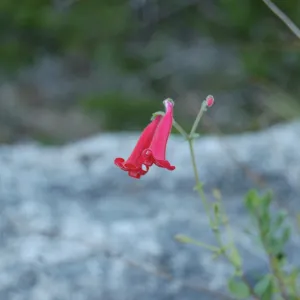
A Limestone Canyon, A Memorable Trip and a NICE! Plant
By Delmar Cain – Boerne Chapter, Native Plant Society of TexasPublished in the Boerne Star on May 9, 2014 This year is going by quickly and it is May already. It is also time for the Boerne Chapter of the Native Plant Society of Texas to recommend a NICE (Native
Images from our spring symposium
A slideshow of images from our spring symposium at the Wildflower Center, featuring a preview of the new Luci and Ian Family Garden
Journey to the Northeast to learn about a diversity of ecosystems
Texarkana is the destination for our 2014 Fall Symposium, set for October 16-19.
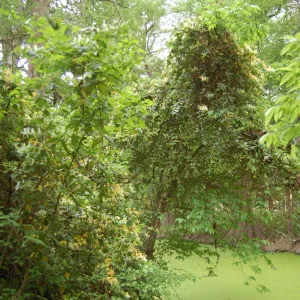
Texas Honeysuckle—Not A Wanderer
by Delmar Cain – Boerne Chapter, Native Plant Society of TexasPublished in the Boerne Star on April 25, 2014 One day last week Wilt Shaw and I were following Dr. David Wagner as he hunted for moth caterpillars for a new book. Part of our path was along the banks
Fall symposium planners seek artwork
Artwork depicting native plants of the region will be featured on t-shirts and other items at our Fall Symposium in Texarkana.
Results of membership contest announced
**ARCHIVED POST ** The Native Plant Society concluded a three-month Chapter Membership Contest on April 1 and results were announced at the State Board Meeting in McKinney. South Plains Chapter in Lubbock won first place for largest percentage increase in membership over the three month period. South Plains raised their membership
