

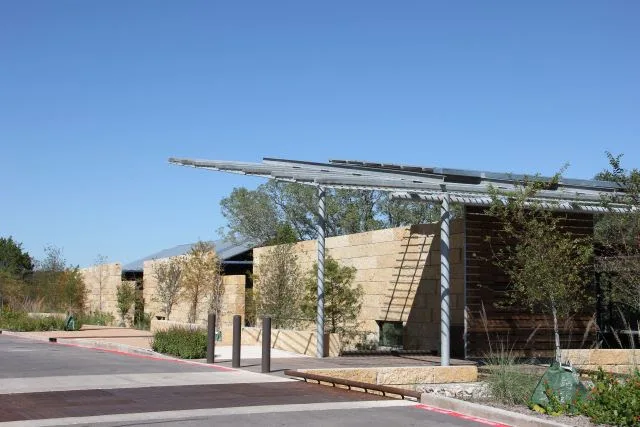
NPSOT SA Garden Workday at Phil Hardberger Park
On January 13, come help our chapter support Phil Hardberger Park by sprucing up the landscape near the Urban Ecology Center.
Year End News and Events
The Native Plant Society of Texas is grateful for your dedication to native plants in 2023. Thanks to all of our members, volunteers, staff, state board directors and other leaders of the Native Plant Society of Texas. You made it possible to educate the public about the resilience of native

Austin NPSOT Grant Award
As a 501(c)(3) organization the Native Plant Society of Texas 2023 awarded Austin one of five $700 grants through the NPSOT State Conservation Partner Grant initiative. Our grant will support efforts in partnership with the Native Prairies Association of Texas (NPAT) at Dowell Ranch Preserve to support prairie and woodland
Programs: January – April, 2024
[from Tom Kennedy, Acting Program Manager] Greetings to Big Bend NPSOT Chapter Members. I would like to give you an update on the state of our chapter. Our activity has waned in the fall months of 2023 due to a number of staff medical issues. We are happy to report
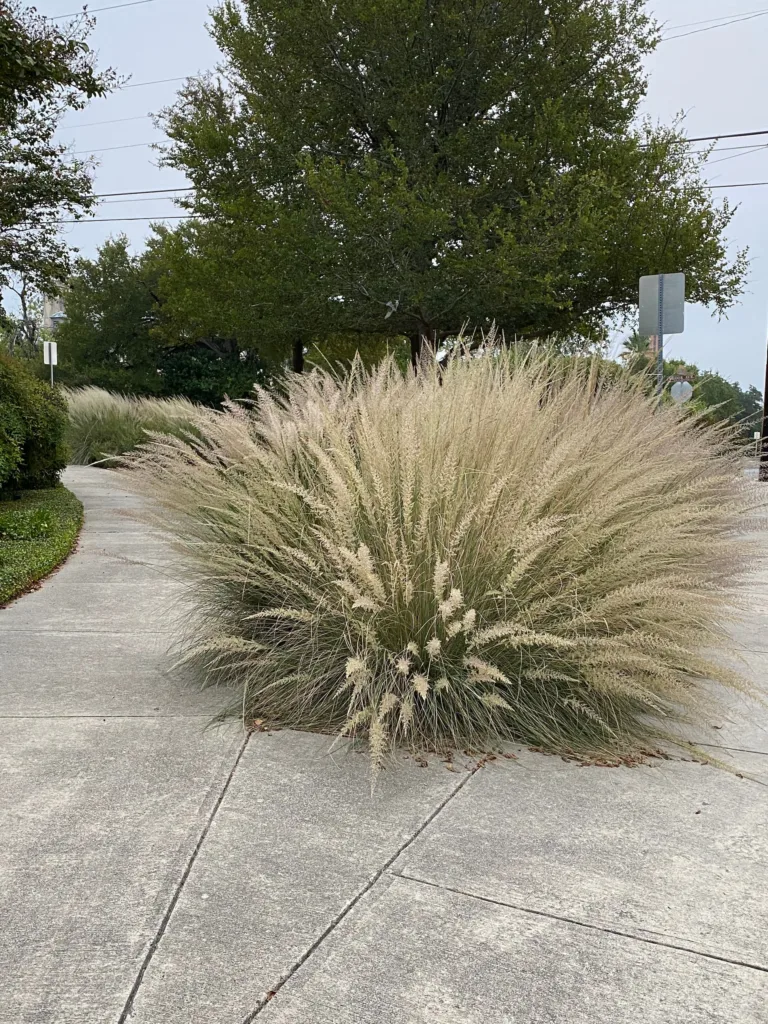
Utilizing Native Grasses in Residential Landscapes
January 2024 Presentation by Cleveland Powell. Utilizing Native Grasses in Residential Landscapes

Membership in a Native Plant Society is a Worthy and Wonderful Gift
Learn about Native Plants People who desire to learn about what creates a healthy ecosystem or just want a garden that will thrive in their ecoregion, should start with native plants. Native Plant Societies offer a variety of ways to learn and develop a knowledge base of plants that do
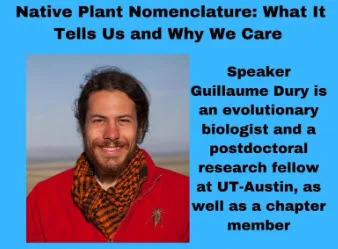
Demystifying the Scientific Names of Plants: Botanical Nomenclature 101
Nov 27, 2023 by Guillaume Dury
Demystifying the Scientific Names of Plants: Botanical Nomenclature 101
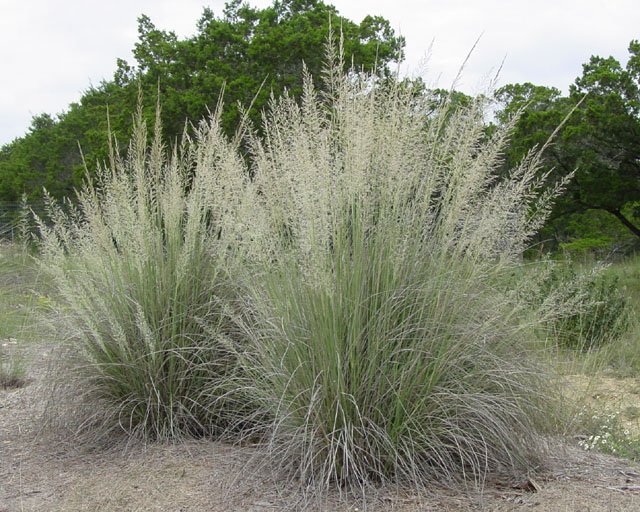
Lindheimer Muhly – Big Muhly
December 2023 Plant of the Month Our featured Texas native plant for December is Lindheimer Muhly (Muhlenbergia lindheimeri). This large grass is also known as Big Muhly. It is a favorite grass for native landscapes in our community: it is not only stunning when in bloom, it offers wildlife benefits
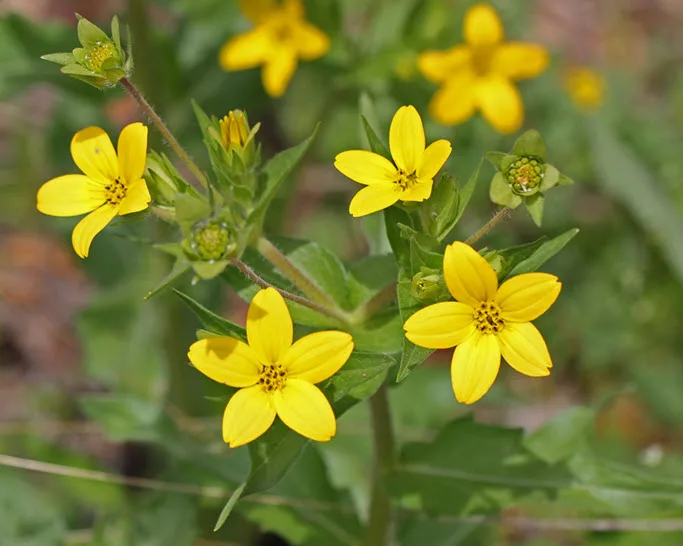

Last-Minute Holiday Gifts for Native Plant Enthusiasts!
There are two new online holiday shopping options in our 2023 collection of Native Plant Society of Texas-inspired gift possibilities. These gifts let you to share the love of native plants and awareness of our organization while giving proceeds back to support our mission! Improved NPSOT Gift Membership: It’s easier
New Proposed Board Members
Review our proposed slate of board members and be ready to vote on January 18!

Chapter Holiday Potluck & Gift Exchange
Clear Lake Chapter’s in-person holiday party will be held on December 11 at 6 pm. No meeting tonight. Join us and be merry!
