

Contest Winners Announced
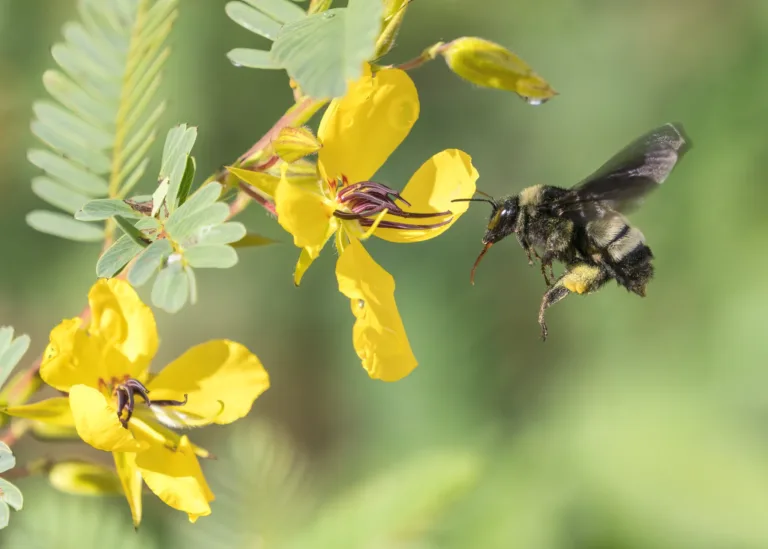
Congratulations to all the winners of the 2023 contests – video, photography, and chapter newsletter.
November 2023 Plants of the Month
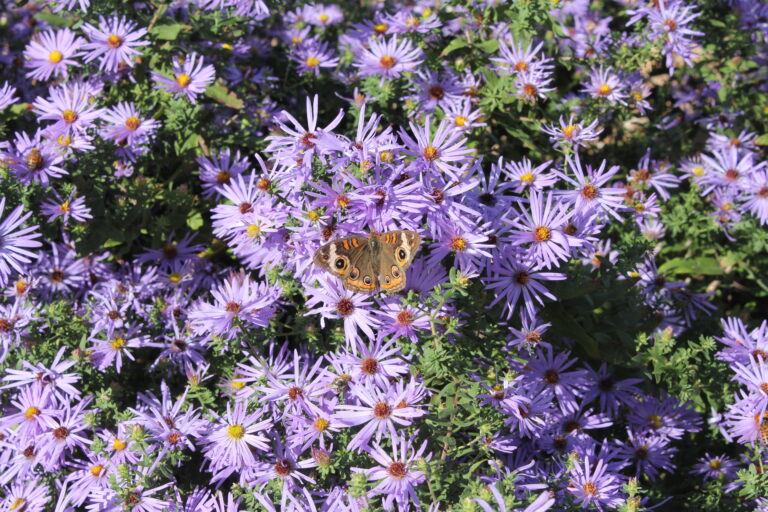
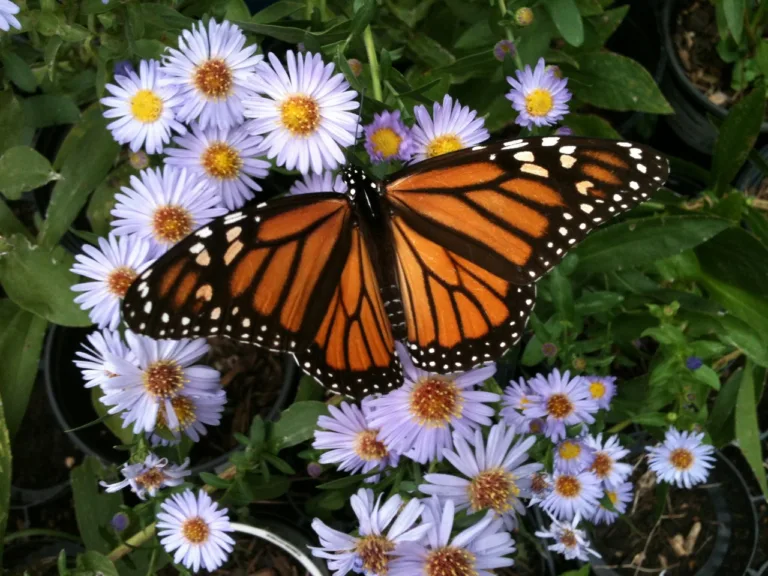
Fall blooms just in time for migrating pollinators.Click on the plants below for more details

More Funding for Texas Parks
Ballots have been tallied and voters have made it clear—state parks matter to the people of Texas! Proposition 14, which creates the Centennial Parks Conservation Fund, passed with overwhelming support from Texas voters. “The Texas Parks and Wildlife Commission extends its deepest gratitude to the people of Texas for voting

Explore the Fredericksburg Nature Center
Catch a vision of how to view the areas of your garden. Through technical difficulties we didn’t manage to create a YouTube video, but we did capture a phone video. Create your own Nature Center with all you can glean from this exploration.
Seedsgiving & Volunteer Appreciation Event
Instead of a meeting, the Dallas chapter is having a social event to give appreciation to our volunteers by providing light appetizers and swapping seeds if you have them. Join us at Ozona Grill & Bar 4615 Greenville Ave, Dallas, TX 75206 on Monday, November 20, 2023 from 7pm-9:30pm. Just

Fall Symposium Online Auction Live Now Through 11/11 for Bidding
We have introduced an online auction feature to the 2023 Fall Symposium that is accessible to everyone online! It features four special packages designed with plant lovers in mind, and you do not need to be a Fall Symposium registrant or a NPSOT Member to bid. You could win items
Fall 2023 Member Magazine
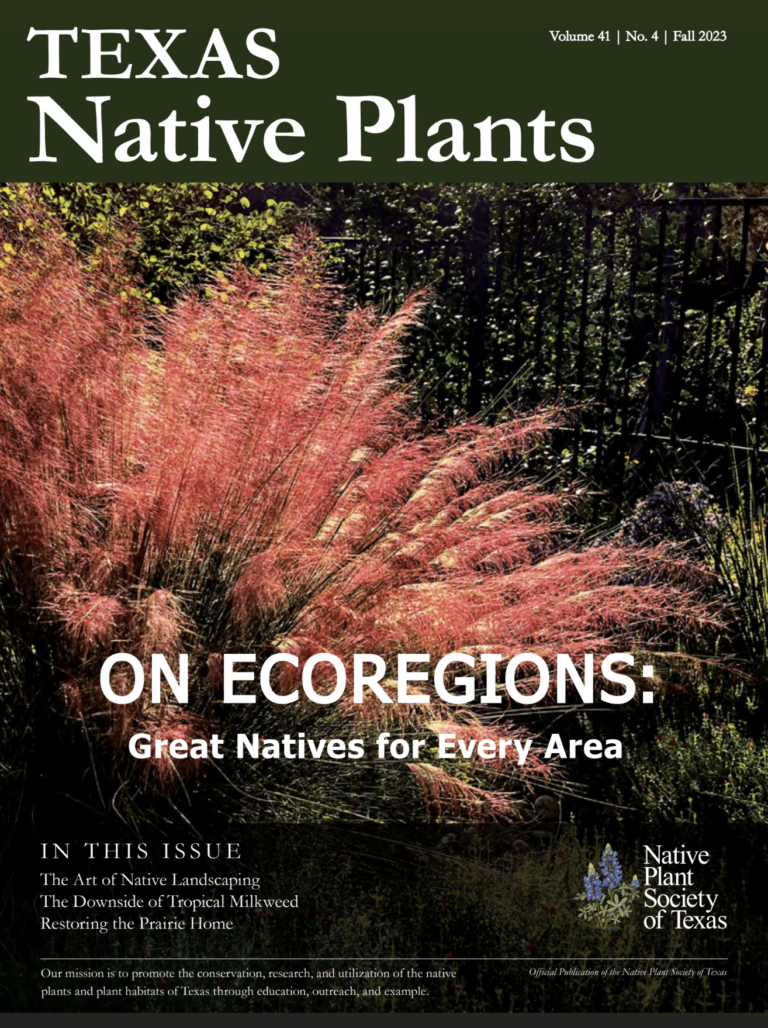
Texas really IS like a whole ‘nother country. Its sheer size, variety of terrain, and biological diversity is staggering. The great Lone Star state contains barrier islands and coastal lowlands, large river floodplain forests, rolling plains and plateaus, forested hills, deserts, and a wide variety of aquatic habitats.
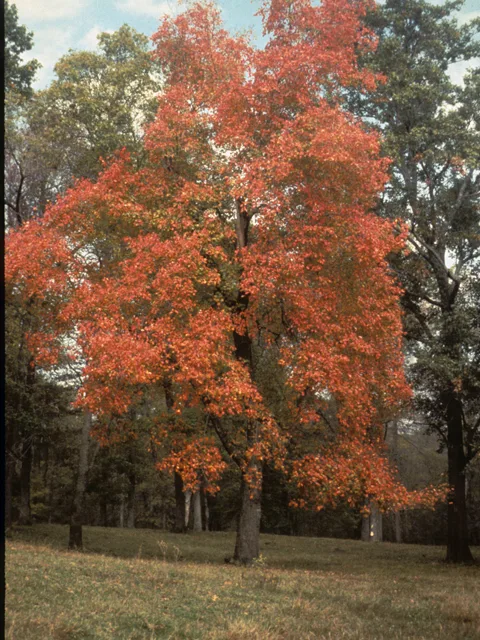
Autumn Leaves: Four Native Trees for Your North Texas Landscape
Texas Arbor Day is November 3 and a great time to consider native North Texas trees for your landscape. We review four readily available native that are hardy and bound to be a long-term asset to your landscape.

Surviving Drought in Central Texas
Andy Blair – Building Climate Resiliency into your landscape by planting natives and nurturing the soil.
How Some Native Plants Fared This Summer in San Antonio
Member Jay Collins shares his observations on how his native plants fared this summer.
