

Fall Symposium Comings and Goings
We are looking forward to seeing you at the fall symposium in Nacogdoches on November 9 – 12! Catch up with your native plant pals at the Meet and Greet at Fredonia Brewery on Thursday evening. Field trips Field trips are a favorite of the fall symposium! Check out the
Fall Symposium 2023
The NPSOT 2023 Fall Symposium is coming to Nacogdoches, Texas November 9-11! This year’s event will take place at the historic Fredonia Hotel and Convention Center and will focus on conserving plants native to the Pineywoods Ecoregion of East Texas. Event Overview The Fredonia Hotel and Convention Center will serve

Announcing H-E-B Native Plant Sales in Collaboration with NPSOT
In celebration of Texas Native Plant Week (Oct 15-21), we are excited to announce a collaboration with H-E-B to feature Texas native plants at their stores. Starting this week, participating Texas Backyard H-E-B stores throughout the state will be selling the following four Texas native plants: Rock Rose, Mealy Blue Sage,
Announcing H-E-B Native Plant Sales in Collaboration with NPSOT
In celebration of Texas Native Plant Week (Oct 15-21), we are excited to announce a collaboration with H-E-B to feature Texas native plants at their stores. Starting this week, participating Texas Backyard H-E-B stores throughout the state will be selling the following four Texas native plants: Rock Rose, Mealy Blue Sage,
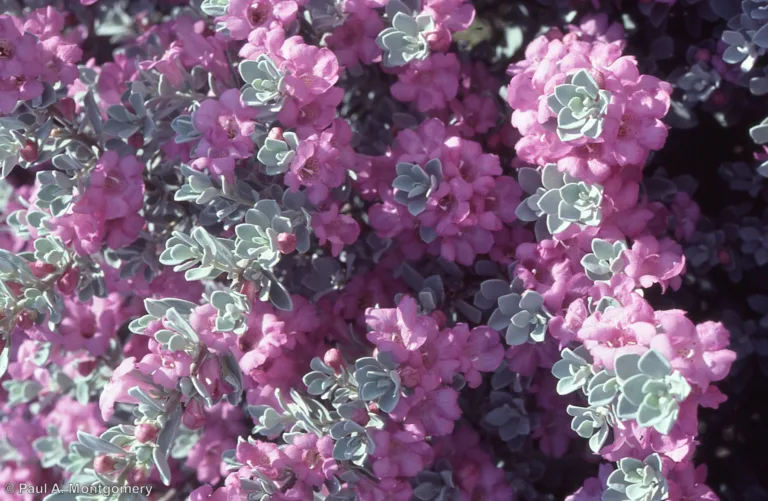
October 2023 Plants of the Month
Fall plants that feed migrating wildlifeClick on the plants below for more details
Gardening Tips, Hints and Hacks October 2023
Planting method for dry, moderately drain soils.
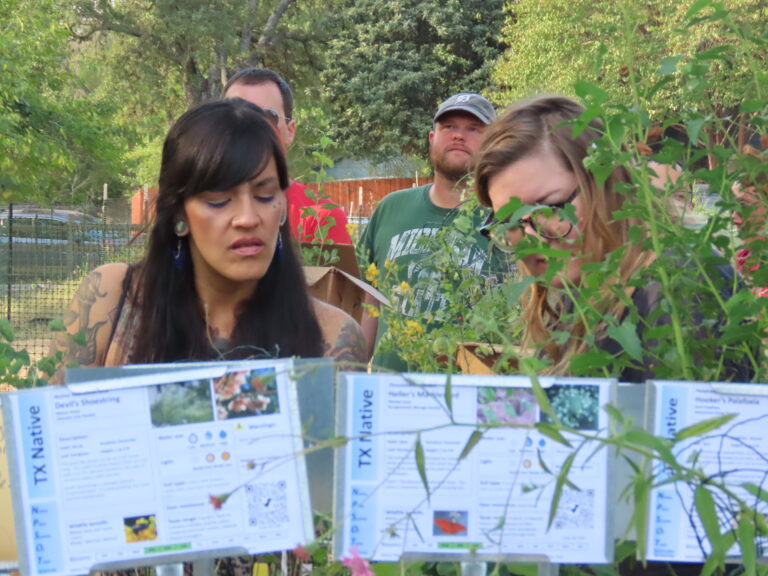
Fall Plant Sale is Here – Saturday October 7
The Austin NPSOT Plant Sale is here, October 7, 2023 from 10-2 PM at Dowell Ranch Preserve. Read more details and look at the plant list.
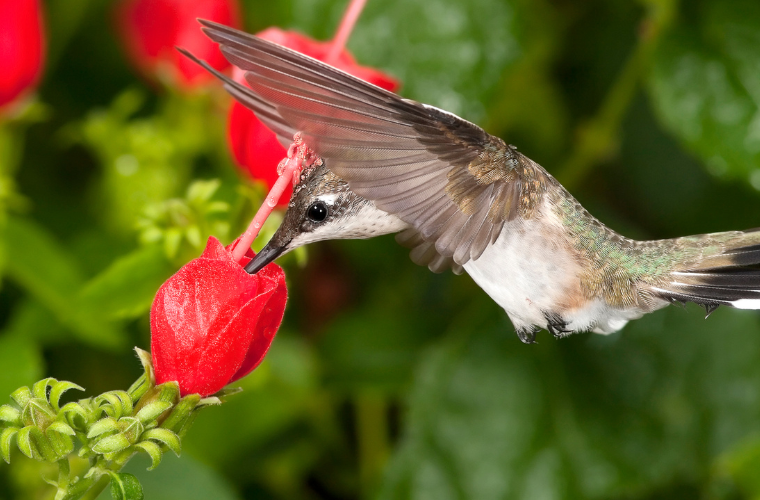
Fall Plant Sale on October 20-21, 2023
The Clear Lake Chapter’s fall plant sale is scheduled for October 20 and October 21.
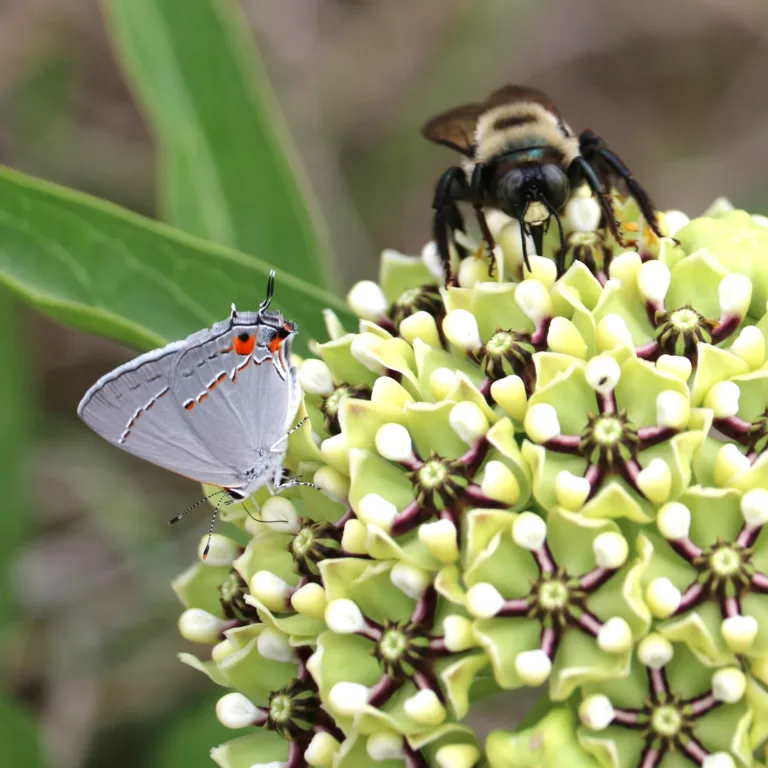
Native Plant Sale, September 30 and October 1, 2023 (local native plant nursery)
Hosted by NPSOT-SA Member Jerry Morrisey
