

Discover Friends of the Fredericksburg Nature Center
“I’m excited to talk about the Fredericksburg Nature Center and the Friends’ plans to construct an Interpretive Center at the park, which will include a meeting venue, educational programming space, exhibits, expanded native plant gardens, and a children’s play area,” noted Lonnie Childs, the October speaker for the chapter monthly meeting. “The new Interpretive Center will be a center for environmental education with a specific emphasis on children.”
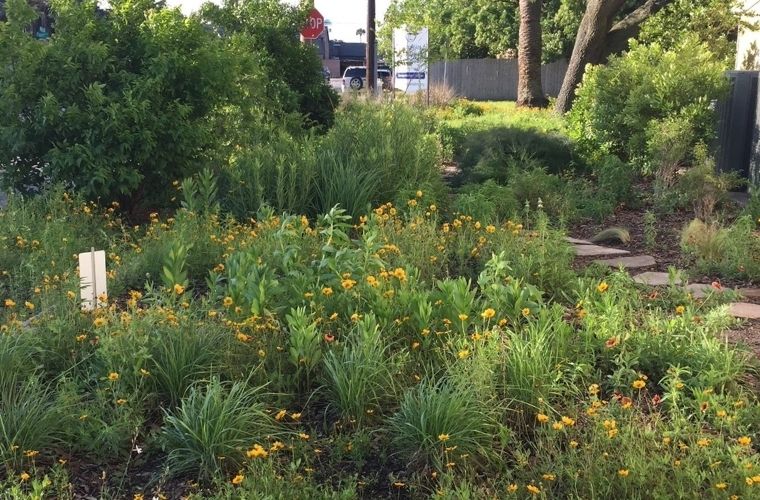
Six Projects Awarded a Native Pollinator Habitat Grant
Clear Lake—We are thrilled to announce the six grant winners for our chapter’s Native Pollinator Habitat Grant Program.
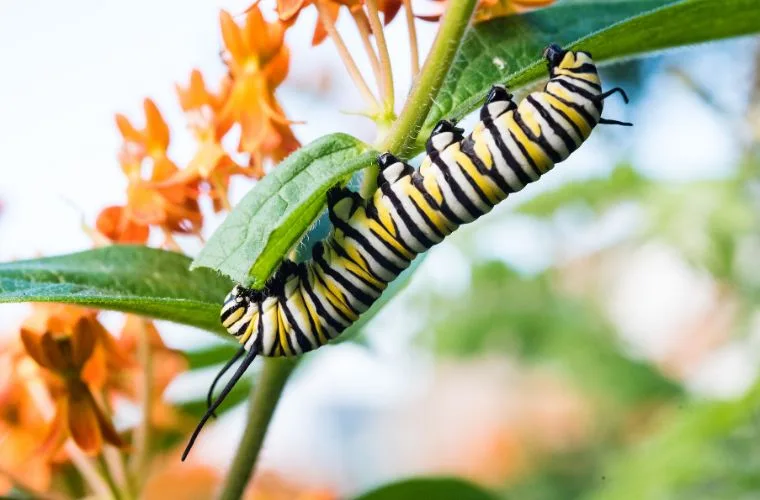
Chapter Meeting: OE in Monarchs and What You Can Do to Reduce It
Greg and Linda Pearson will delve into the world of Ophryocystis elektroscirrha (OE) and its profound impact on our beloved Monarch butterflies.
Mealy Blue Sage, Pollinator Plant of the Year 2023
Learn how to care for this wonderful native salvia!
Chapter Meeting Nov 7
As usual, the meeting will start with a social time at 6:00pm, at the Cibolo Nature Center Auditorium. Announcement will begin at 6:45pm, followed by the presentation. David M Vaughan will talk about how to properly plant and prune a containerized tree. David is the owner and consulting arborist of

Native Plant Week – Native Plant Sale and Urban Forest Presentation
Celebrate Native Plant Week at the Native Plant Society of Texas Fall Native Plant sale Saturday, October 28, 9:00 am on the Burnet Courthouse Square. Locally grown native trees, shrubs and plants will be available. Experienced gardeners will be on hand to answer questions on choosing the right native plant for
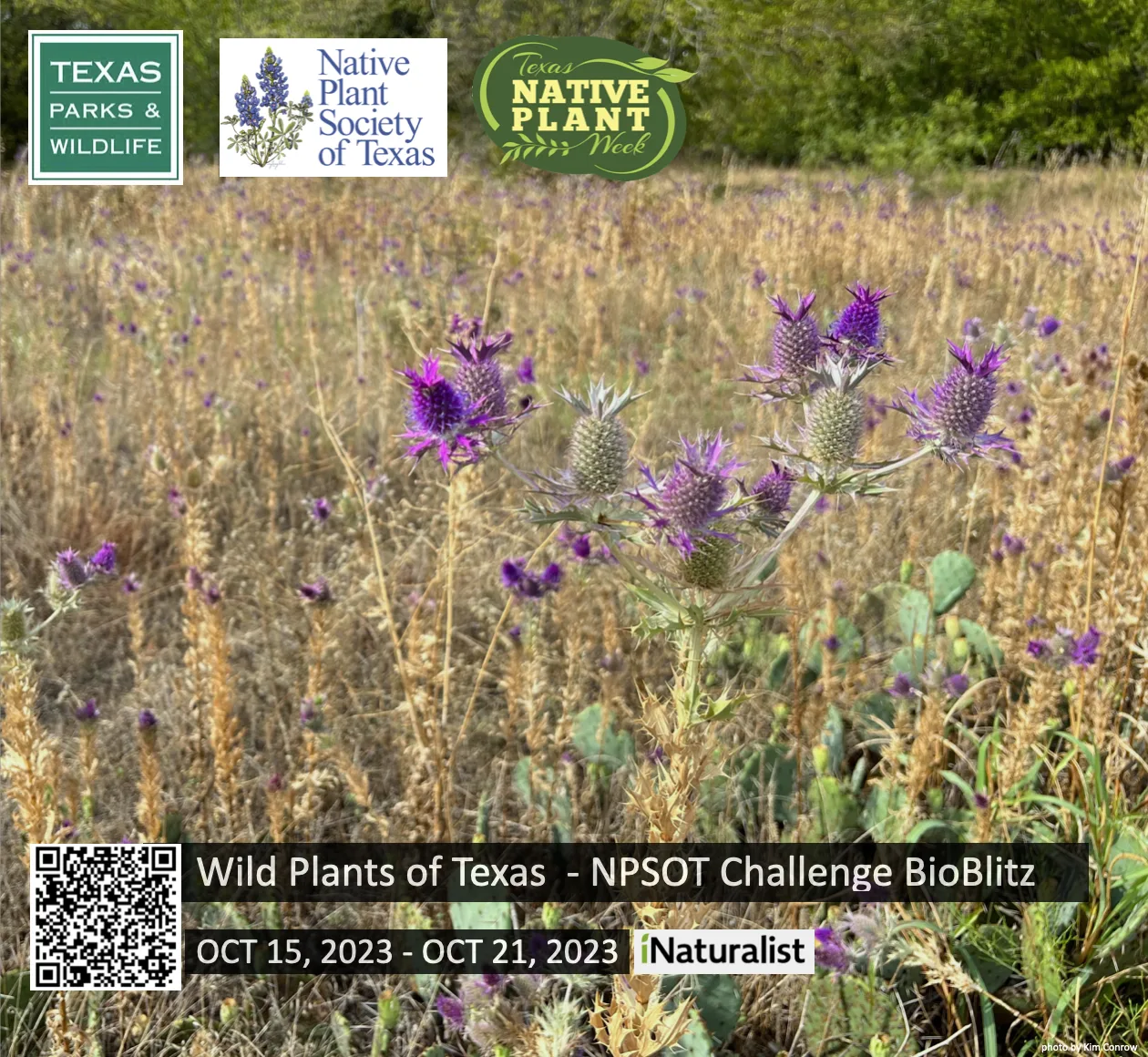
Wild Plants of Texas NPSOT Challenge Bioblitz 2023
As in the past years, we’ve wanted to see plants that are wild (not the ones planted in our landscapes) — I know folks love to show off their native plant gardens, and those are fantastic, but those plants have to be marked as “cultivated” even though they’re native. This
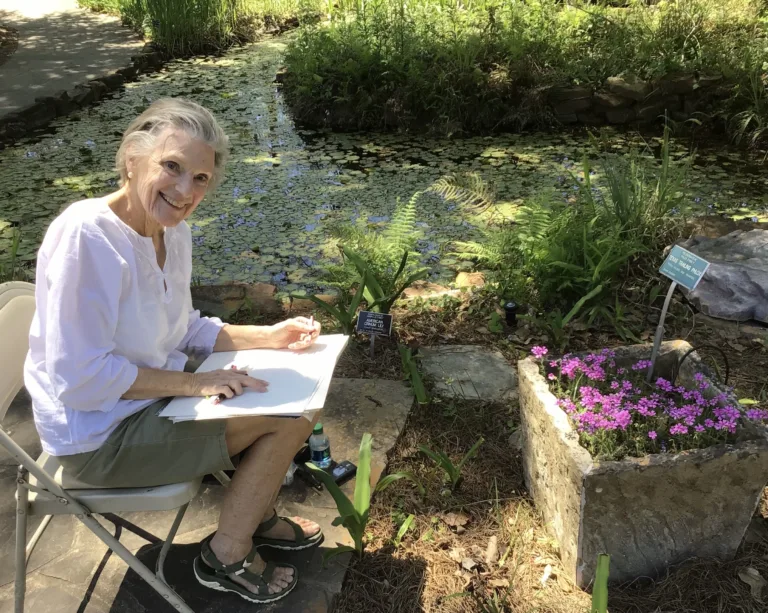
Annual awards announced for 2023
Every year the Native Plant Society of Texas recognizes organizations and individuals that advance our mission. Their work will be honored during our 2023 Pineywoods Symposium to be held November 9-12, in Nacogdoches, Texas.
Wild Plants of Texas NPSOT challenge Bioblitz 2023
As in the past years, we’ve wanted to see plants that are wild (not the ones planted in our landscapes) — I know folks love to show off their native plant gardens, and those are fantastic, but those plants have to be marked as “cultivated” even though they’re native. This
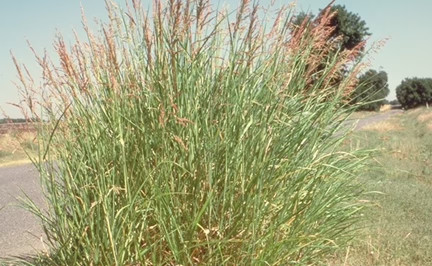
Battling Invasives: The Destructive Johnsongrass
Native plants are vital in sustaining the delicate balance of our North Texas ecosystem. Their presence creates biodiversity, offers shelter and sustenance to wildlife, mitigates soil erosion, and assists in regulating the water table. Our region’s ecosystems, along with many others in North America, are threatened by a wide variety
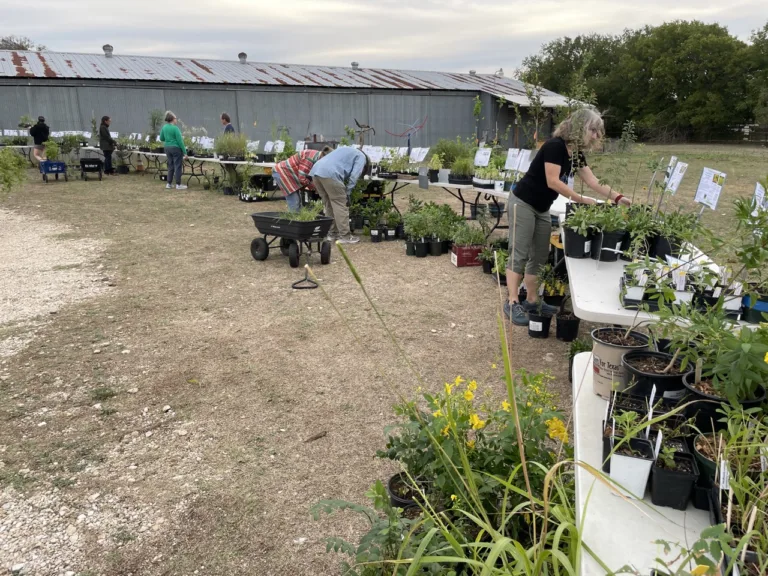
Austin Plant Sale 2023 Review
The Austin NPSOT Plant sale was on October 7, 2023 at Dowell Ranch, and was a great success! This was our first year at our partner NPAT’s property at Dowell Ranch, and the location was excellent, with ample parking right next to the sale area. The sales area was more
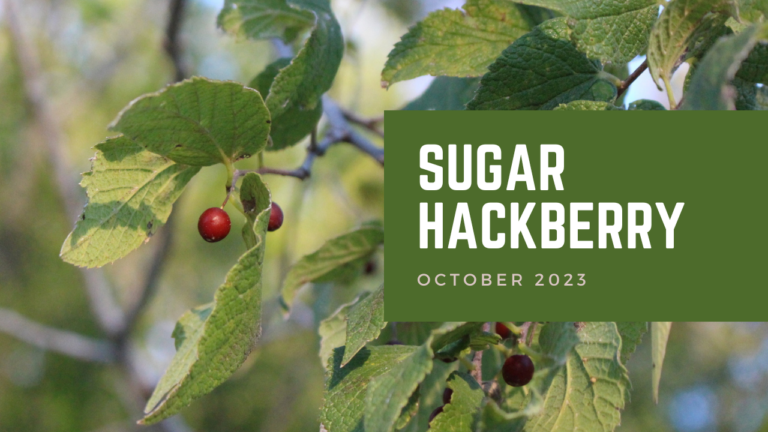
Plant of the Month: Sugar Hackberry
Our plant of the month for October 2023 is a “favorite” among robins, mockingbirds, and other songbirds.
Botanical name: Celtis laevigata
Common name(s): Sugar Hackberry, Texas Sugarberry, Sugarberry, Palo Blanco
