

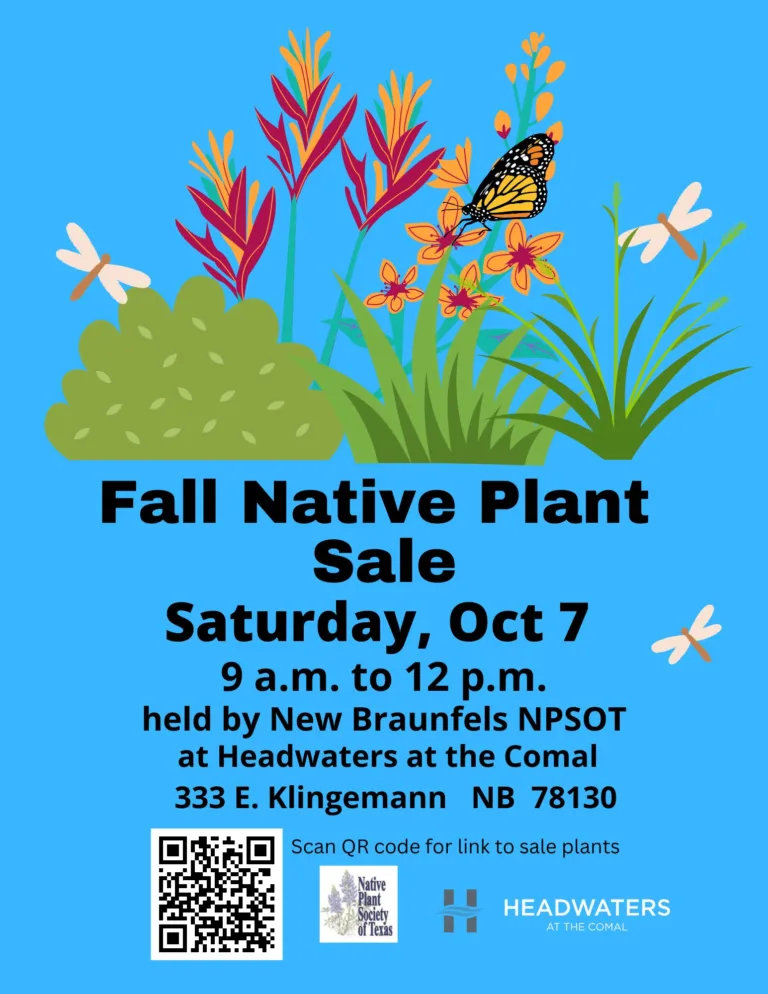
Fall Plant Sale 2023 – proven plants for New Braunfels
Deedy Wright provides details about the plants for the Fall 2023 plant sale. These plants are proven winners for the New Braunfels area. It is a good place to get started with your ‘wish list’.
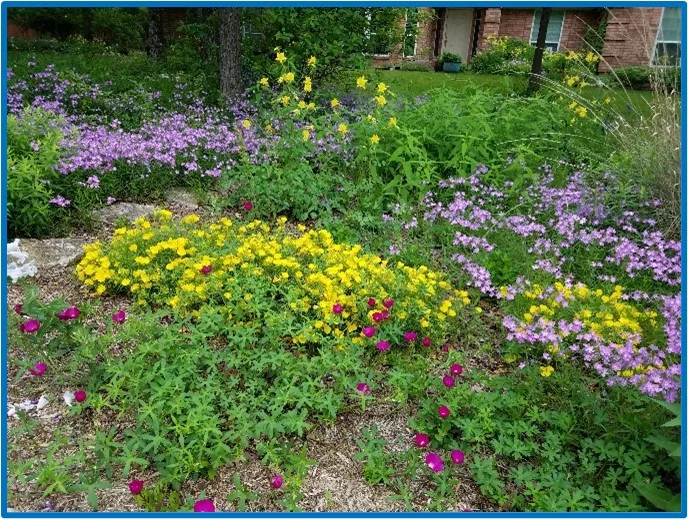
Spring Plant Sale May 3, 2025
When: Saturday, May 3, 2025 Where: Randol Mill Park Pavilion, Arlington TX Time: 10:00 am – 12:30 pm Click here to sign up to volunteer at this plant sale. Many of our chapter members are providing plants and we are expecting to have over 1200 locally grown native plants for


NICE Fall 2023 Plant of the Season
Inland Sea Oats (Chasmanthium latifolium): Ornamental Grass for ShadeDescription: Inland Sea Oats is a low-maintenance grass that thrives in the shade. It is a clump forming, perennial grass that grows between 2-4 feet tall. It has large,drooping seed heads with a chevron pattern. Its slender arching branches have blue-green leaves

Join Our Team: Volunteer Opportunities Await!
Our chapter actively seeks enthusiastic volunteers to be part of our digital community. Whether you are tech-savvy or just eager to learn, you can help make a difference for our chapter. We need assistance administering and maintaining our web pages and Facebook group, along with video editing and posting. No
Chapter Meeting: How the Native Plants of North America Can Be a Useful Resource to You
Joe Marcus will cover the history of the Lady Bird Johnson Wildflower Center’s Native Plants of North America (NPONA) resource, the current state of the resource, and upcoming changes.

Book Sale
Wildscapes Workshop will be selling books relevant to growing native habitat, including award-winning titles from our keynote speaker Heather Holm!
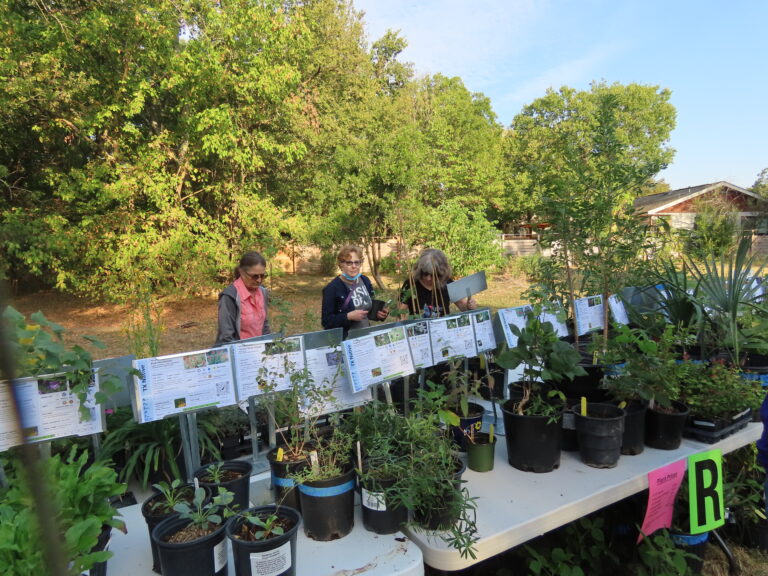
Fall Plant Sale is Coming
NPSOT Austin’s fall plant sale fundraiser will be on Saturday, October 7, 2023. Starting this fall, the plant sale will be held at a new location: Dowell Ranch. Keep an eye on the plant sale webpage to stay up to date on all the plant sale details. The plant list
Fall Plant Sale NPSOT Dallas – Oct 7, 2023
We will be hosting our Fall Plant Sale on October 7, 2023 from 9am till noon, at the Gaston Christian Center – 8515 Greenville Avenue, Dallas, TX 75243 (Google map link: https://goo.gl/maps/f56RmuSnjn9Z6RQQ6 ) See our PLANT SALE PAGE for more info and a list of available plants.
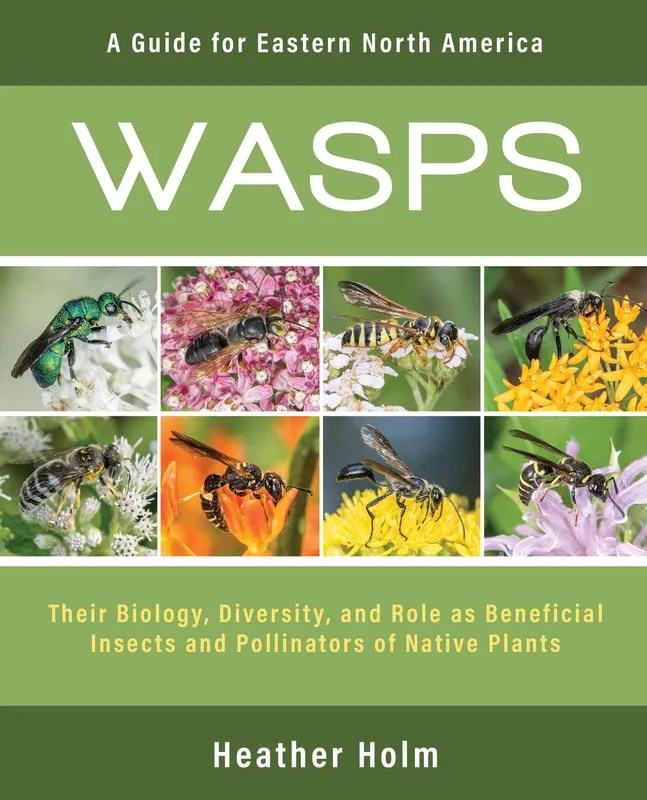
Agenda
Wildscapes Workshop features expert speakers who will inform and delight us with their knowledge of some of our most under-appreciated garden visitors.
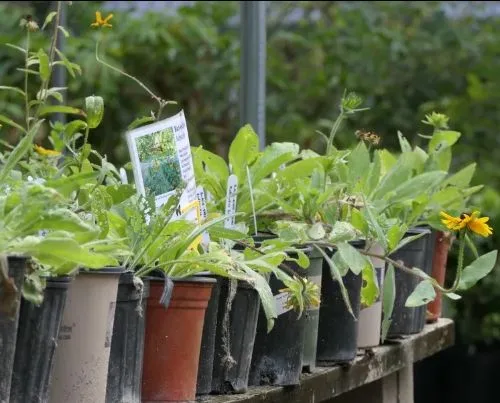
Fall Native Plant Sales in the Houston-Galveston Area
Upcoming native plant sales in the Houston-Galveston area.
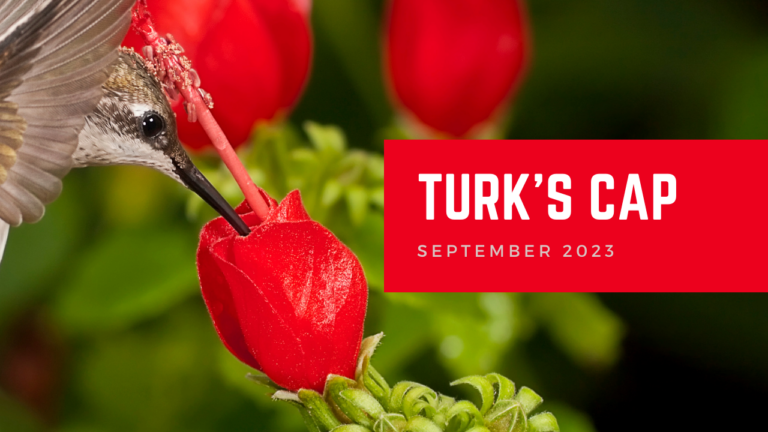
Plant of the Month: Turk’s Cap
Our plant of the month for September 2023 is a shade-loving perennial.
Botanical name: Malvaviscus arboreus var. drummondii
Common name(s): Turk’s Cap, Wax Mallow, Red Mallow, Texas Mallow, Mexican Apple, Sleeping Hibiscus, Bleeding Hearts, Manzanita
