Clear Lake Chapter

Chapter Meeting: OE in Monarchs and What You Can Do to Reduce It

October 9, 2023

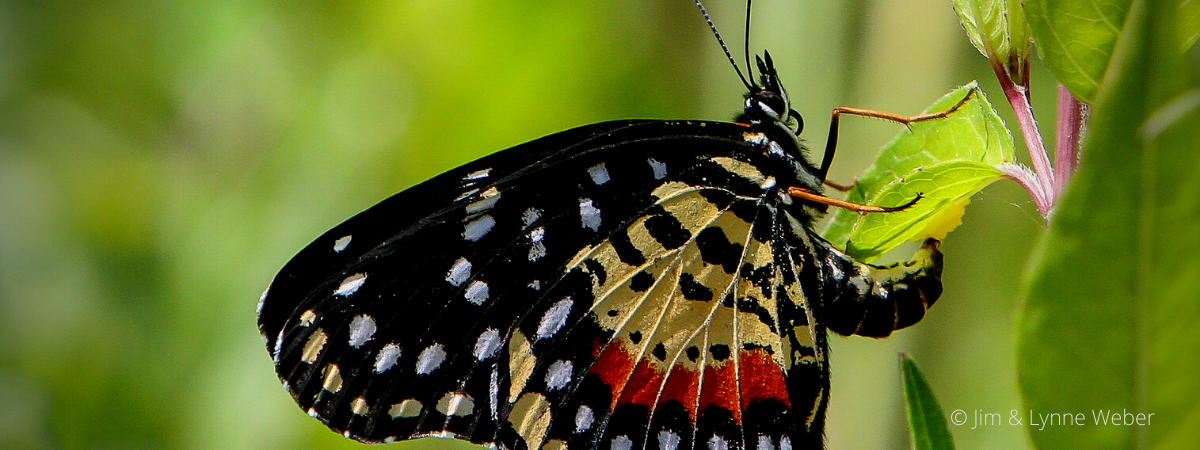
Join us for an informative evening as we delve into the world of Ophryocystis elektroscirrha (OE) and its profound impact on our beloved Monarch butterflies. This talk by Linda and Greg Pearson provides insights into OE, from its transmission and effects on Monarchs to practical steps we can take to mitigate its spread. Greg also spends some time on how to propagate native milkweed, which is not only a Monarch’s lifeline but also a beautiful addition to your garden. Tips, techniques, and best practices are shared to help you successfully grow milkweed in your own space.

About the Speakers

Hailing from Bloomington, Ill., Linda Pearson followed her academic pursuits at ASU and the University of Illinois, earning both a BS and an MS in chemistry. She’s not only a Master Gardener but also a dedicated member of the Native Plant Society.

Greg Pearson, originally from Denver, Colo., holds a BS and PhD in chemistry from the University of Northern Colorado and the University of Illinois, respectively. He’s an active member of the Native Plant Society and Chair of the chapter’s NICE Partners Program. Greg’s passion for Monarch butterflies is evident in his milkweed propagation workshops.

Together, Greg and Linda share a love for exploring new places and cultures. Their experience at the Monarch wintering grounds in Mexico sparked a profound interest in these magnificent creatures. Now, as advocates for Monarchs, they are committed to preserving their habitats and contributing to citizen science projects that monitor Monarchs. Their dedication and expertise make them invaluable assets to our community’s Monarch conservation efforts.

Hosted by the Environmental Institute of Houston, University of Houston-Clear Lake

Related Posts

About the Region

2026 Fall Symposium Logo

This low-elevations region of Texas extends inland from the barrier islands, about 60 or so miles, and stretches from Brownsville to Louisiana. In total, it covers about 9.5 million acres, with a high point of 150 feet in elevation. More than 1000 species of plants can be found in this region. On the southern end, species more common in Mexico (such as Sabal mexicana) and Central America occur.

The barrier islands provide us with dune systems, and clay flats to the inland side, which have species found in these areas alone. Many plants here, such as Ipomoea pes-caprae (beach morning glory), can be found throughout tropical regions of the globe. I’ve encountered the same species on the beaches of Guam.

Once inland, vast marshes and wet prairies occur. Occasionally, oak (Quercus fusiformis) groves can be found. Common grasses include species of Bothriochloa, Paspalum, and Sporobolus; eastern gamagrass (Tripsacum dactyloides); and switchgrass (Panicum species). Many rivers and creeks cut through the Gulf Prairies, and along these riparian areas various species of trees, Sabal minor, and other plants adapted to clay soils can be found. Due to overgrazing, farming, and fire suppression, woody species such as mesquite (Prosopis glandulosa) and huisache (Acacia farnesiana), and invasive species such as chinaberry (Melia azedarach), Brazilian pepper (Schinus terebinthifolius), and Chinese tallow (Sapium sebiferum) have increased and displaced our native flora.

Source: Wildflowers of Texas by Michael Eason