Clear Lake Chapter

Chapter Meeting: Houston, we have a solution!

May 8, 2023

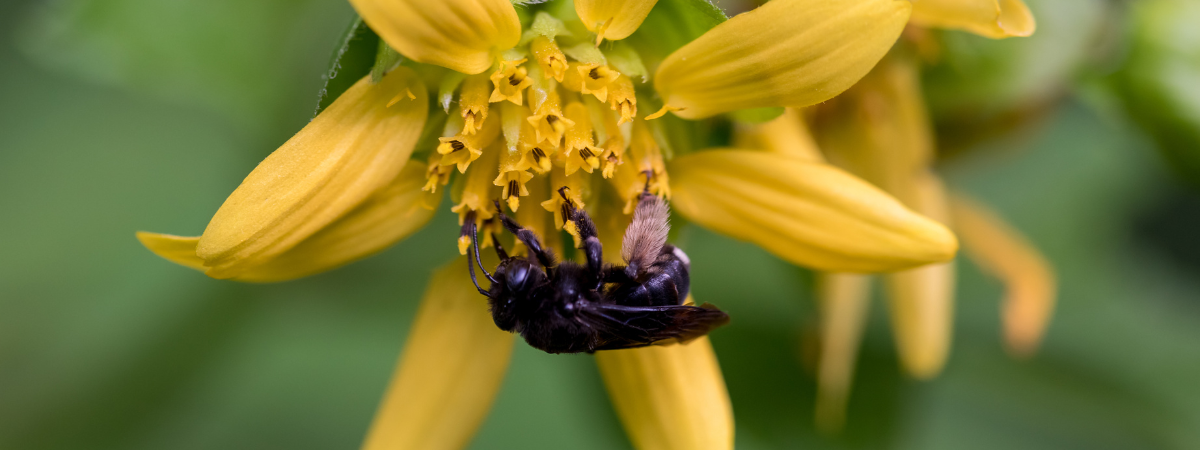
Mark de Kiewiet shares his practical research on how we can mitigate the declining bee and pollinator populations, considering both managed and native bees. He also draws from the work of over 2,000 natural beekeepers in the USA and studies conducted in the 1970s. More recently, Mark has been monitoring the impact of climate on both bees and the plants they pollinate. Should we be doing something about this? Combining his Master Naturalist, Master Beekeeper, and native plant knowledge, he has been able to keep the Texas feral bee without the losses reported by others. In his presentation, Mark discusses the Africanization of bees, gardening for pollinators, fascinating aspects of bee biology, and the medical applications of hive products.
About the Speaker

Mark de Kiewiet, a native of South Africa, graduated with engineering and technical management degrees. Although a metallurgist by training, he studied engineering systems and product life cycle issues. His hobbies included hiking, game ranging, and natural beekeeping. He is currently living in Schertz, Texas, with his family.

Hosted by Environmental Institute of Houston, University of Houston-Clear Lake

Related Posts

About the Region

2026 Fall Symposium Logo

This low-elevations region of Texas extends inland from the barrier islands, about 60 or so miles, and stretches from Brownsville to Louisiana. In total, it covers about 9.5 million acres, with a high point of 150 feet in elevation. More than 1000 species of plants can be found in this region. On the southern end, species more common in Mexico (such as Sabal mexicana) and Central America occur.

The barrier islands provide us with dune systems, and clay flats to the inland side, which have species found in these areas alone. Many plants here, such as Ipomoea pes-caprae (beach morning glory), can be found throughout tropical regions of the globe. I’ve encountered the same species on the beaches of Guam.

Once inland, vast marshes and wet prairies occur. Occasionally, oak (Quercus fusiformis) groves can be found. Common grasses include species of Bothriochloa, Paspalum, and Sporobolus; eastern gamagrass (Tripsacum dactyloides); and switchgrass (Panicum species). Many rivers and creeks cut through the Gulf Prairies, and along these riparian areas various species of trees, Sabal minor, and other plants adapted to clay soils can be found. Due to overgrazing, farming, and fire suppression, woody species such as mesquite (Prosopis glandulosa) and huisache (Acacia farnesiana), and invasive species such as chinaberry (Melia azedarach), Brazilian pepper (Schinus terebinthifolius), and Chinese tallow (Sapium sebiferum) have increased and displaced our native flora.

Source: Wildflowers of Texas by Michael Eason