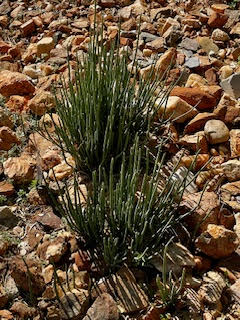
Chapter Meeting: Native Plant Society of Texas—Who are we and what can we do for you?
Carol Clark will give an overview of programs offered at the state level, and the perks, events, and benefits that local chapters provide.
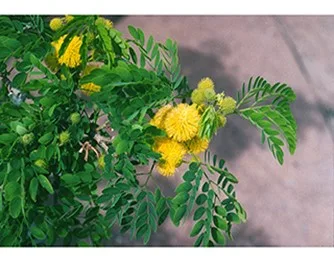
Goldenball Lead Tree -NICE Plant for Winter 2023-24
Goldenball Leadtree: a DELIGHTFUL small tree to plant this winter – by Cindy Anderson The drought we’ve been experiencing for the past few years has many of us hesitating to buy new plants. But TREES are vitally important to our planet – the more the better. Trees purify the air
President’s Letter – January 2024
President’s Letter – January 2024 The January 2024 President’s Letter has been published. Be sure to add all of the upcoming events to your calendar.
President’s Letter – December 2023
The December 2023 President’s Letter has been published. Be sure to add all of the upcoming events listed to your calendar.
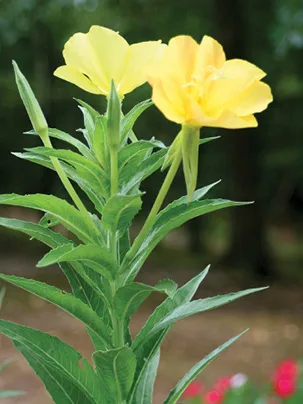
Container Gardening with Native Plants
By Rebecca Bowden Narramore, Caddo Wildflower Chapter Many gardeners likely plant natives directly in the soil, but I decided to experiment with natives in containers. My first choice was Hooker’s Evening Primrose (Oenothera elata) which I purchased a few years ago at the local plant sale held by the Caddo
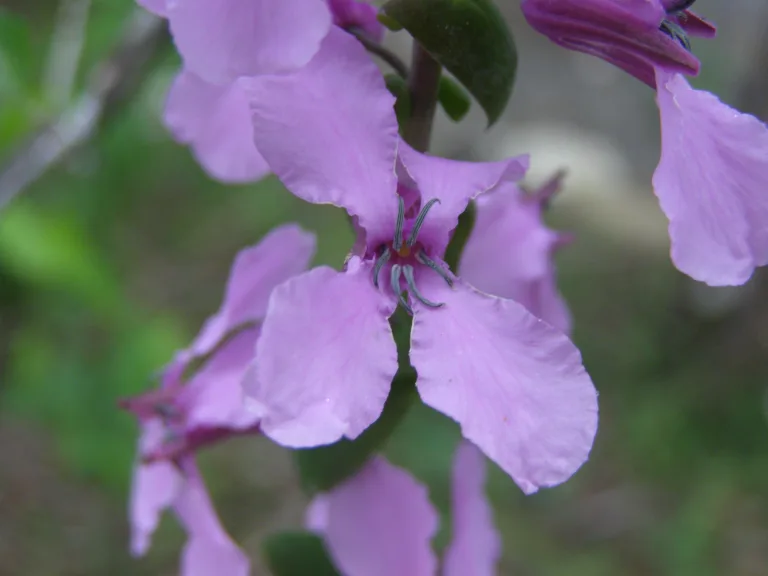
A Rare Texas Native-Conservation of the Bracted Twistflower (Streptanthus bracteatus)
February 2024 Presentation by Wendy Leonard. A Rare Texas Native-Conservation of the Bracted Twistflower (Streptanthus bracteatus)
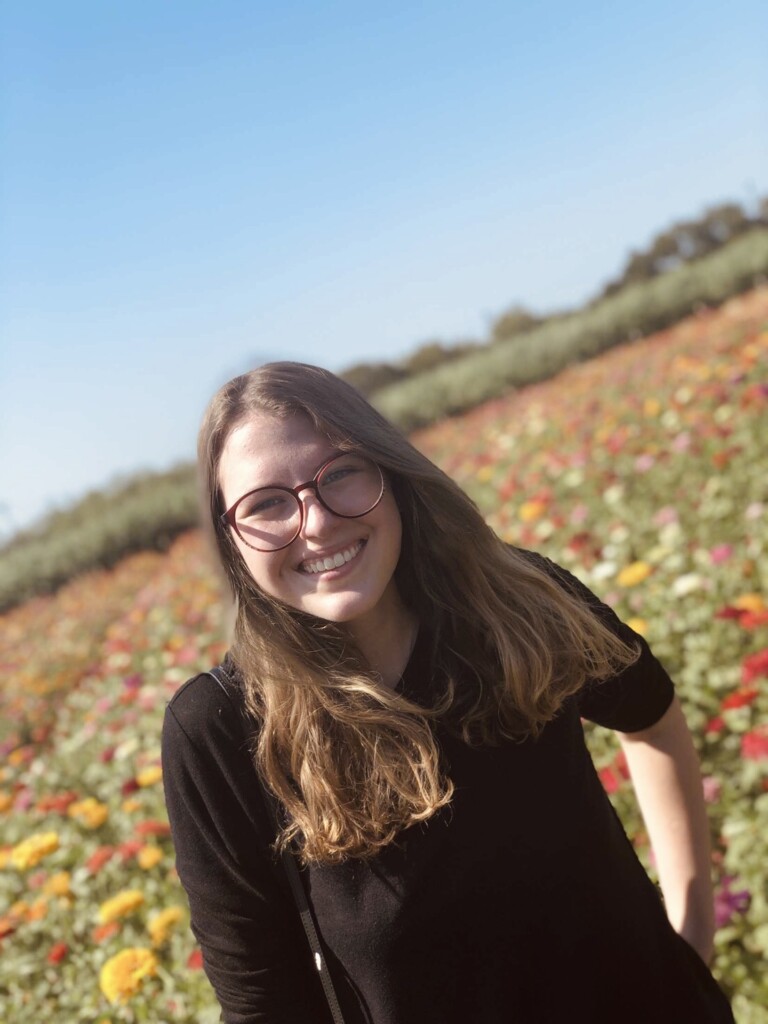
2024 Undergraduate Scholarship Applications Open February 1
ACCEPTING APPLICATIONS February 1 – March 16, 2024 The Native Plant Society of Texas is offering two undergraduate student awards: the Dr. Alfred Richardson Undergraduate Scholarship and the Kate Hillhouse Undergraduate Scholarship. Applications can be accessed on the Scholarships page after February 1. Both scholarships are available to biology and ecology
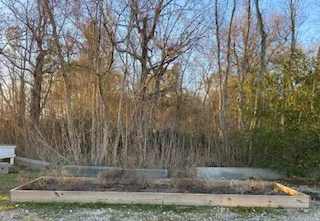
Girl Scouts learn about pollinator gardens
Girl Scout Troop 130464- 5 girls and 3 moms including leader Analida Ingraham visited during our December meeting. The girls reported they were working on their Silver Award. Their project for this award is making a pollinator garden at the entry to Cattail Marsh. They would like us to consult
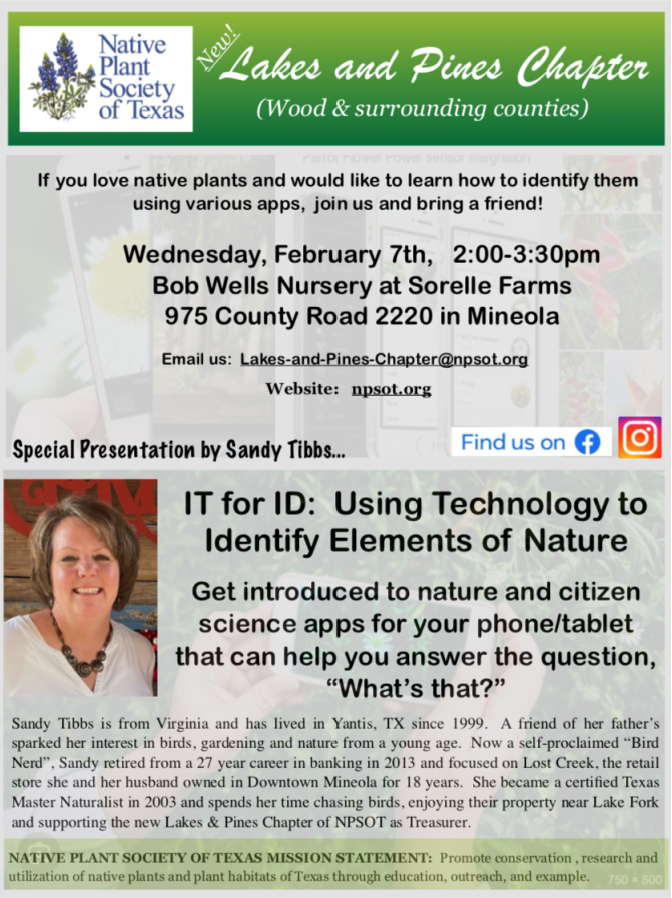
Feb. 7 – IT to ID: Using Technology to Identify Elements of Nature – Sandy Tibbs
Lakes and Pines Chapter Meeting – Topic: “IT to ID: Using Technology to Identify the Elements of Nature” – Presented by Sandy Tibbs
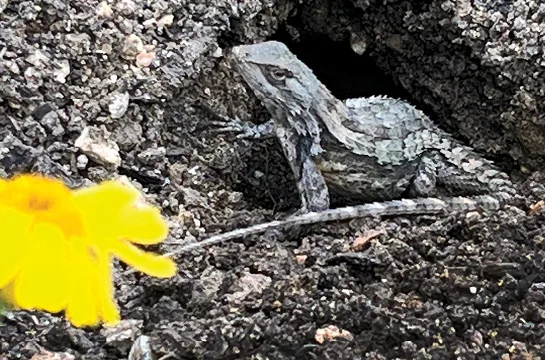
The Art of Native Plant Landscaping: From Mistakes to Mastery
Gardening has charmed me since I was a child. However, I’ve never really been a great gardener. Weeds make me crazy; fertilizer intimidates me, bugs gross me out. I’ve always wanted to be one of those people who could be on an outdoor walk and casually name all the plants I come across. My mom is like that. This is the story of how a garden brought me closer to being that person, how it taught me so much, including how to let go of control, and how it practically saved my life.
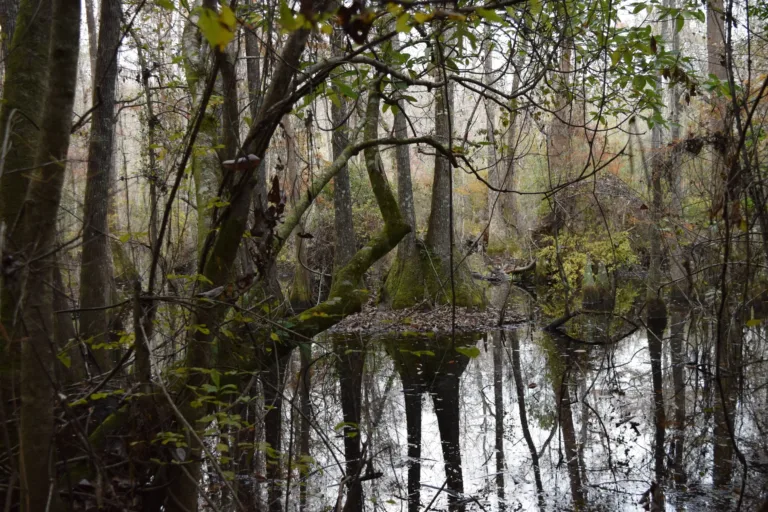
NPSOT Grant to Big Thicket Biosphere Reserve
The State Office of the Native Plant Society of Texas selected the Beaumont Chapter to support the Big Thicket Biosphere Reserve with a $700 Conservation Partner Grant to use on a project using or promoting native plants. The mission of the Big Thicket Biosphere Reserve is to develop community-based partnerships