

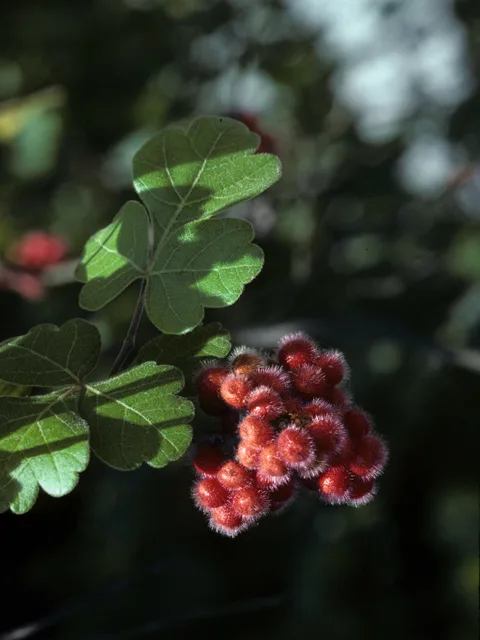
An Unsung Hero of Texas Gardens – The Fragrant Sumac
For some, the name “sumac” can conjure up negative connotations. Whether it was past encounters with Poison Sumac (not found in North Texas) or the invasive Chinese Sumac, many people hesitate to bring Sumacs into their gardens. However, Fragrant or Aromatic Sumac (Rhus aromatica) is a versatile native shrub, offering
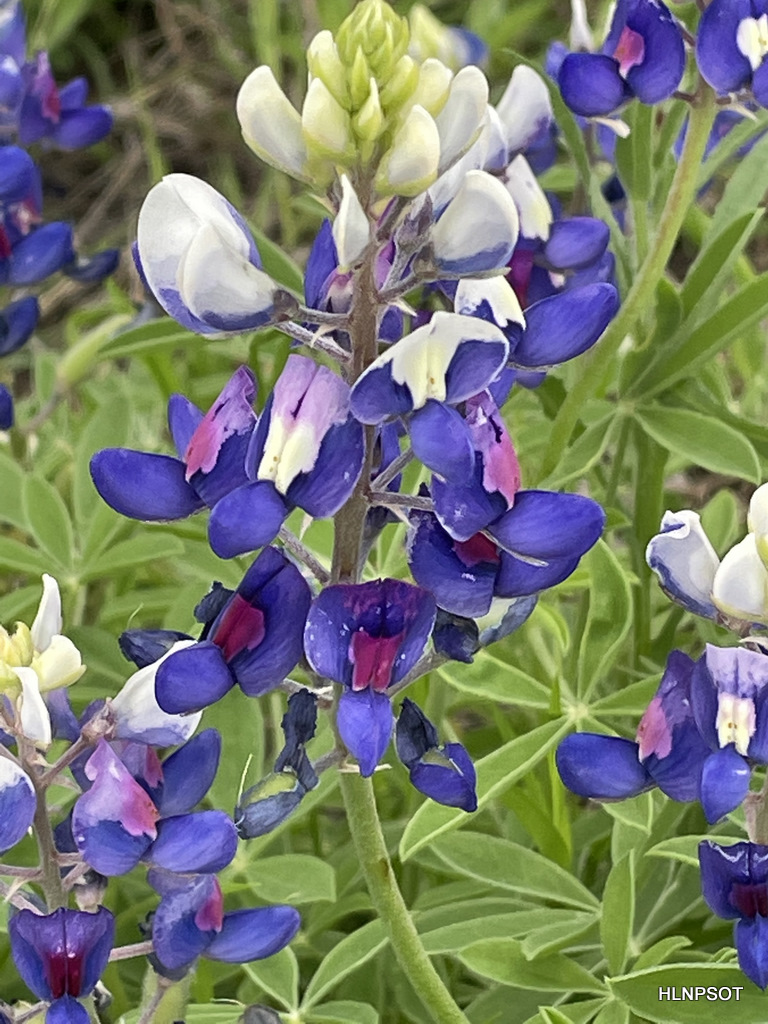
Texas Bluebonnet – Lupinus texenis
Texas Bluebonnet Lupinus texensis February 2023 Plant of the Month Our February Plant of the Month-The Texas Bluebonnet. Who knew the beautiful Bluebonnet could cause a 70-year battle? In March 1901 the Texas Legislature adopted Lupinus subcarnosus as the state flower. At the time, the legislators were unaware of another

NPSOT Dallas March 18, 2024 meeting with Dusty Rhoads: “Prairie in Your Pocket – How Folks Can Restore the Texas Horned Lizard with Native Plants”
Many folks remember seeing Horned Lizards (aka “Horny Toads”) in bygone decades, including here in Dallas. This talk explores how everyday Texans can use native plants to link, increase, improve, and create populations, habitat, & food webs for the prosperity and “comeback” of the Texas Horned Lizard.
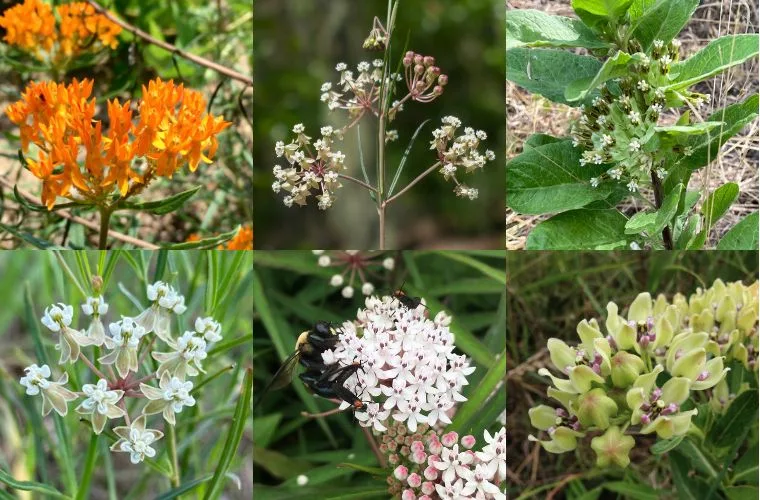
Clear Lake Chapter Hosts Native Milkweed Sale
The Clear Lake Chapter is having a “pop-up” native milkweed sale on Tuesday, February 20, from 9 to 11 a.m. The sale will be at EIH on the UH-Clear Lake campus. Cash only.

NPSOT Dallas February 19, 2024 meeting with Adam Black: Neglected Priorities of the Plant Conservation World
Learning to value the subtle beauty of ungainly low-key species and their critical role in their ecosystem.
Program: Permaculture. February 24, 2024
[from Tom Kennedy, Acting Program Coordinator] Program Title: PermaculturePresenters: Kelon Crawford and Eric HammDate/Time: Saturday, February 24, 2024 at 10:00 a.m.Location: AEP room at the Alpine Public Library The Big Bend Chapter of the Native Plant Society of Texas will host their February program on Saturday, February 24, in the
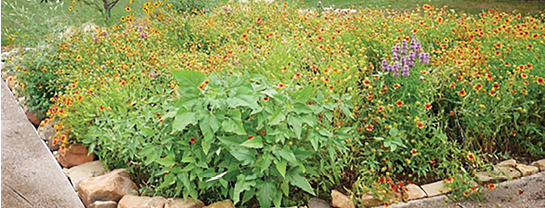
My Journey with Native Plants
By Chelsea Schleifer, Dallas Chapter The first time I put a plant in the ground in Texas, my husband and I had just purchased our first home. The flowerbeds mustached against the front of our home were pathetically empty with only a few struggling Liriope plants, two Crepe Myrtles with
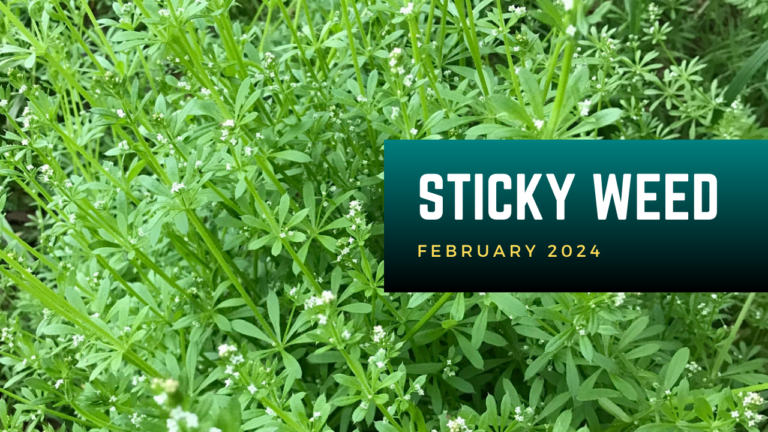
Plant of the Month: Sticky Weed
Is our plant of the month for February 2024 a wildflower or a weed? We’ll let you decide.
Botanical name: Galium aparine
Common name(s): Sticky Weed, Sticky Willy, Sticky Grass, Goosegrass, Catchweed Bedstraw, Cleavers, others
H-E-B and NPSOT Presents: an Our Texas, Our Future film series Saturday, March 9th
The Native Plant Society of Texas, in cooperation with H-E-B, is proud to present five short documentary films about Texas. These films were produced by Fin and Fur Films, the makers of Deep in the Heart: A Texas Wildlife Story. After the screening, there will be a panelist discussion and
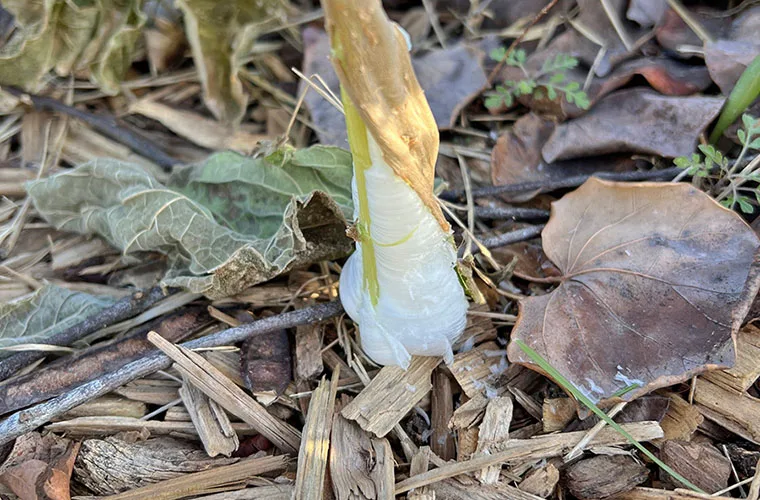
Frostweed Puts on a Winter Show
Frostweed by Meade LeBlanc—If you had Frostweed in your garden, you might have noticed a show a couple of weeks ago during the freezing weather.

Feb. 27: “Native Seed Selection and Planting Tips”
“Reading your land and picking out the right type of native seeds for your particular landscape is just the beginning,” explained George Cates, spokesman for Native American Seed. “Preparing the site and correctly planting the seeds are equally important.

Spring Plant Sale on April 5
The Clear Lake Chapter’s spring plant sale is scheduled for April 5, 2024, from 4 to 7 pm.
