

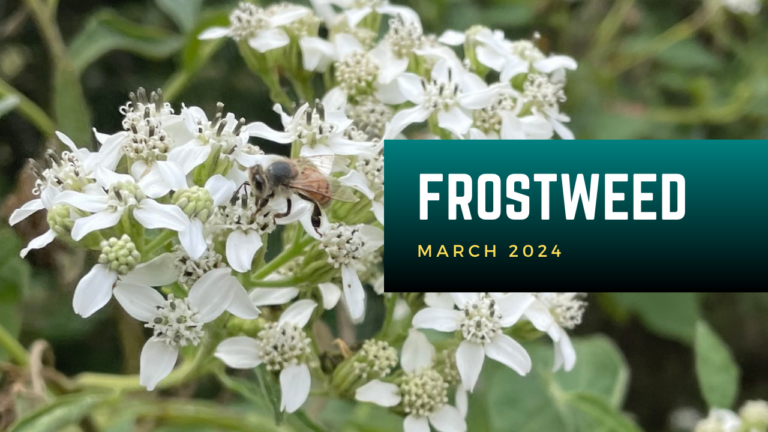
Plant of the Month: Frostweed
Our plant of the month for March 2024 is a little bit icy.
Botanical name: Verbesina virginica
Common name(s): Frostweed, White Crownbeard, Iceplant, Iceweed, Virginia Crownbeard, others
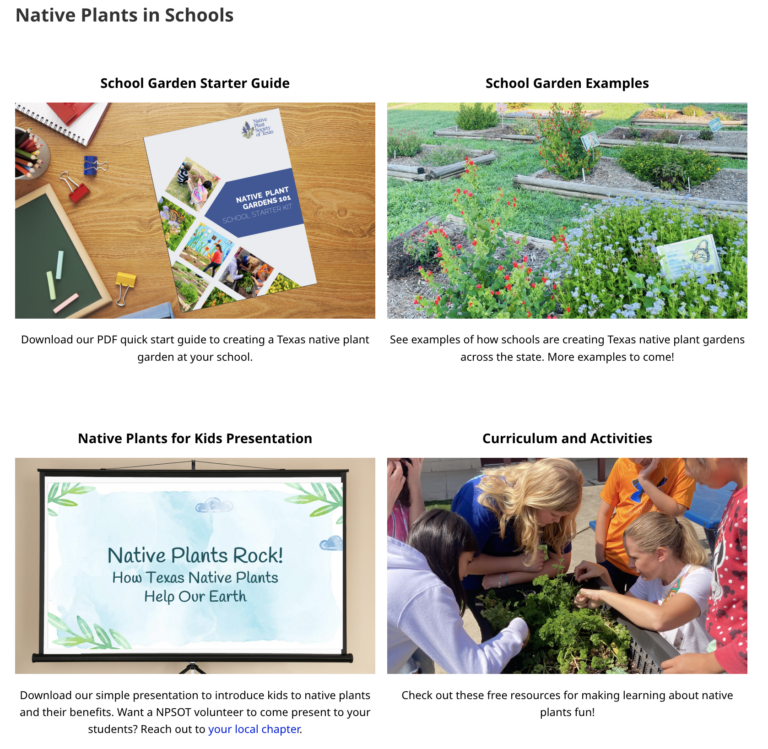
New Resource for You: Native Plants in Schools
Did you know that NPSOT now has resources available to help schools start their own Texas native plant gardens? Check out the new Native Plants in Schools section of our website. There you will find: School Garden Starter Guide – a short PDF guide with plant lists and tips and
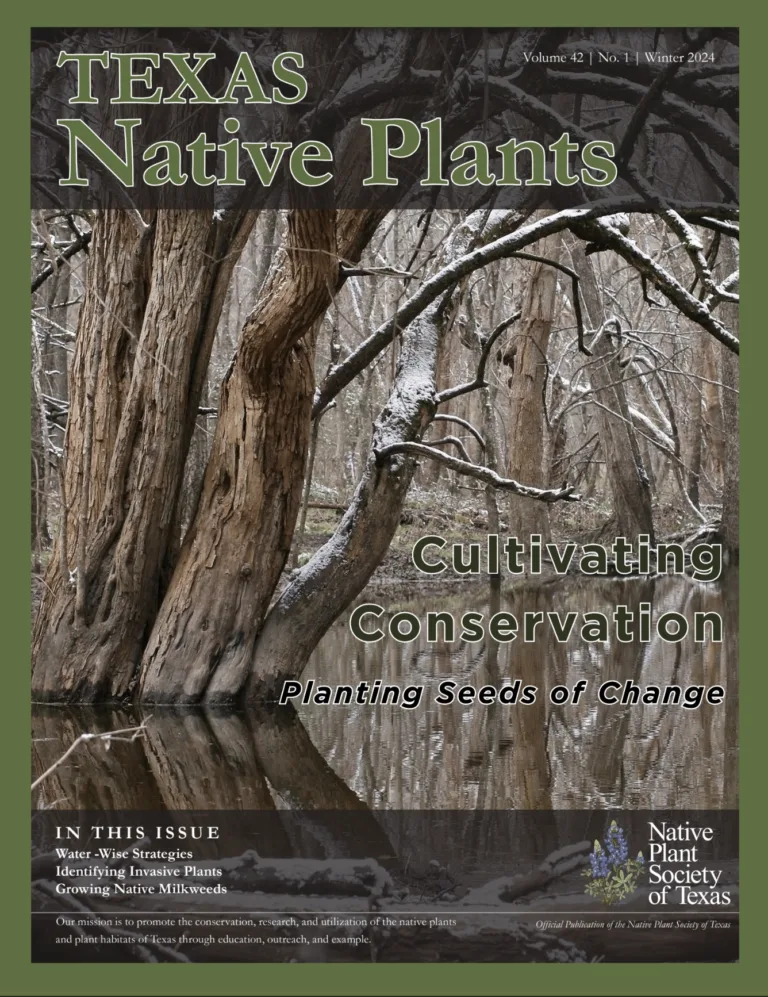
Winter 2024 Member Magazine
From Pines to Petals: Exploring the Pineywoods | 2023 Society Award Recipients | No-Freeze Trees | Water-Wise Strategies | Conservation Champions | Power Plants for Pollinators | Using the Invasive Plant Database | Coming Soon: More Native Milkweed! | Native Gardens are For the Birds | Native Plants Thriving in Town Hall | Promoting Native Milkweeds | Engaging the Next Generation | Native Plant Student Art Showcased | If You Know What to Look For
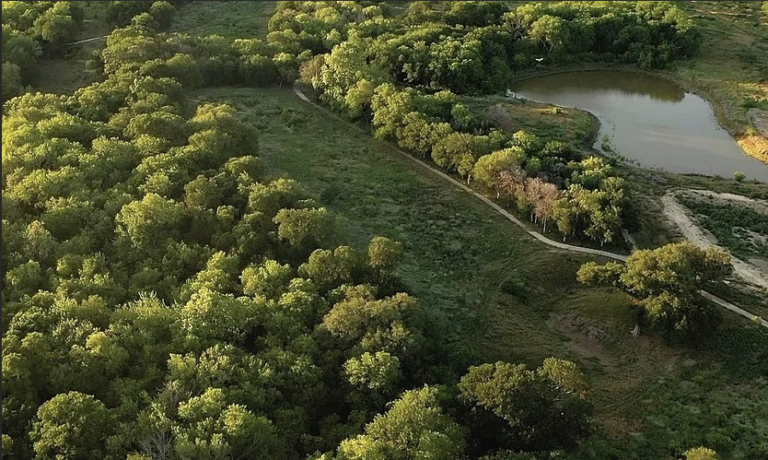
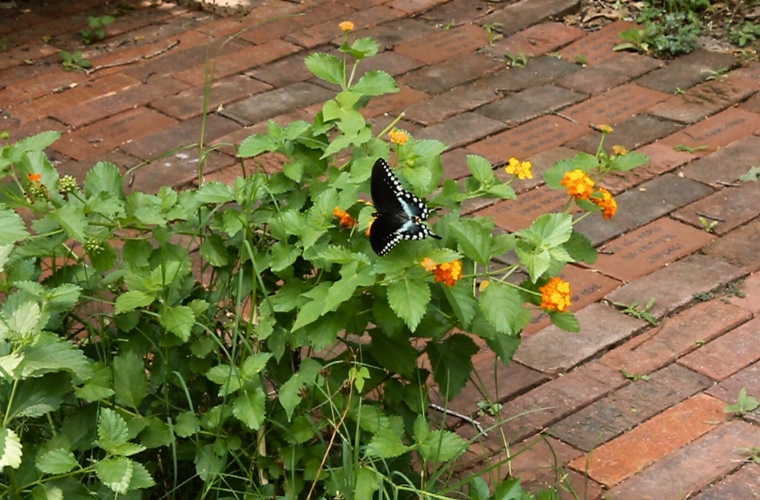
Chapter Meeting: Pollinators and Native Plants at Nature Discovery Center
Eric Duran will talk about the pollinators and native plants of the Nature Discovery Center in Bellaire.
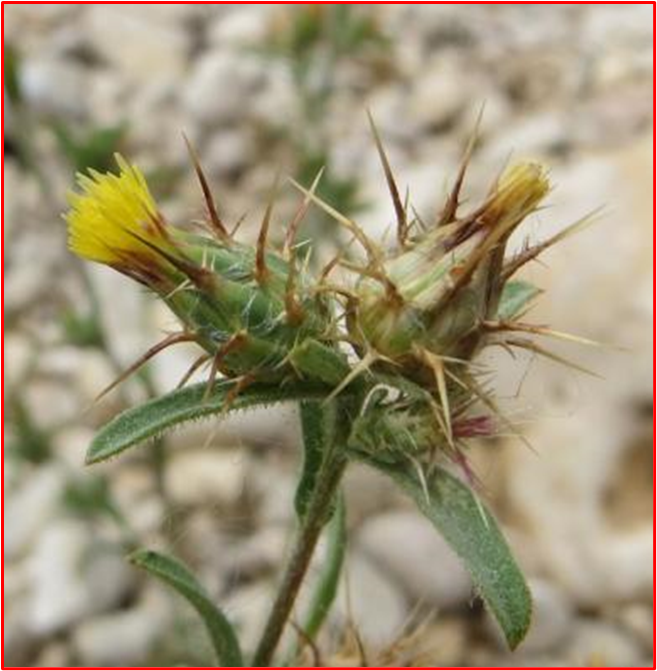
March 26 “Invasive Non-Native Plants – and How to Get Rid of Them”
“Non-native, invasive plants are destroying biodiversity and wreaking havoc in our backyards, neighborhoods, parks and preserves,” stated Cheryl Hamilton, How do you recognize them? How do you eradicate them?” Hamilton, our speaker this month and co-founder of the Invaders of Texas Program, Balcones chapter, provides us with the tools.
Honoring a Historic Site with Native Plants
By Sharon Van Buskirk, Dallas Chapter In the nearly four years since we organized the Friends of the Warren Ferris Cemetery in Dallas, we have seen our efforts to reclaim this pre-Civil War cemetery branch out to reach all kinds of people, firing up their interests in flora, fauna, education,

March meeting – March 16
The Highland Lakes Native Plant Society will meet on Saturday, March 16,1-3 p.m. at the Marble Falls Public Library, 101 Main Street. An educational presentation will follow a 30 minute chapter businessmeeting. Deedy Wright will present on Invasive Plants and will cover these topics. The definition of an invasive plant
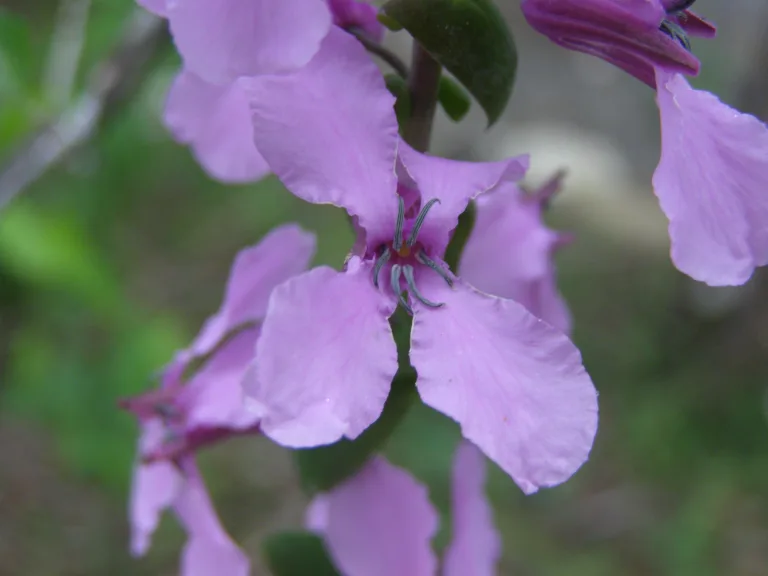
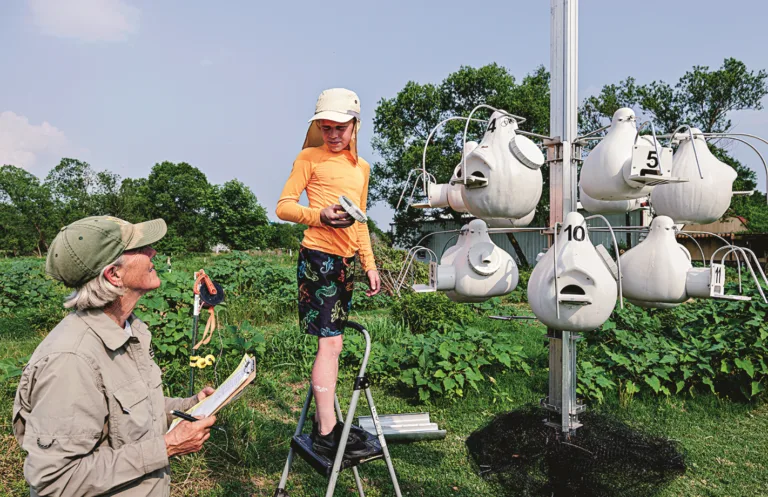
Julie Mattox Puts Out Welcome Mat for Purple Martins in NWF Ranger Rick Magazine
William Ebel is helping to monitor a colony of purple martins on “landlord” Julie Mattox’s ranch. Julie’s ranch has several gourd racks. Altogether, they add up to 92 nesting gourds! And each gourd is checked every four days during the breeding season. Julie really appreciates the help from William and
Chapter Meeting, March 5 – Jan Wrede and Rufus Stephens
Chapter Meeting, March 5 As usual, the meeting will start with a social time at 6:00pm, at the Cibolo Nature Center Auditorium. Announcement will begin at 6:45pm, followed by the presentation. For the social time, please bring any snacks/appetizers/desserts that you would like to share. Speakers: Jan Wrede and Rufus

Member Success Story: Be the Change
By Dell J. Hood, Hill Country Chapter For the past 18 years I have had the privilege of serving as a trustee of the Wimberley Village Library. By the end of this year, we will have finished our second expansion and added an 8,200 square foot wing to the existing
