

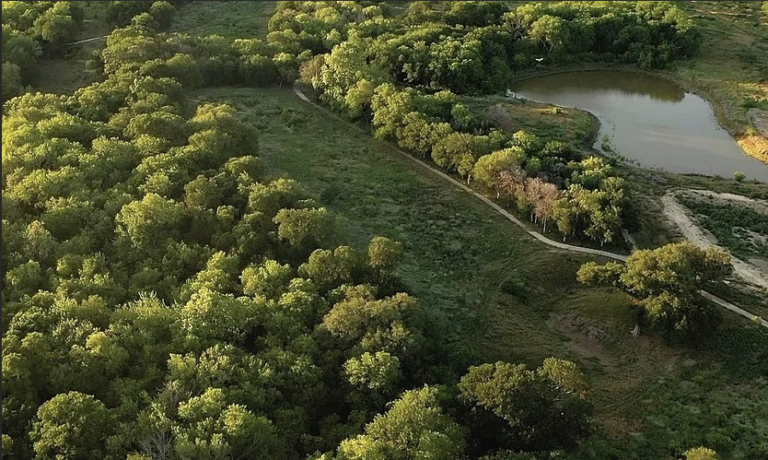
A Discussion of Arboretum San Antonio
March 2024 Presentation by Dr. Kelly Lyons and CEO Thomas CorserA Discussion of Arboretum San Antonio The San Antonio Arboretum on the city’s southeast side is in the planning stages. Learn abut the plans and hopes for the project from CEO Tom Corser as well as Arboretum Advisor and SA
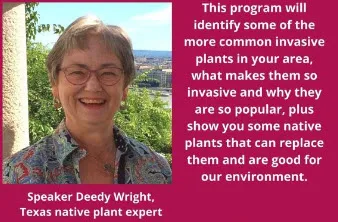
Hello Invasives, Goodbye Texas
February 2024. Identify some of the more common invasive plants in your area, what makes them so invasive and why they are so popular, plus the native alternatives.
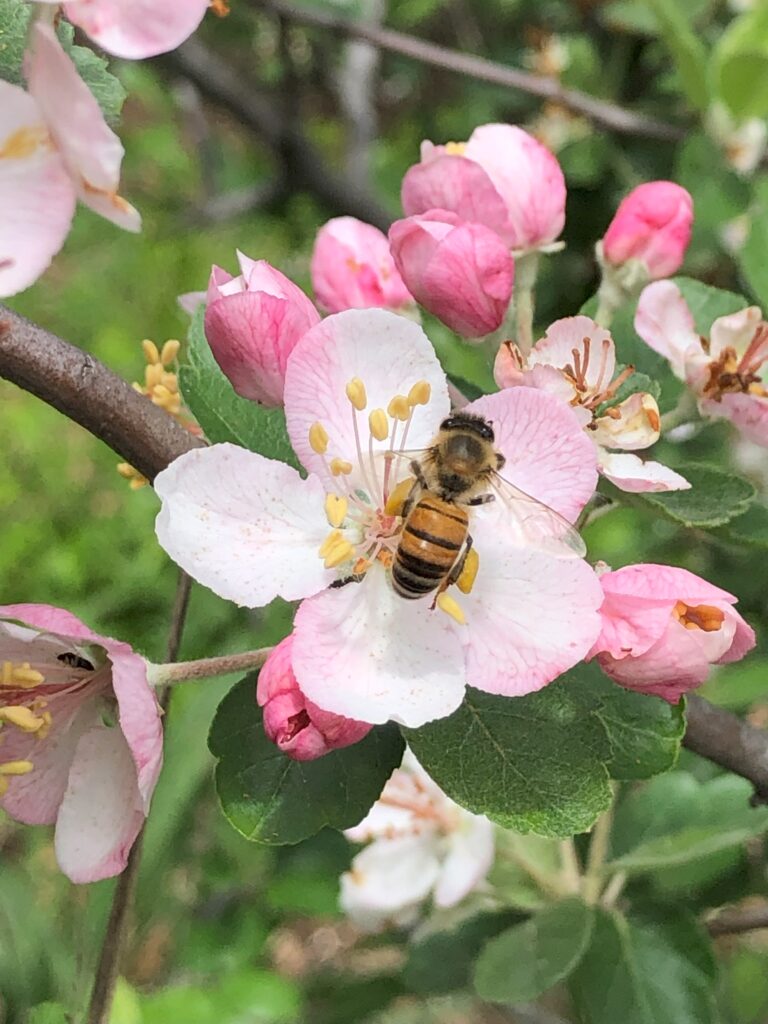
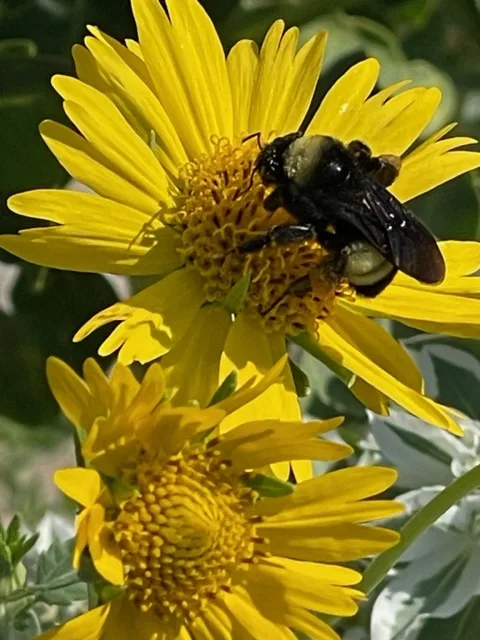
Introduction to Native Landscapes – April 20
The Highland Lakes chapter of the Native Plant Society of Texas (NPSOT) is offering the Introduction to Natural Landscapes class on April 20, 2023 in Burnet County. This class is the first in a series of classes which are part of the Native Landscape Certification Program (NLCP) offered by NPSOT. The class will be
Program: Slides from Permaculture Presentation
The slides from the presentation on Saturday, February 24, “High Desert Permaculture“, by Eric Hamm and Kelon Crawford, have now been posted and can be found through the linked title. Thanks to all who were able to attend this presentation! We look forward to seeing everyone at the next scheduled
March 2 – Spring Symposium – Join virtually or in person at Ladybird Johnson Wildflower Center in Austin! Registration is now open. For event details and registration click here. March 5- Chapter Meeting at Cibolo Nature Center Auditorium – 6:00pm – Social Time; 6:45pm – Chapter Announcements, followed by the Speaker
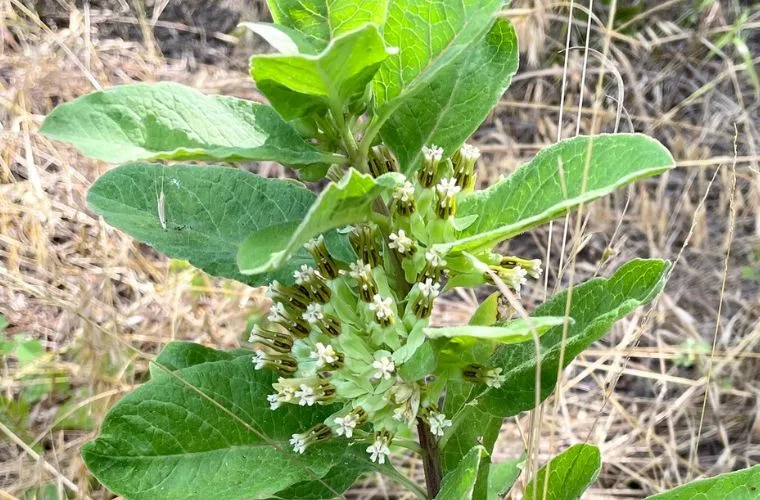
Clear Lake Chapter Pop-up Milkweed Sale – March 5, 2024
The Clear Lake Chapter is having a “pop-up” native milkweed sale on Tuesday, March 5, from 9 to 11 a.m. The sale will be at EIH on the UH-Clear Lake campus. Cash only.
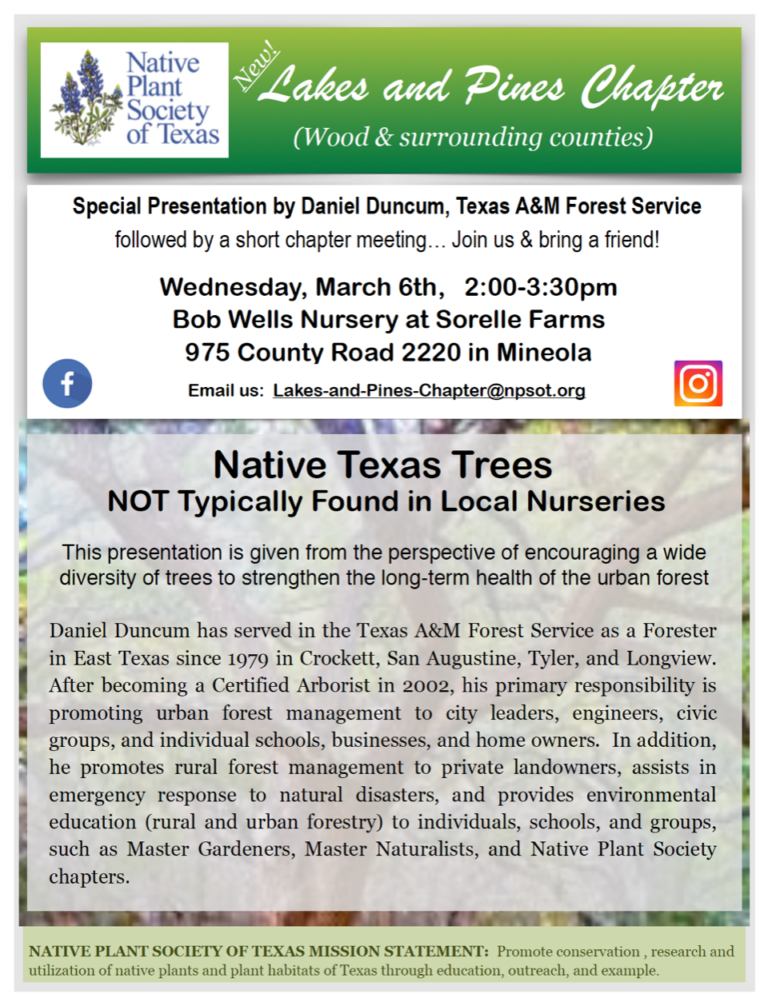
March 6 Lakes & Pines Chapter Meeting – “Native Trees”
Our speaker for March, Daniel Duncum from Texas A&M Forestry, will tell us about native Texas trees not commonly found in nurseries and how to identify them. Mark your calendars and come on out to Bob Wells Nursery @ Sorelle Farms located at 975 County Road 2220 in Mineola, TX.
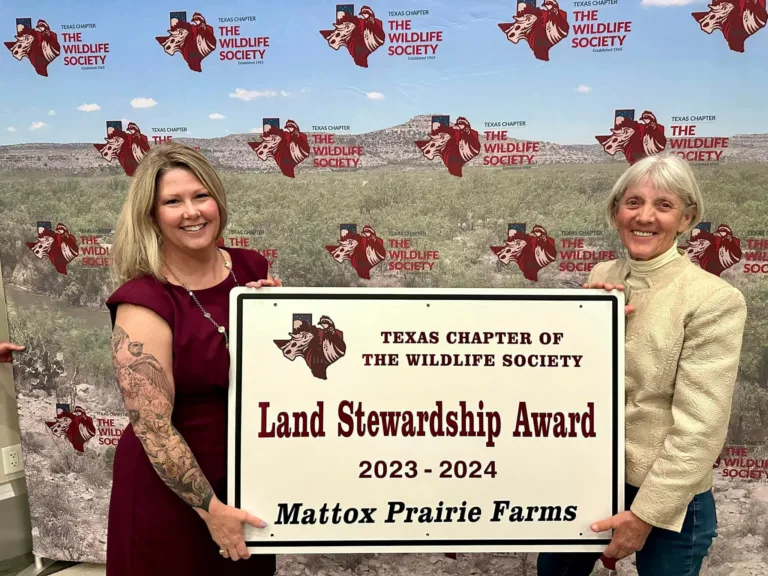
Congratulations to Julie Mattox!
Julie’s land steward achievements were recognized at the annual Wildlife Society conference in Houston – presented by Missy Young Singleton. Our Lakes and Pines Chapter Secretary, Julie is currently scheduled to speak about her “Dairy to Prairie” efforts at our May meeting with a field trip to the Yantis Prairie
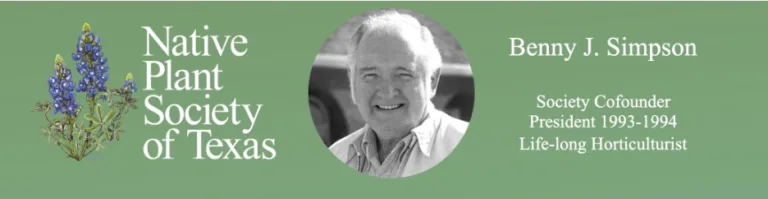
Fellows Award Nominations are open through March 22nd!
The honor of Fellow is conferred upon members in recognition of remarkable service to the Society in advancing our mission. This high honor is granted in belief that special recognition should be given for exceptional and dedicated service at the state or chapter level. This honor recognizes this service and
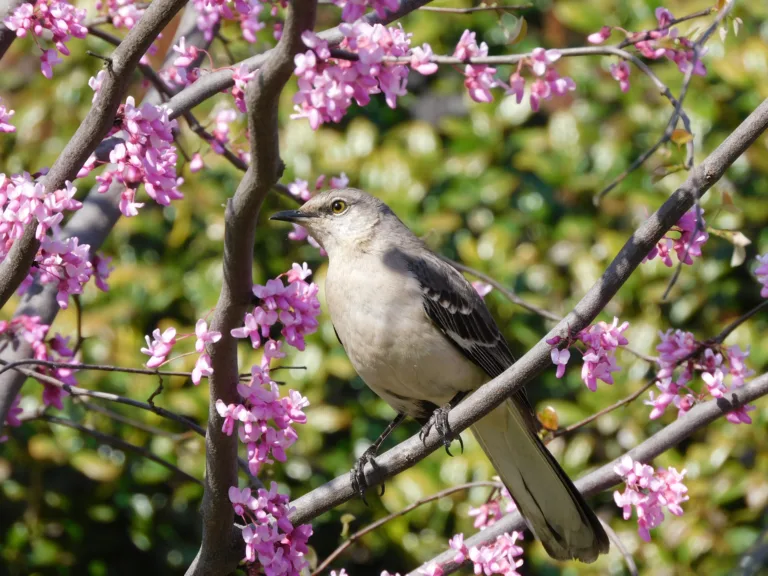
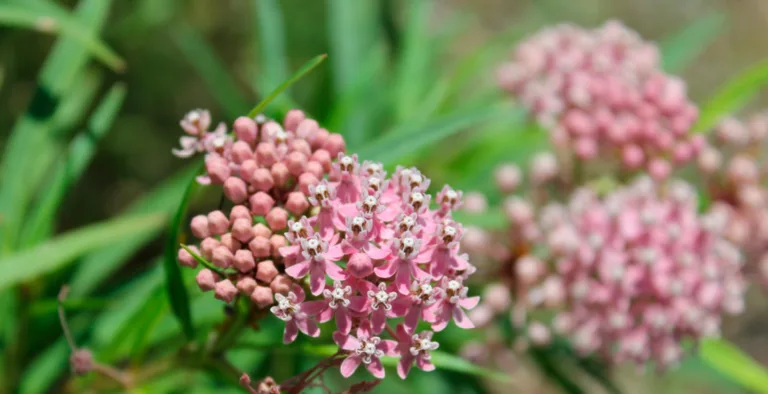
Invasives: Choose Native over Tropical Milkweed
What You Should Know By Carol Clark, Collin County Chapter Confused by all the fuss over Tropical Milkweed, Asclepias curassavica? You’re not alone. Internet sources about Monarchs and milkweeds are full of misinformation, partial truths, and ridiculous conclusions. Even scientific studies on the topic aren’t uniformly well conducted and trustworthy.
