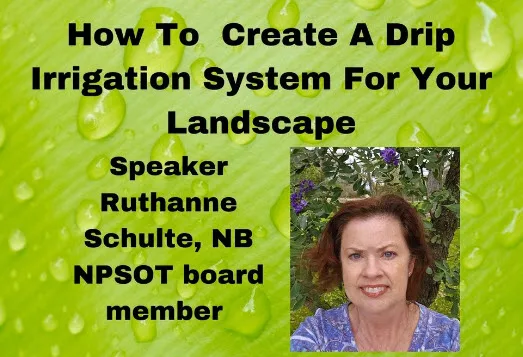
How To Create a Drip Irrigation System for Your Landscape
March 2024. Learn how to create a drip irrigation system for your own garden. See how Ruthanne Schulte setup a 5 zone system to efficiently water native gardens.
NPSOT Dallas April 15th, 2024 meeting with Janet D. Smith: The Right Plant in the Right Place
Meetings are held the 3rd Monday of each month. All meetings are open to members and the public.Join us starting at 6:30 for social time, chapter announcements and presentations start at 7:00pm Can’t make it in person?ZOOM our monthly meetings at: https://npsot.us9.list-manage.com/track/click?u=f20269a37974d8413fc79c831&id=12aa33f97f&e=d2e8f28b23If needed, use: Meeting ID: 837 2523 6133 Passcode: 882399a* Janet D. Smith will present:
Spring Native Plant Sale, April 19-20
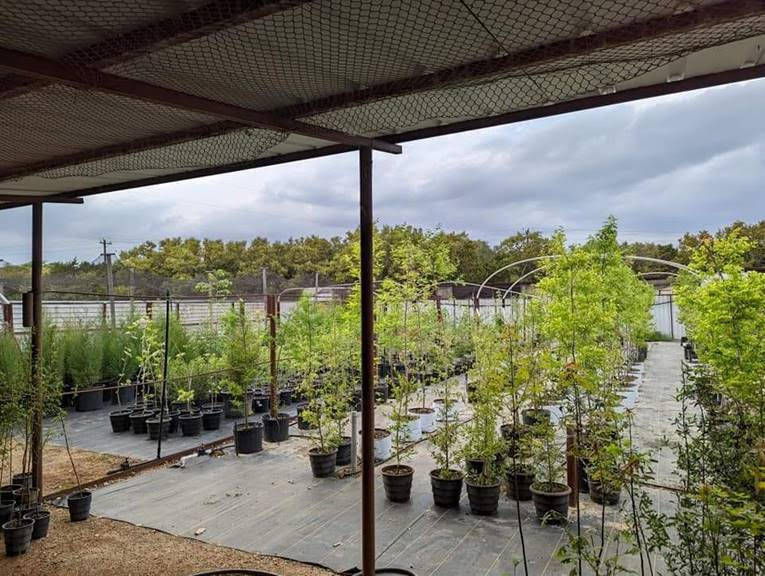
It’s spring! And that means our Spring Plant Sale is coming up quickly! If you are growing plants for this special event, please email your plant list by April 1, so we can get all the labels printed. Send your email to: Kathy Webster (katweb59@gmail.com), Gary Fest (garyafest@gmail.com) and Theresa Butler (theresabutler722@gmail.com).Your
Chapter Meeting, April 2
As usual, the meeting will start with a social time at 6:00pm, at the Cibolo Nature Center Auditorium. Announcements will begin at 6:45pm, followed by the presentation. For the social time, please bring any snacks/appetizers/desserts that you would like to share. The speaker will be Stephen Zoeller, with AgriLife Extension
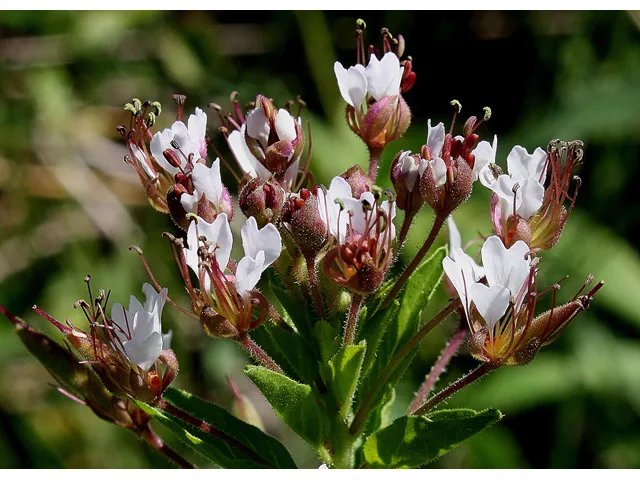
Unofficial Pollinator Plant of the Year for 2024
Redwhisker Clammyweed was voted in as the 2024 Unofficial Pollinator Plant of the Year in San Antonio!
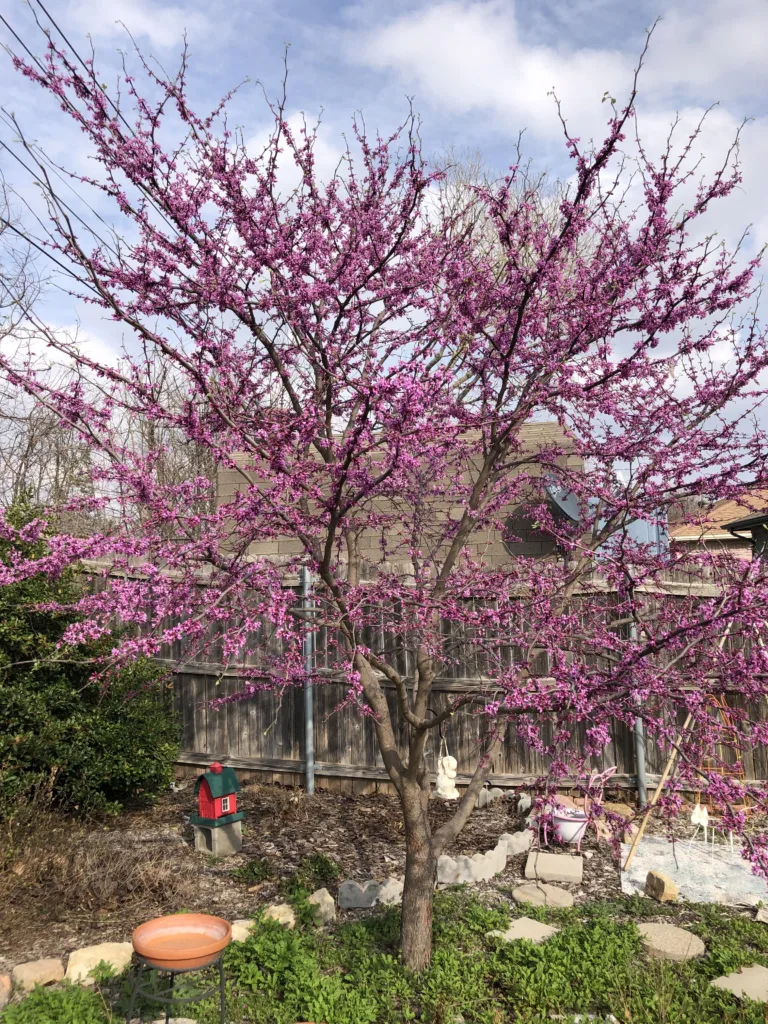
NICE Spring 2024 Plant of the Season
Texas Redbud (Cercis canadensis var. texensis) Ornamental Tree and Harbinger of SpringDescription: Texas Redbud, (Cercis canadensis var. texensis),is native to southern Oklahoma to central Texas andnortheastern Mexico. Nothing quite heralds the coming ofspring than the spectacular beauty of redbud trees in bloom.Autumn colors are equally stunning with the foliage turning
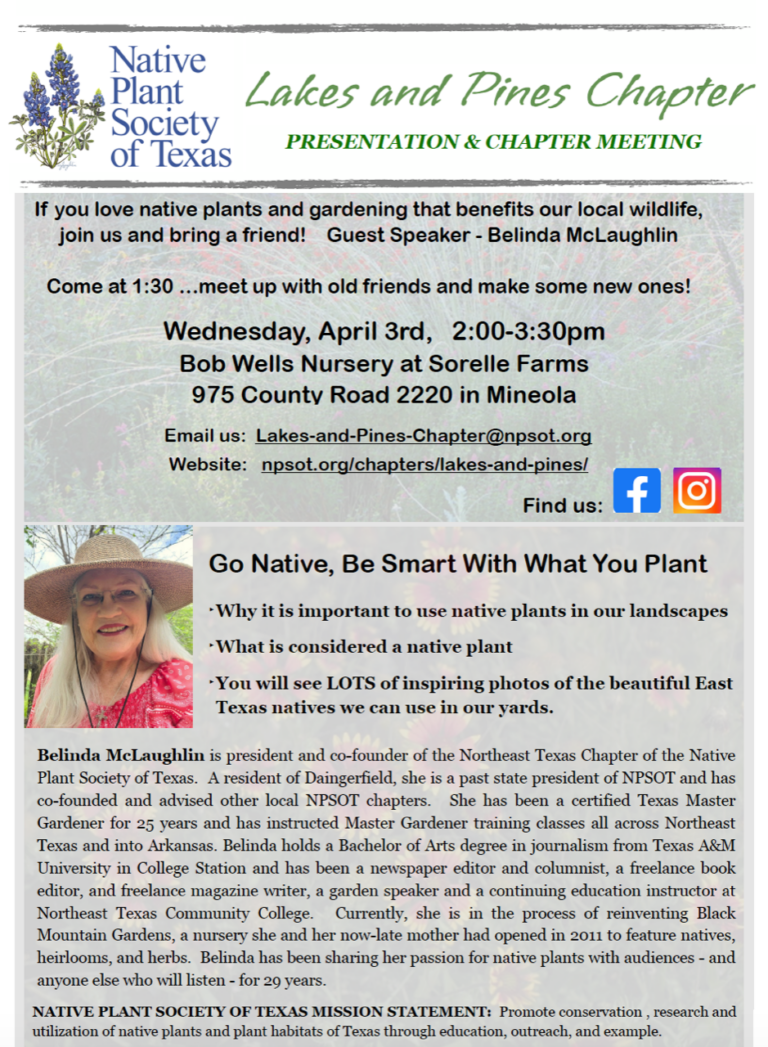
April 3, 2024: Go Native, Be Smart With What You Plant! – Belinda McLaughlin
Why it is important to use native plants in our landscapes What is considered a native plant See LOTS of inspiring photos of East Texas natives we can use in our yards Guest Speaker Belinda McLaughlin is President and co-founder of the Northeast Texas Chapter of the Native Plant Society
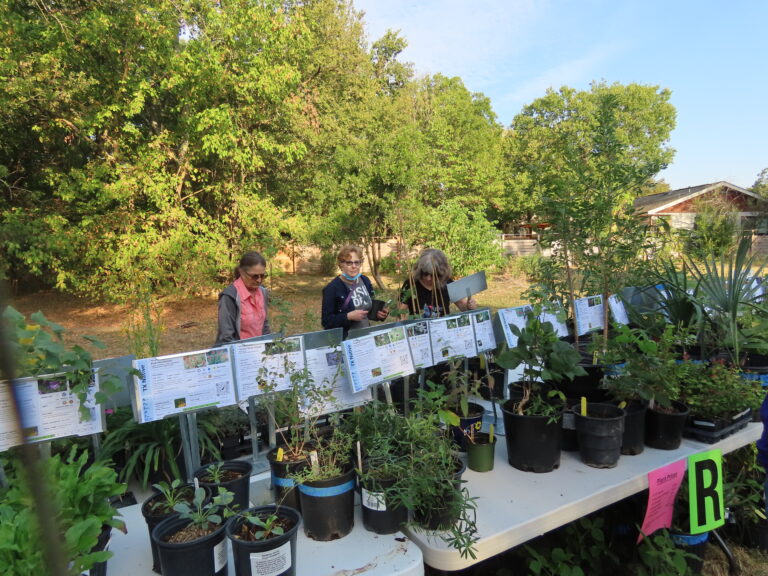
Spring 2024 Plant Sales
Spring is a good time to plant native flowers, shrubs, and trees, and many of our chapters have upcoming spring plant sales. Take advantage of this opportunity to easily obtain native plants suited to your ecoregion and along with making your space beautiful, you’ll be providing food and habitat for
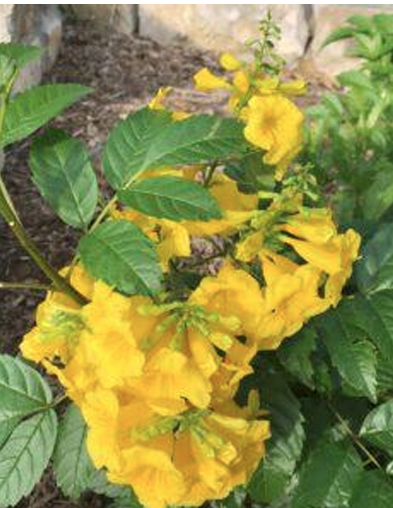
NICE Plant – Spring 2024 – Esperanza (Yellow Bells)
Read more details about our Spring 2024 NICE plant – Esperanza. Visit our NICE Archive to read about past NICE plants.

Nominations Are Open for 2024 Annual Awards!
Each year our Society recognizes achievements of individuals and groups whose work supports our mission and enriches our understanding or appreciation of Texas native plants. Awards are presented for acts of conservation and public service, excellence in writing, horticultural achievement, lifetime achievement, and service. These awards are selected by the