

Visit our New SA Chapter NICE Native Plant Partners!
Our chapter welcomes Pollinatives and The Nectar Bar to the NICE Program.
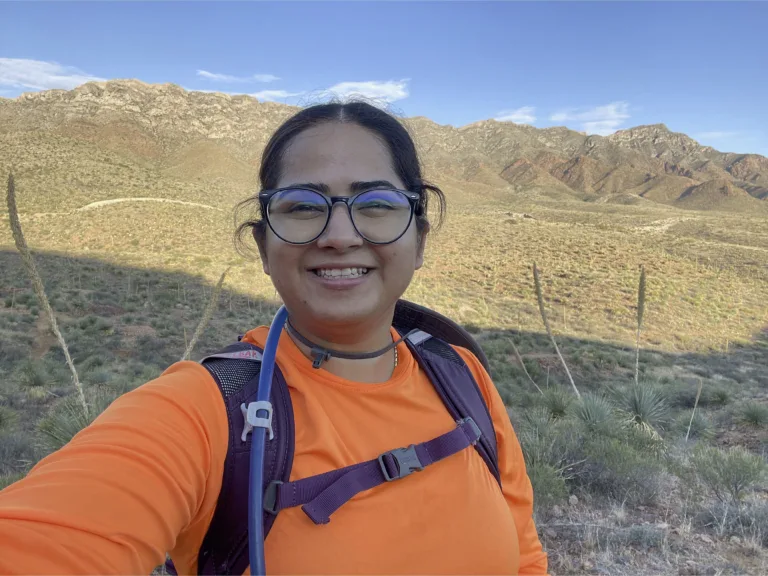
2023 Ann Miller Gonzalez Research Grant Recipients
The Native Plant Society of Texas offers the following research grant to graduate students at Texas universities who are performing academic research related to Texas native plants and/or to the conservation and restoration of native plant habitats of Texas: Ann Miller Gonzalez Graduate Research Grant – This research grant is named
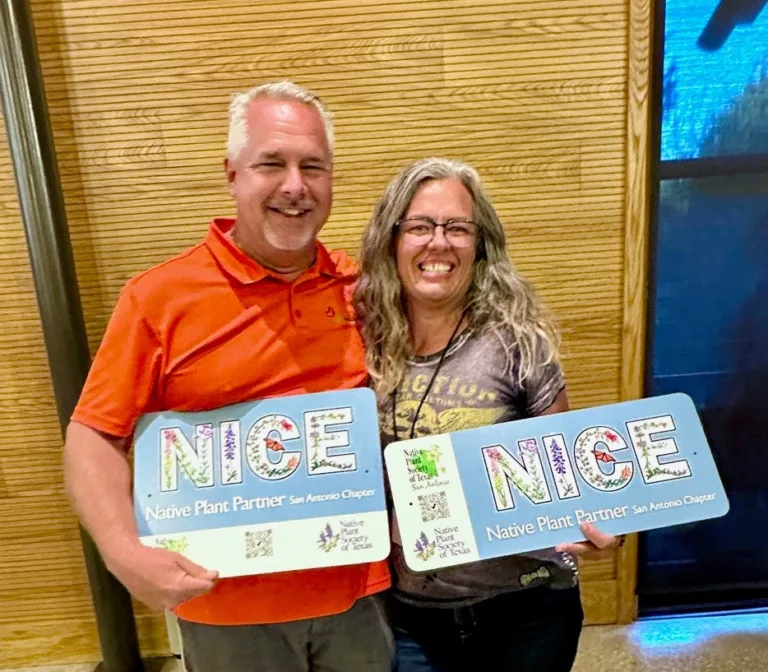
NPSOT-San Antonio Rolls out its NICE Program
The NICE program for the San Antonio Chapter is now up and running!
Water-Wise Strategies
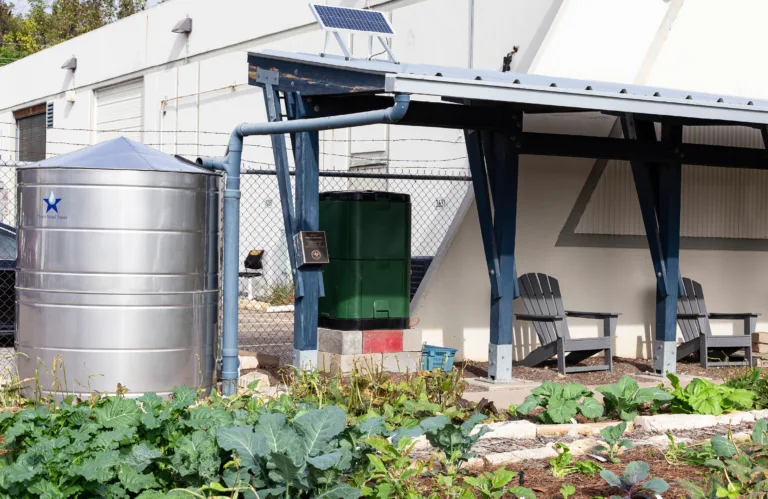
Rainwater harvesting system constructed by Travis County Master Gardeners at their demonstration garden. A slanted metal awning doubles as a shady rest area and rain catchment system, while gutters at the bottom direct the rain into the large rain barrel. By Michelle Michel, Austin Chapter If you’ve lived here for
Spring Native Plant Sale
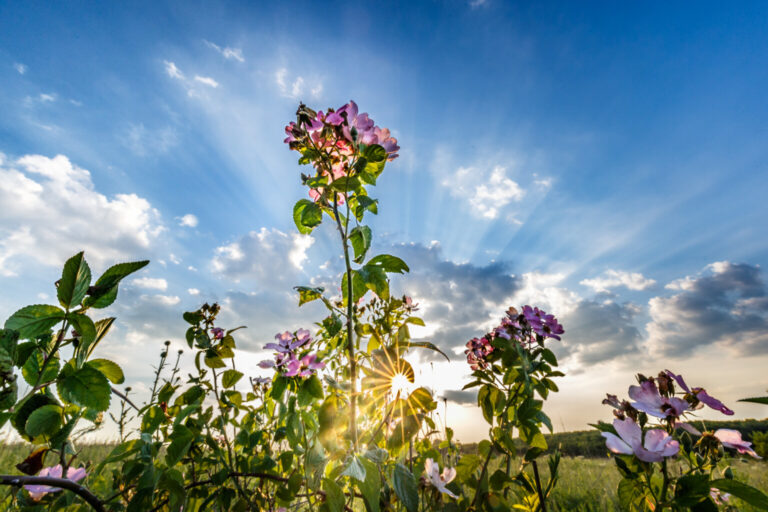
Please join us at the Prairie Rose Demonstration Garden April 13, 2024 in Glen Rose. Appointments by request at 9:30 am; just email us at prairierose.npsot@gmail.com to request time. Open to the public 10:00 am to 2:00 pm. Come and make a day of it. We have a nice River
Using the Invasive Plant Database
By Deedy Wright, New Braunfels Chapter Invasive plants are not just a nuisance in the landscape. They’re also one of the biggest threats to conservation efforts today, along with habitat destruction, climate change, and pollution. Managing and controlling them is an important aspect of conservation work that’s being done to
New NICE Partner Nurseries and Event April 13
Saturday, April 13, The NICE Committee will set up a table at the Antique Rose Emporium to share information about selecting and growing native plants and promoting NPSOT. If you would like to help that day contact La Bahia President Lisa Bonassin at Lisagay2@yahoo.com Three new nurseries joined our chapter’s
Garden Signs Available
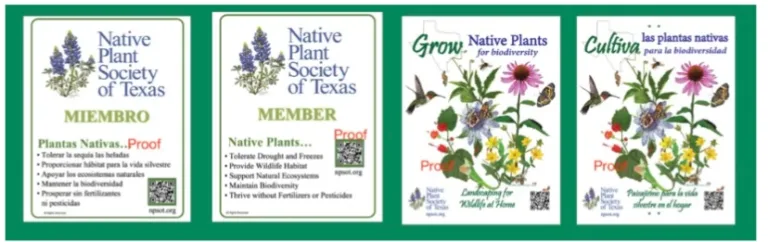
We’ve had a great response for the NPSOT Biodiversity and Members gate/garden signs. We still have 7 of the Biodiversity and 6 of the Members signs, $20 apiece, which will be available at the upcoming No Frills Garden Tour in Brenham, April 20th. Feel free to contact Richard Thames to
Fall Plant Sale – Save the Date – October 5
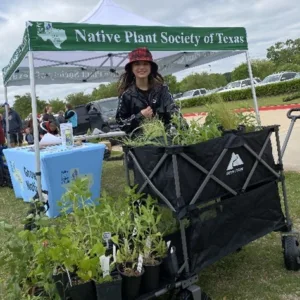
Fall Plant Sale – Save the Date The LaBahia Chapter is having a PLANT SALE on October 4, 2025 in Brenham, Texas! Location: The McLoughlin Property, 1402 Church St., Brenham Fall is the best time to plant trees and perennials for a beautiful Spring garden. Come early to get your
Want to host a no frills tour?
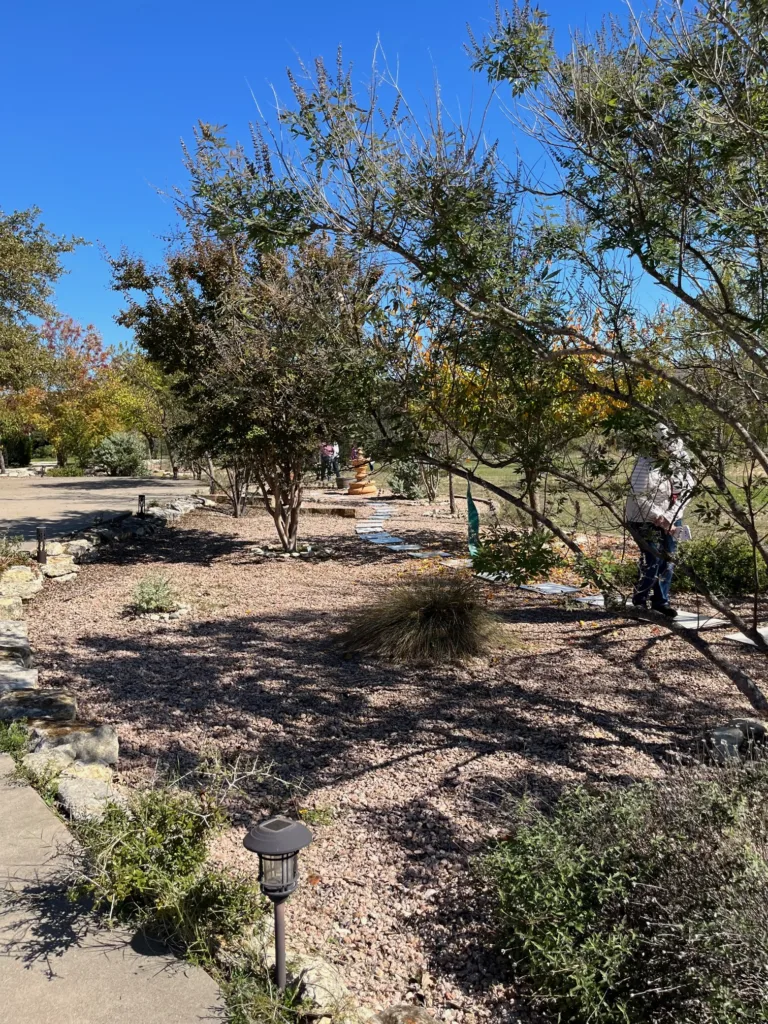
Would you host a No Frills Garden Tour at your home/property sometime and spread your passion for gardening while sharing its beautiful results? Here’s the deal. On a day that is good for you, your Native Plant Society friends would be invited to tour your property. Nothing is required by
SAVE THE DATE: May No Frills Tour
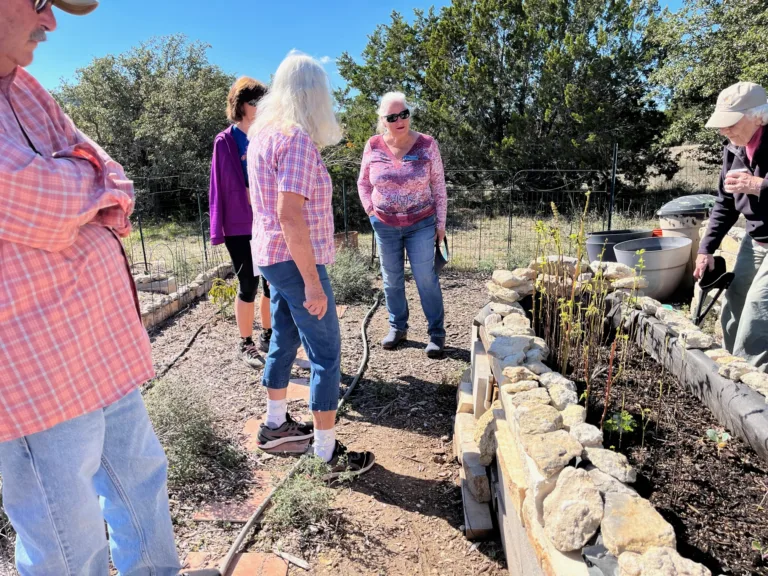
Saturday, May 11 at 10 AMOne Big Sky Farm in Round Top MORE INFORMATION TO FOLLOW(We are working on a second No Frills Tour for May 25th.)
