

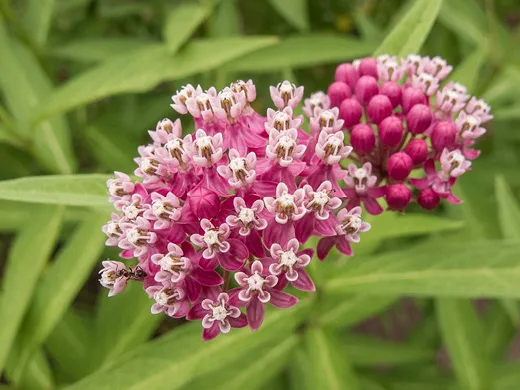
Member News: Promoting Native Milkweeds
By Greg Pearson, Clear Lake Chapter My interest in Monarchs and milkweed started following a trip my wife and I took to visit the Monarch wintering grounds in Mexico. After the trip, my wife and I added milkweed to our garden, but unfortunately, the only variety available at the time
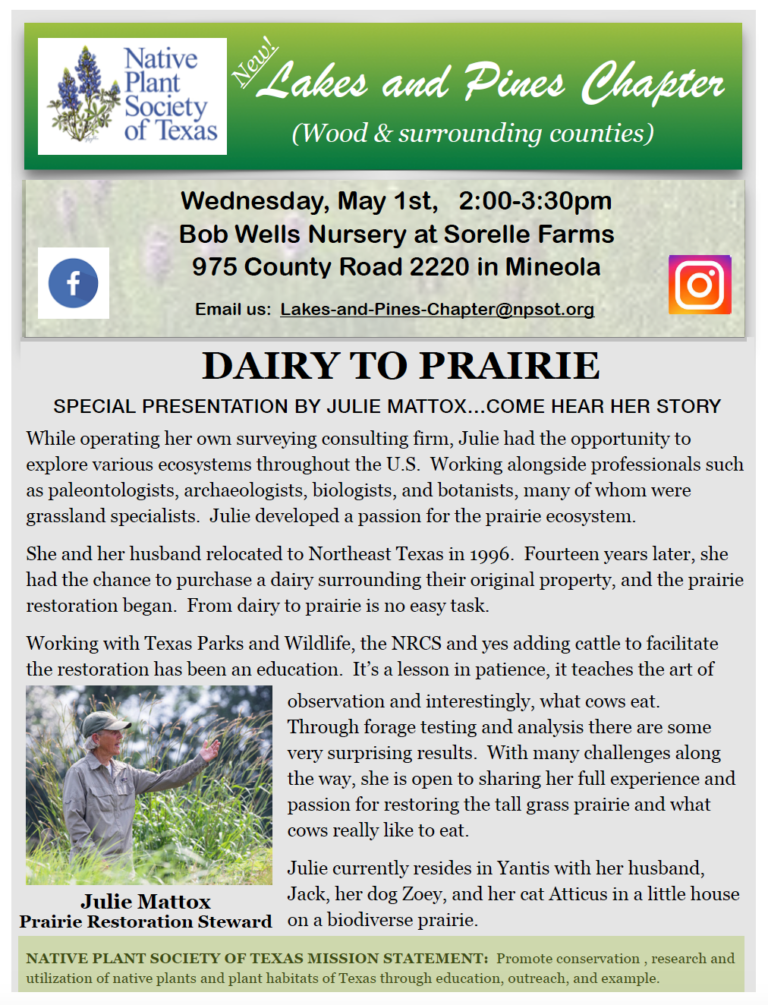
May 1 Lakes & Pines Chapter Meeting: Dairy to Prairie with Julie Mattox
Come hear Julie’s story about how she developed a passion for restoring the tall grass prairie.
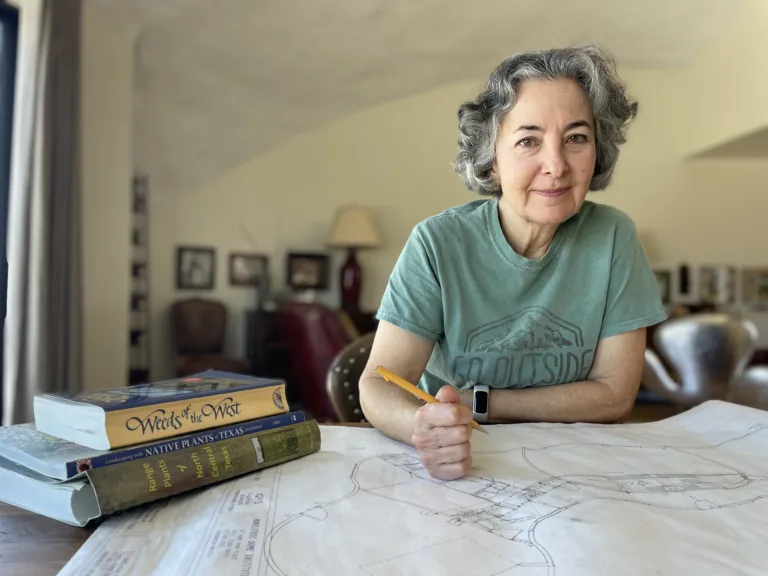
April 23, “Get Real” Garden Design with Native Plants: View on YouTube
“I’ll show you practical ways to build gardens that will enhance your property and be less work as time goes by,” noted Paula Stone. “I once heard someone say that, ‘The gardening should get easier as the gardener gets older.’”
Paula Stone, Vice President of the Fredericksburg Chapter of the Native Plant Society of Texas, will share her extensive knowledge about landscape design using native Texas plants on April 23 from 6:30-8 p.m. at St. Joseph’s Halle, Fredericksburg.
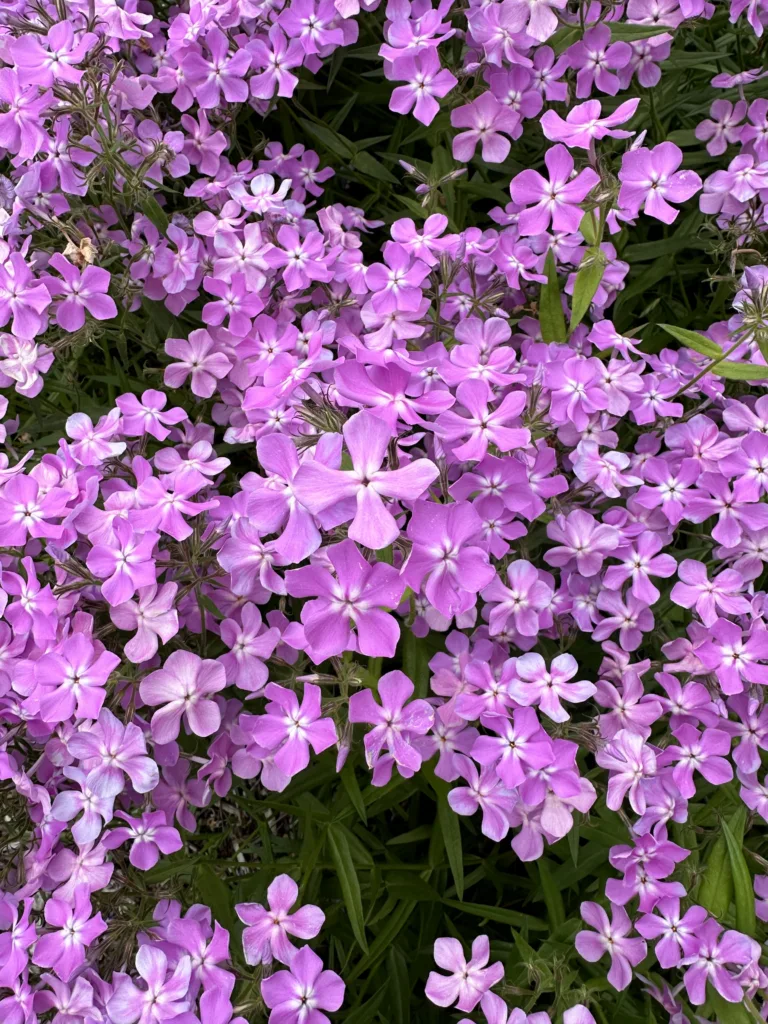
Big Bend Plant Sale April 27
The Big Bend Chapter plant sale is coming up on April 27, 2024. For more information and a list of available plants please see our Plant Sale page.

“Can’t See the Forest,” Renata Lucia in Exhibition
Many Society members have had interactions with our Administrative Assistant Renata Lucia since she joined the Native Plant Society of Texas staff in early 2022. However, not many may realize she is also a working artist in her off hours. She currently has a solo exhibition on view at Art
Member News: Native Plants Thriving in Town Hall
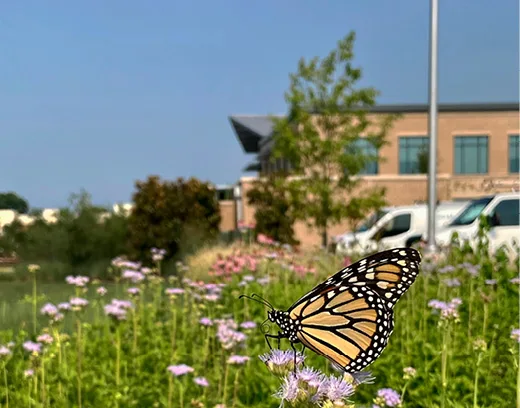
By J.G. Domke, Fort Worth Chapter Good news: interest in and respect for native plants has been growing in the town of Flower Mound, just north of Grapevine in Denton County. Founded in 1961, the town’s master plan states they are committed to “preserve the country atmosphere and natural environment.”
Guadalupe Chapter General Information
Chapter Monthly Meeting Schedule & Directions Guadalupe Chapter Monthly Meetings include a Social at 6:30 PM, a Presentation at 7PM, followed by a Business Meeting. There are nine Monthly Chapter Meetings and generally a December Social. The January, March, May, September and November meetings are held in Seguin at the
Deedy Wright’s Resources for the Austin Area
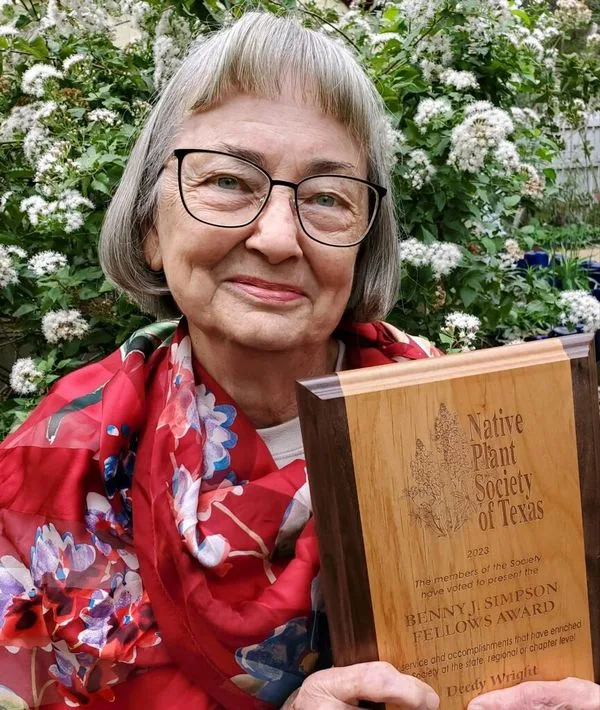
Our chapter was fortunate to have Deedy Wright speak to us about invasive plants and better native alternatives, and about how to use natives effectively and successfully in your landscape. Here are some resources that Deedy provided to our chapter:
April 2024 Plant of the Month
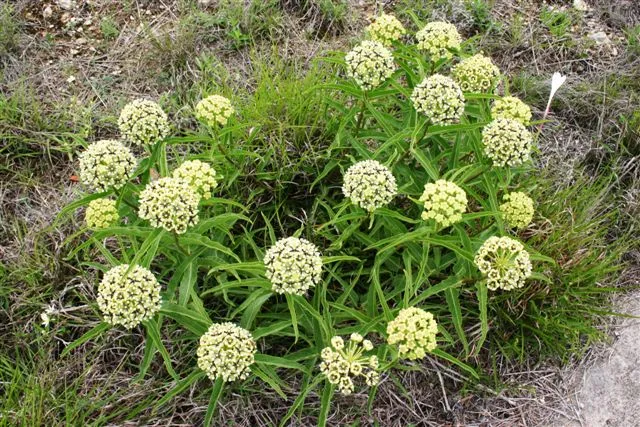
This spring has been a very good time for our most common milkweed.Click on the plant below for more details
Power Plants for Pollinators
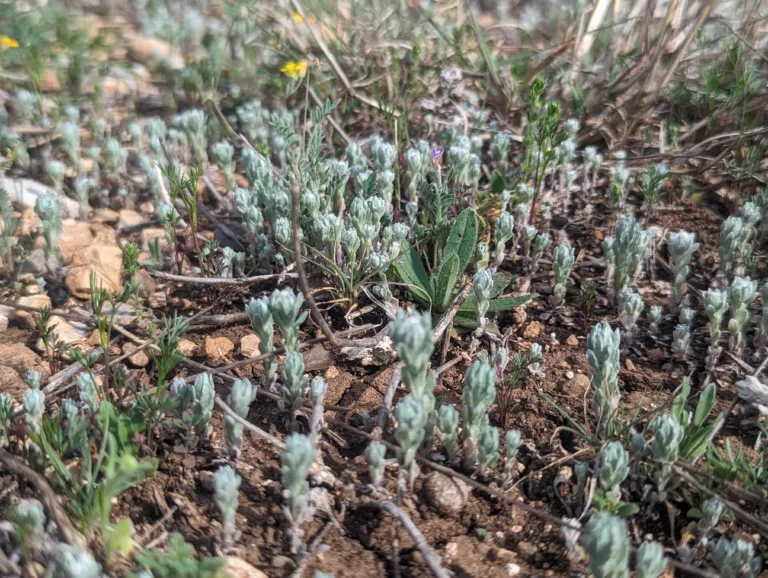
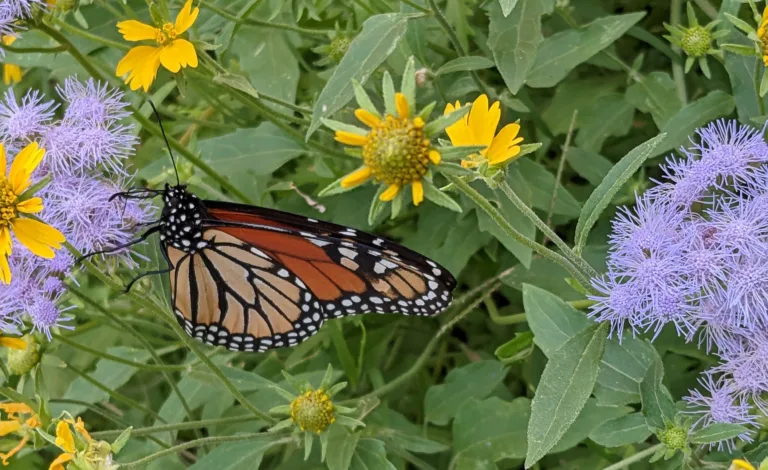
Monarch on Gregg’s Mistflower ( Conoclinium dissectum (syn. Conoclinium greggii ), Photo by Shaun McCoshum. By Shaun McCoshum, Ph.D, member at large Pollinator plants: you hear that term used a lot, and generally with no explanation. So, what makes a plant good for pollinators? The easy answer is any plant
