

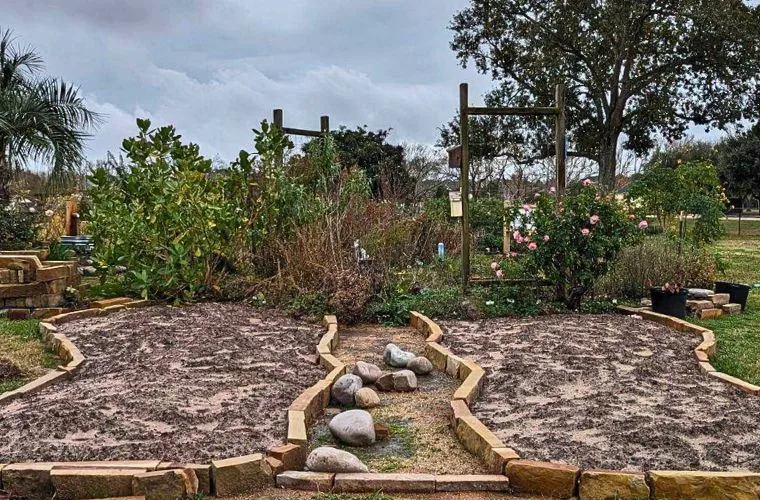
Chapter Meeting: Pollinator Road Trip 3: A Habitat Grant Update, Part 1
Take a virtual road trip to visit pollinator habitats funded by the chapter’s Native Pollinator Habitat Grant Program. You will hear from projects at three sites.
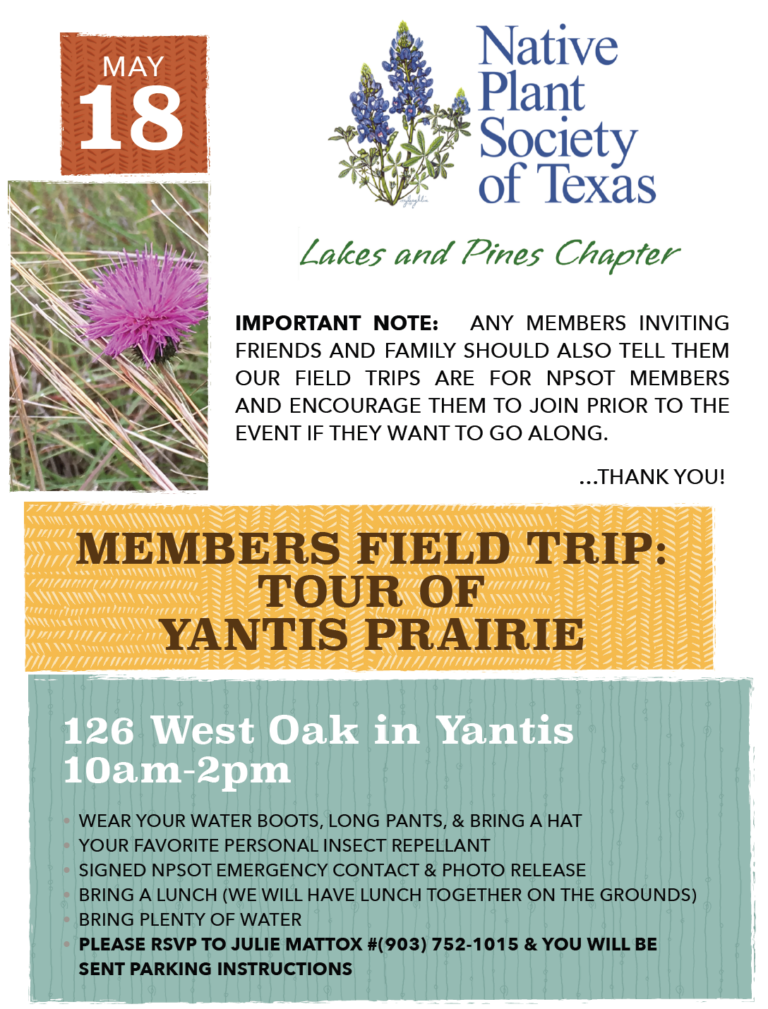
May 18 – Yantis Prairie Field Trip (NPSOT Members)
Join us at 10:00am for a field trip to learn about how Julie Mattox was able to restore a dairy farm into a prairie wildlife haven. Discover her passion for native prairie ecosystems (and cows). For Lakes and Pines Chapter and all NPSOT members – bring a sack lunch!
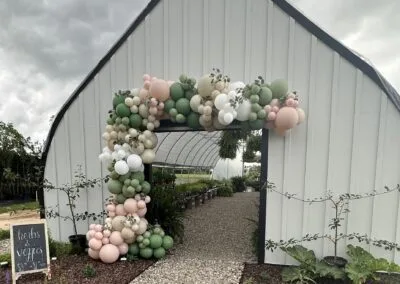
May 11 – Sorelle Farms Mother’s Day/Spring Festival
Join Sorelle Farms in Mineola from 10:00 – 2:00 for their second annual spring event celebrating mothers. Bring Mom and celebrate her with an afternoon of food, music, plants and more! And don’t forget to shop their expanding native plant selection! Located at 975 County Road 2220, Mineola, Texas
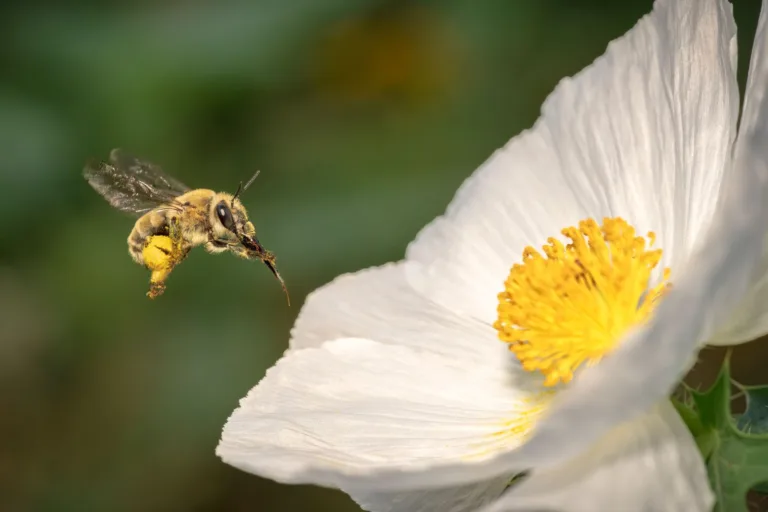
Get Ready for Our Annual Photo Contest!
In June, the Native Plant Society of Texas will open up our photo, video, and chapter newsletter contests for submissions. In this post we will share some considerations to help you improve your photo entries…
Chapter meeting May 18
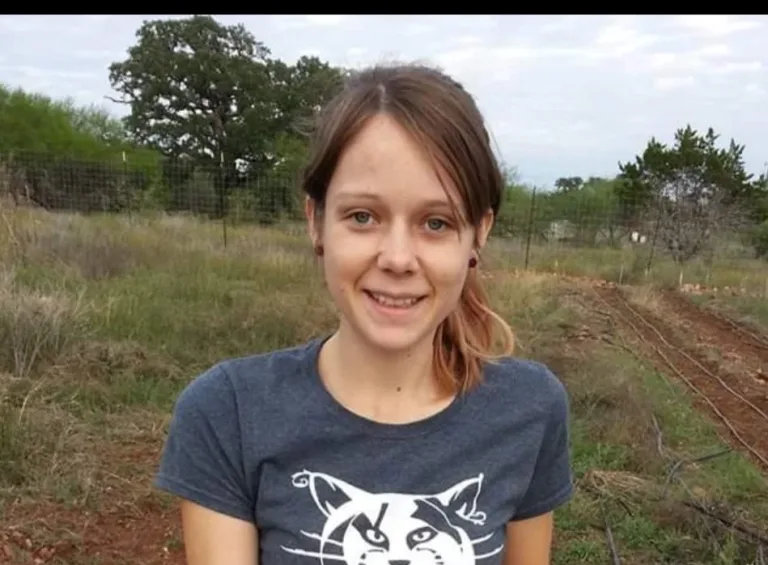
The next scheduled meeting of the Highland Lakes Native Plant Society is Saturday, May 18, from 1-3 p.m at the Marble Falls Public Library, 101 Main Street. An educational presentation will follow a 30 minute chapter business meeting. Amber Joy Herndon will be presenting on Bioregional Herbalism, a focus on
Conservation Champions
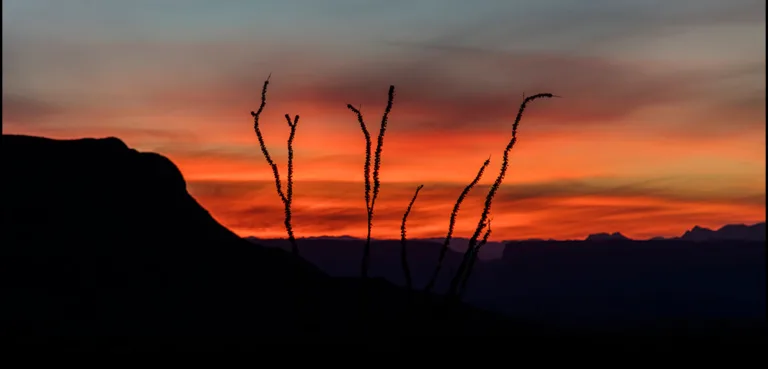
The Cibolo Center for Conservation is dedicated to the conservation and preservation of the Cibolo Creek watershed and the surrounding Hill Country region. Photo by Cibolo Center for Conservation. By Lindsey Townsend, Tyler Chapter Climate change with rising temperatures and droughts. Invasive species that compete with native plants for resources.
Day Family Scholarship
The $2500 Day Family Scholarship honors Katie Gibbons Day, an elementary teacher who loved the native plants and ecosystems of the Texas Hill Country. The scholarship will be awarded to a Gillespie County high school senior who shares Katie’s love of the natural world and plans to major in ecology, conservation, land stewardship, or similar field at a college or university in Texas.
H-E-B native plants on sale
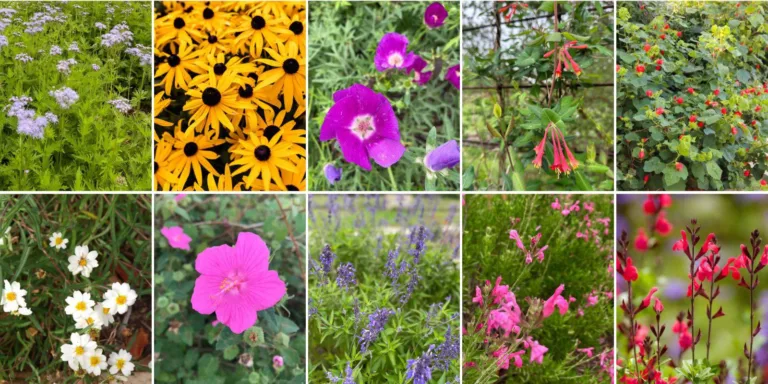
We are beyond excited at the response to our latest collaboration with H-E-B to get native plants to their stores and to the larger Texas community. To the best of our knowledge, plants will only be available at Texas Backyard stores. It’s a good idea to call before you go
Land Stewardship for Birds
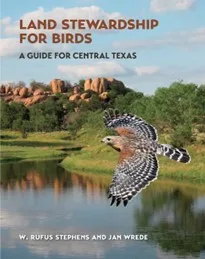
Book by Rufus Stephens May 2024 Presentation by Rufus StephensLand Stewardship for Birds: A Guide for Central Texas In this revised and re-titled edition of Attracting Birds in the Texas Hill Country: A Guide to Land Stewardship, biologist Rufus Stephens and educator Jan Wrede provide a comprehensive update to their
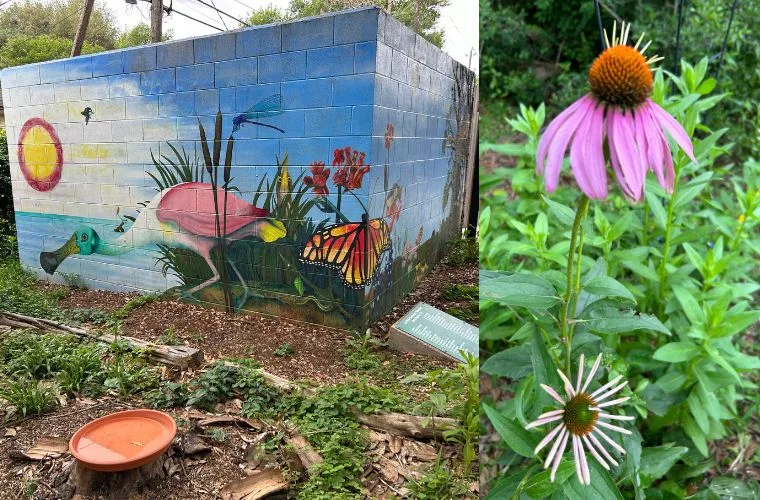
FIELD TRIP: Tour of Ed White Elementary School Habitat in El Lago
Tour of the award-winning School Habitat Garden at Ed White Elementary in El Lago.
Chapter Meeting, May 7
The meeting will start with a social time at 6:00pm, at the Cibolo Nature Center Auditorium. Announcements will begin at 6:45pm, followed by the presentation. For the social time, please bring any snacks/appetizers/desserts that you would like to share. The speaker will be Leslie L. Bush, a paleoethnobotanist: an archaeologist
