


June 15 @ 9:00am – Lakes and Pines Member Field Trip to Wood County Arboretum and Botanical Gardens
Join us for a Lakes and Pines Chapter tour of the beautiful Wood County Arboretum and Botanical Gardens located at 175 Governor Hogg Parkway, Quitman, TX

A Word from our Plant Sale Committee Chair
We’re gearing up for the fall plant sale—keep those donations coming and join us on Tuesday mornings to volunteer!

View on YouTube: Create an Enchanted Garden Oasis. No Magical Experience required. June 25, 2024
Learn how to Design a Garden that invites Butterflies and Wildlife to share it with you: butterflies on your flowers, birdsong dancing in the air.
Deborah Simmons added, ““If you want your yard to attract wildlife , you can do it on purpose by designing an environment that invites creatures to come.”
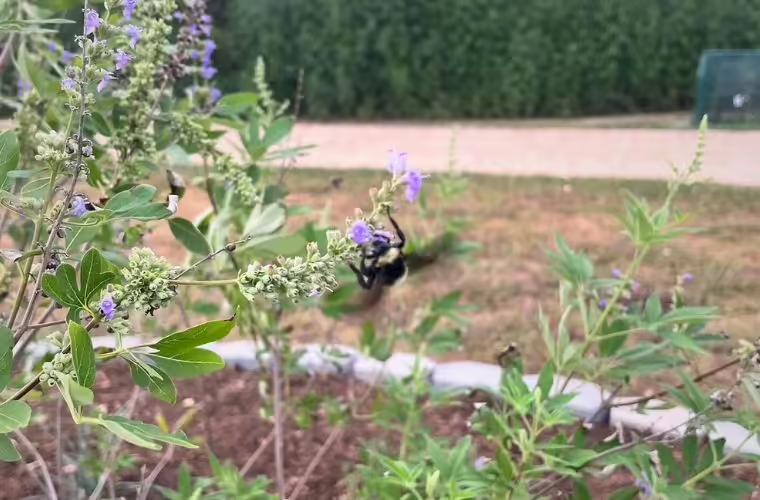
Chapter Meeting: Pollinator Road Trip 3: A Habitat Grant Update, Part 2
Take a virtual road trip to visit pollinator habitats funded by the chapter’s Native Pollinator Habitat Grant Program. You will hear from projects at two sites. Plus, updates from previously funded projects.
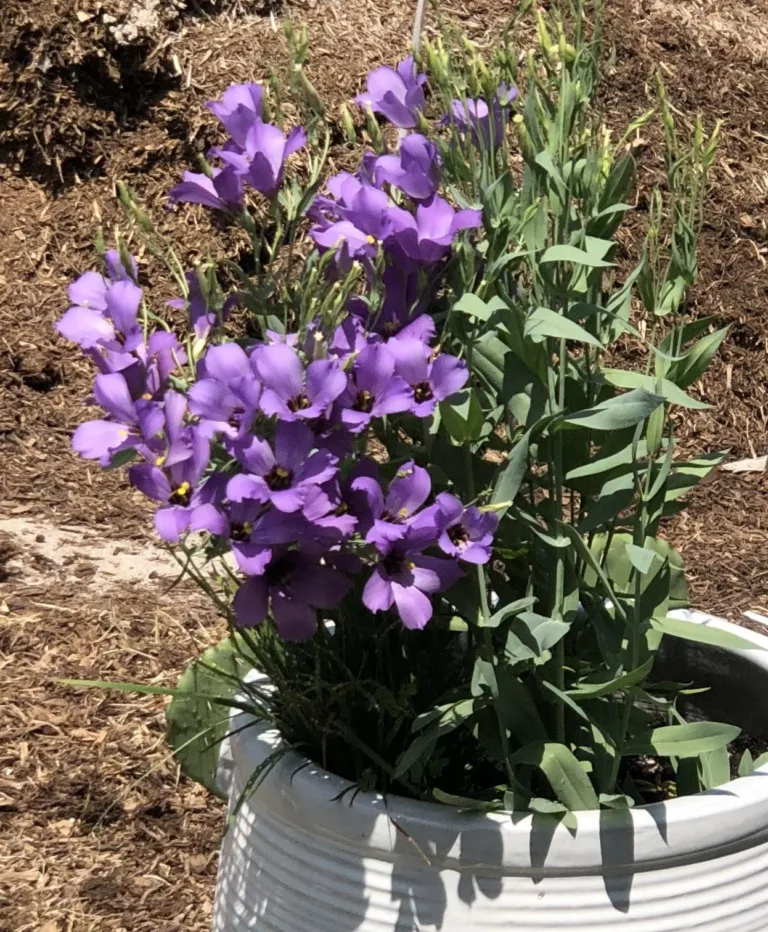
NICE Summer 2024 Plant of the Season
Texas Bluebells, Eustoma exaltatum ssp. russellianum, depending on where they grow, may grow as an annual, a biennial, or a perennial but in most of its range it is a perennial. Because it is one of the most beautiful wildflowers, it has been picked in such numbers that the wild
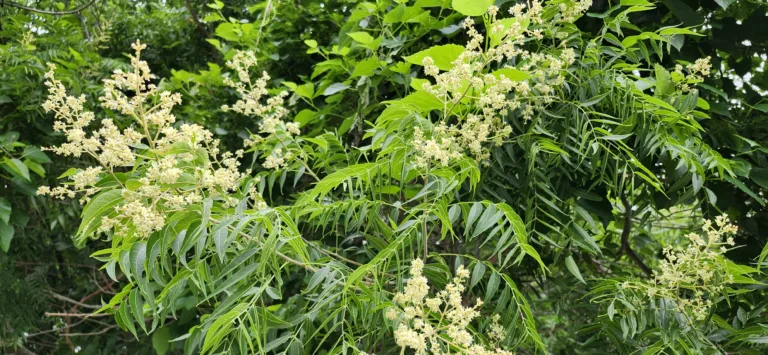
From Green to Gold: Exploring the Adaptable Western Soapberry
In our North Texas environs, there is an often overlooked and underappreciated tree — the Western Soapberry (Sapindus saponaria var. drummondii). Despite its modest presence, this native North Texas tree holds many virtues that warrant more attention from native plant devotees.
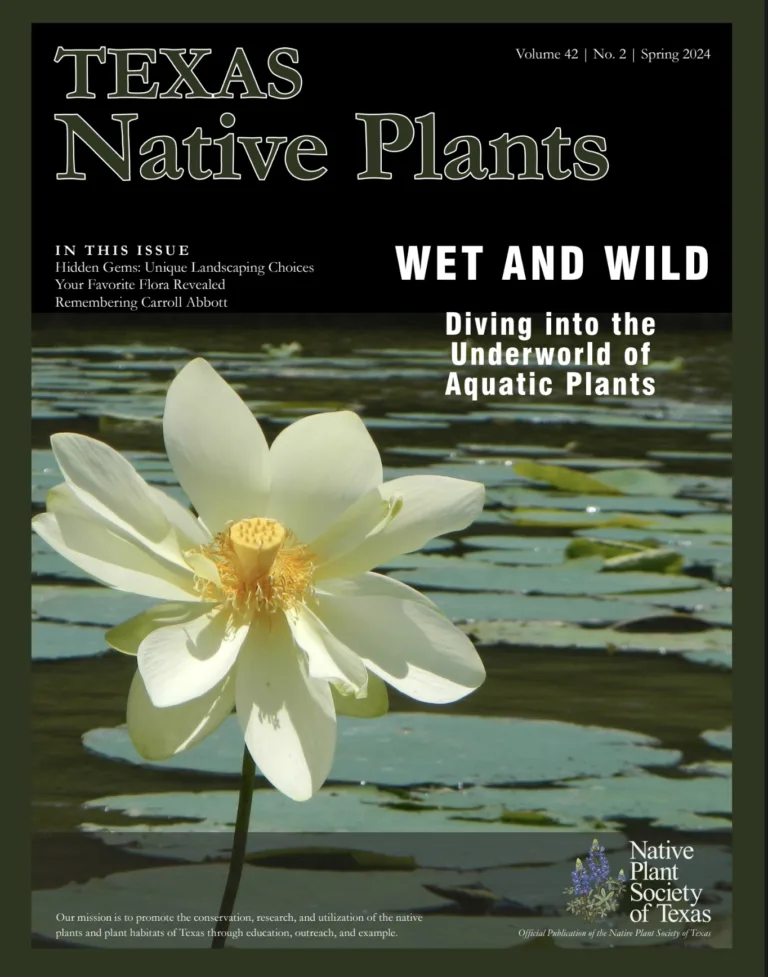
Spring 2024 Member Magazine
A Spring to Remember | Welcoming Spring with Open Arms | 2023 Ann Miller Gonzalez Research Grant Recipients | Wet and Wild: Diving into the Underworld of Aquatic Plants | Hidden Gems: Unique Landscaping Options | Your Favorite Flora Revealed | Inviting the Prairie Into Your Home Landscape | Remembering “Mr. Bluebonnet” | Spreading the Monarch Mission | Gardening with a Purpose | Save Time Landscape Planning This Spring
A Fragile Green Thread. And a Trailblazing Way to Protect it.
June 2024 Presentation by Marjesca BrownA Fragile Green Thread. And a Trailblazing Way to Protect it. Texas is losing open space at the alarming rate of 20 football fields per hour. Wells and springs are running dry, treetops turn to rooftops in the blink of an eye, and nature seems

NPSOT Dallas June 17, 2024 meeting: Can Forgotten Cemeteries Help Restore Biodiversity?
For more than a century, historic Warren Angus Ferris cemetery was a neglected site, overgrown with invasive plant species. But in 2018, Dallas resident Julie Ann Fineman decided to restore the land and recover its historical and environmental value. “The restored land provides a beautiful educational wildlife sanctuary for the neighborhood,

Water-Efficient Products Sales Tax Holiday May 25-27, 2024
The Texas State Comptroller encourages all taxpayers to support and buy from Texas businesses while saving money on tax-free purchases of certain water-efficient and water-conserving products during the annual Texas Water-Efficient Products Sales Tax Holiday. There is no limit on the number of qualifying items you can buy, and you
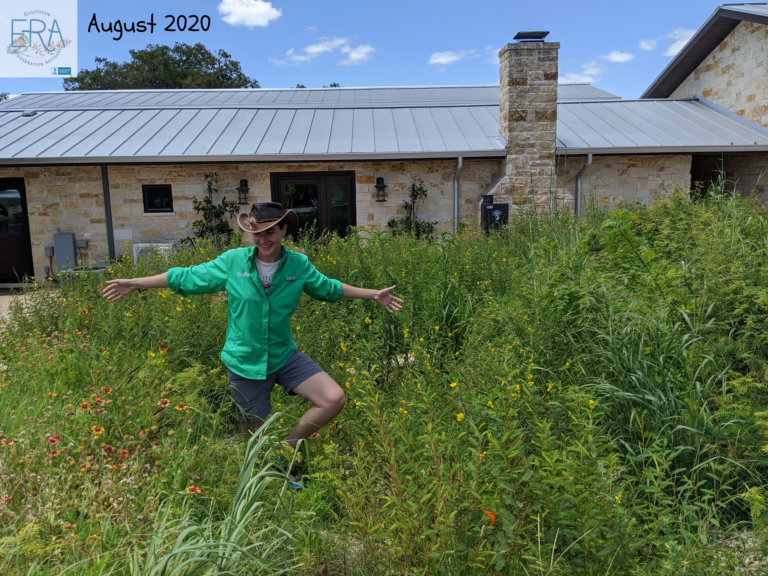
Native Plants That Help Soak Up the Rain: May 28, 2024
“It’s very exciting to see more people interested in revitalizing our Texas waterways and natural habitat by installing a rain garden in their small yards or larger properties,” said Shannon Brown, speaker at the May 28 Fredericksburg chapter NPSOT meeting and founder of Ecosystem Regeneration Artisans (ERA) Landscapes. “Rain gardens and native plant landscapes have different growing habits and care needs than traditional plants and lawns, and it’s important to plant the right natives so they’ll thrive and require less work.”
