

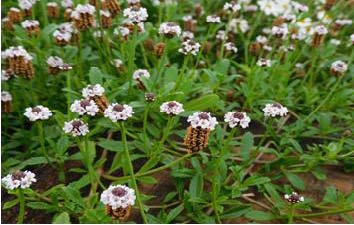
July 2024 Plant of the Month
One of the best native groundcovers, and loves the heat. Click on the plant below for more details

Transforming a Lawn: St Augustine to Native Turf Grass
A step by step presentation on transforming a St Augustine lawn to a Native grass using seeds, erosion protection, etc. June 2024
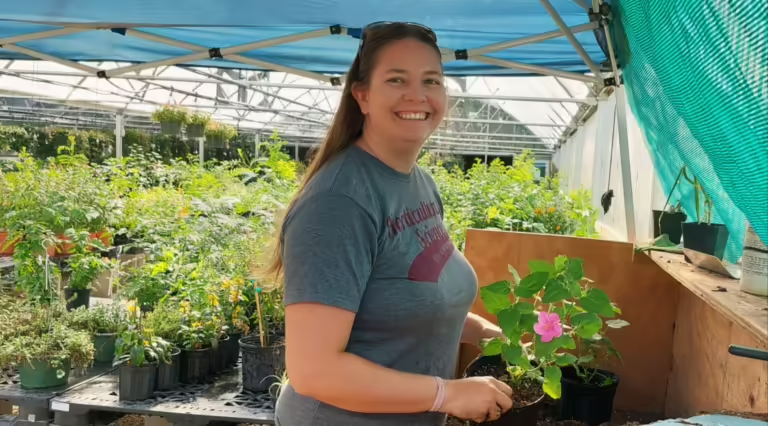
$2000 Bill Lindemann Scholarship Awarded to Mercedes Burks
The Fredericksburg Chapter of the Native Plant Society of Texas (NPSOT) has awarded its $2,000 “Bill Lindemann Scholarship” to Mercedes Burks, a student at Texas A & M University.
“Our chapter board was impressed with Ms. Burks’ commitment to improve Texas ecosystems,” noted Deborah Simmons, President of the Fredericksburg chapter of NPSOT.

Creating Vertical Gardens: Native Vines of North Texas
This spring, when considering the native North Texas plants to add to your landscape, do not forget about vines. They are an often-overlooked plant type that offers a variety of benefits to your yard.

Hardy and Humble Gems of North Texas – Native Sedges
In our North Texas woodlands, there is an unassuming but essential gem among our native plants – Sedges (Carex). They often reside out of sight and with little notice across North America and here in North Texas. Amazingly, the Wildflower Center database lists over 650 species of Sedges in North
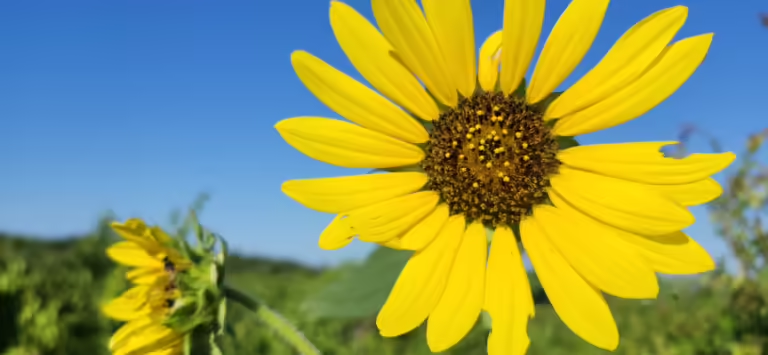
A Beginner’s Guide to Identifying Native North Texas Plants
Upon starting your journey into native Texas plants, one of the challenges most of us face is determining the name of a possible native plant and whether it is native to North Texas. Many non-native / exotic plants can easily be mistaken for natives, and there can be confusion over
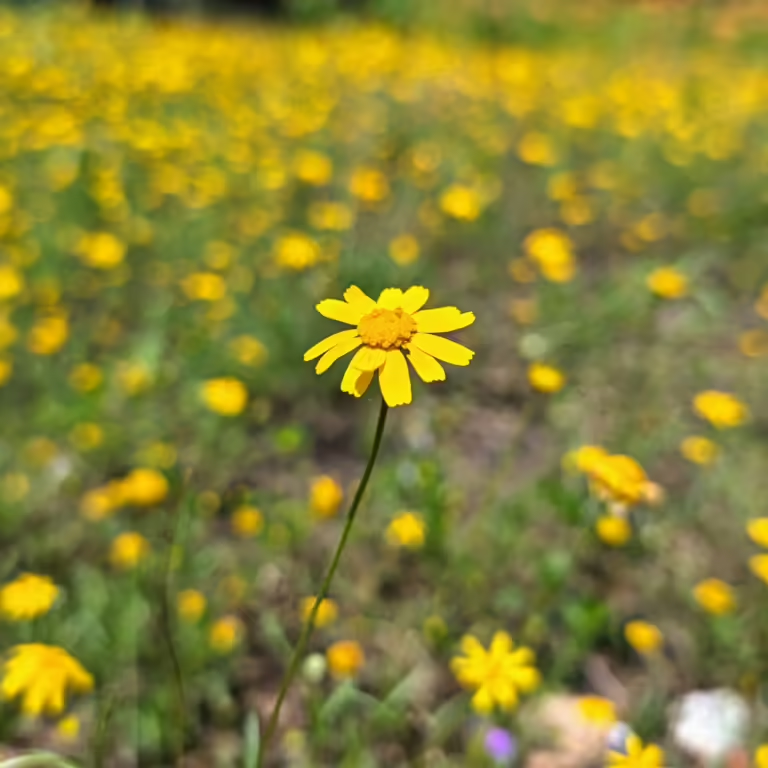
Another Stroll in the Yard
July 2024 Presentation by Jake Aalfs. Another Stroll in the Yard. Join Jake Aalfs for another stroll through his San Antonio yard to explore native flora and fauna. Four years ago to the day, Jake presented at our monthly meeting on Zoom, his yard and plant care philosophy. Now we
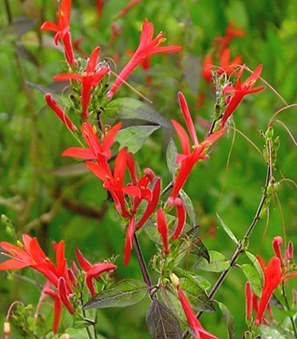
Flame Acanthus – a N.I.C.E. plant for a hot summer
Flame Acanthus is one of the indestructible natives that regularly laugh at Texas summer heat and drought -actually blooming through the midst of it. It is even a favorite nectar plant of the Monarch butterfly during the worst of our summer heat. This summer it is a N.I.C.E. plant on the Edwards Plateau.


Enter One of Our Contests by July 31
We have contests for members in photography, video and newsletters.
June 2024 Plant of the Month
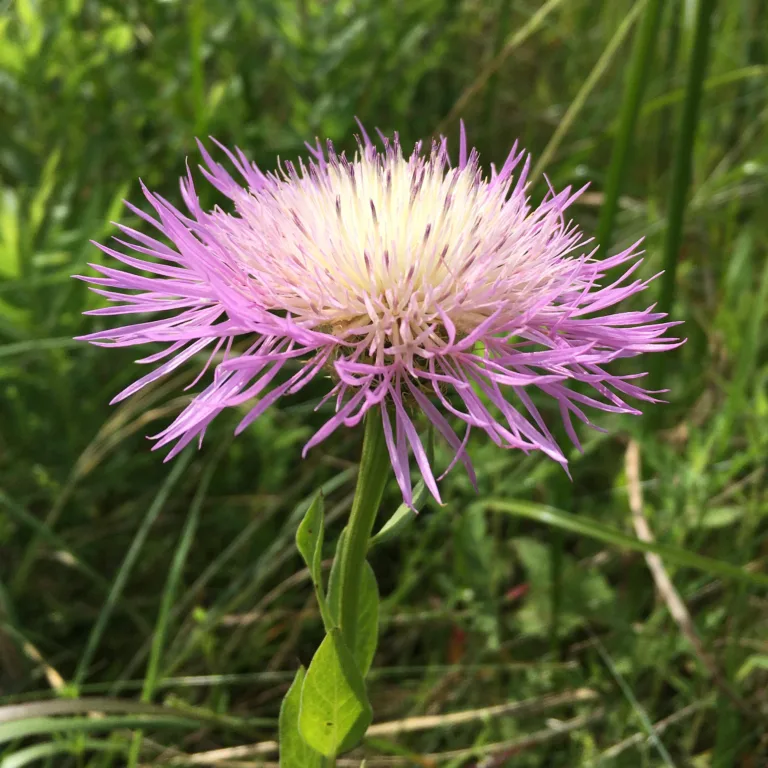
Have you seen these stunners in your wildflower patch?Click on the plant below for more details
