

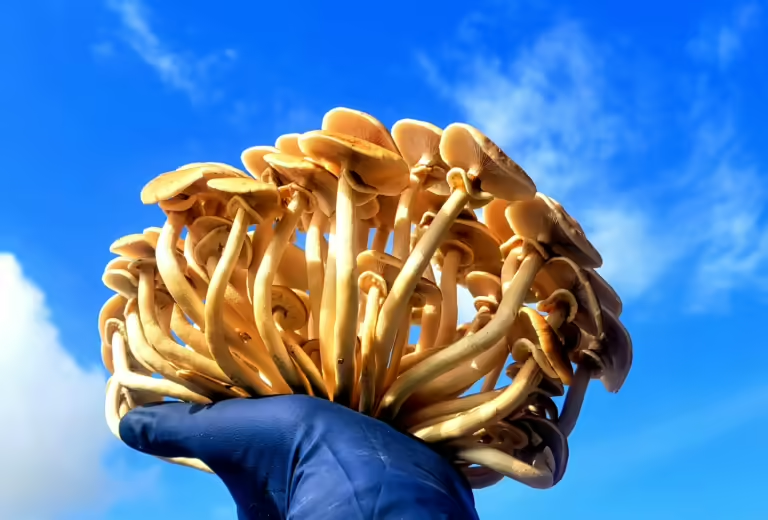
Program: Big Bend Fungi Company, Saturday, August 24
[Photo of Pioppino mushrooms, courtesy of Cody McCollum, Big Bend Fungi Company] Program/Presenter: Cody McCollum, Big Bend Fungi CompanyDate/Time: Saturday, August 24, 2024 at 1:00pmLocation: AEP room of the Alpine public libraryContact: To sign up or get information contact Fonda at fondag@sbcglobal.net The Big Bend Chapter of the Native Plant
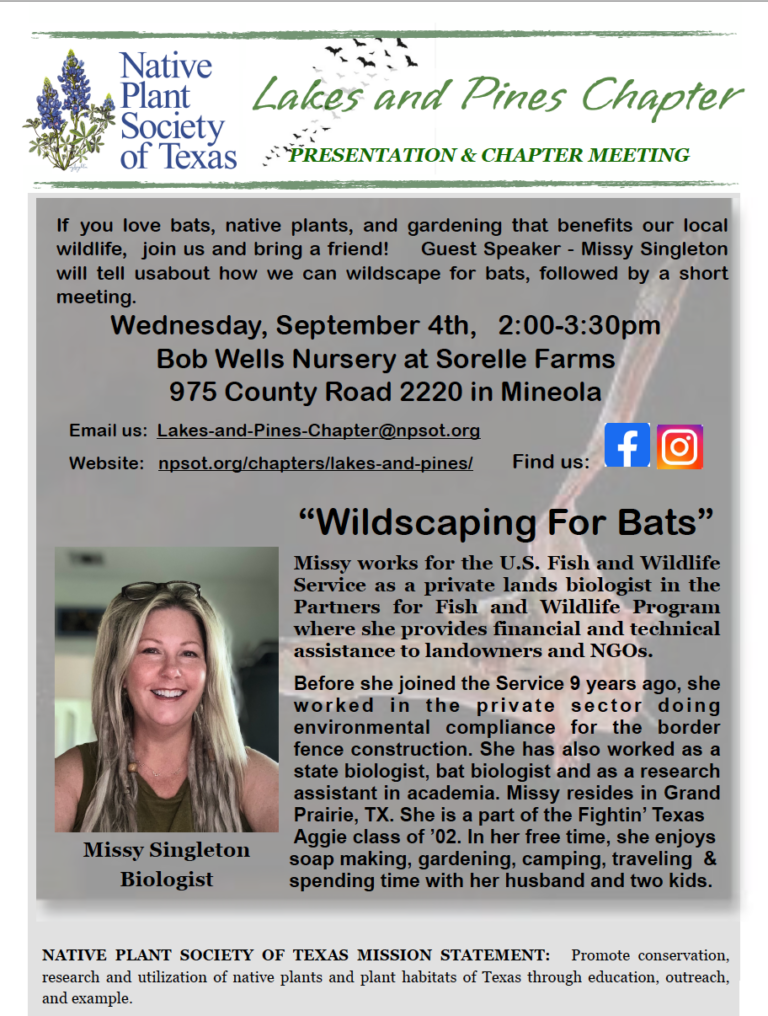
September 4 – Chapter Meeting (rescheduled from June 5): Wildscaping for Bats with Missy Singleton
If you love bats, native plants, and gardening that benefits our local wildlife, join us and bring a friend!

Tree & Shrub Pre-order Opens August 8
Forty-eight species of trees, shrubs, and herbaceous plants are available for pre-order from August 8 to 23.

Chapter Meeting: Houston Audubon in the Landscape – Native Plants, Birds, and Stewardship
Gabriel Durham talks about the many ways native plants play a major role in the mission of Houston Audubon.
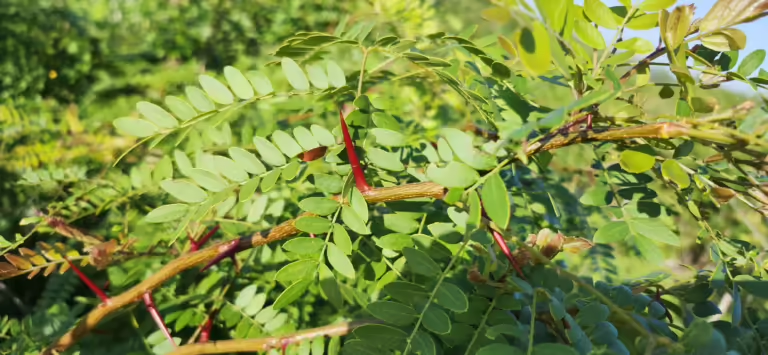
Honey Locust: An Enigma of Thorns and Sweetness
The Honey Locust (Gleditsia triacanthos) is a living ecological anachronism. It evolved with traits that were in response to a partnership with extinct species. As a result, this fascinating and resilient native North Central Texas tree is renowned for its unique characteristics.
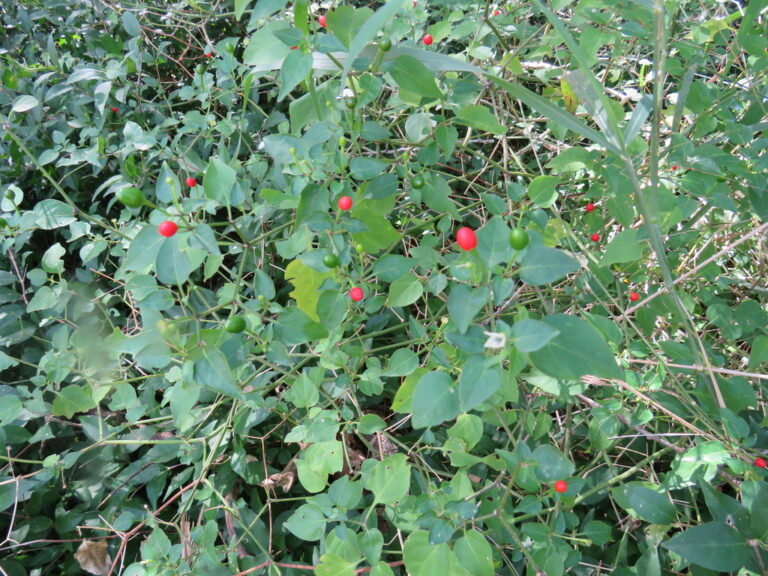
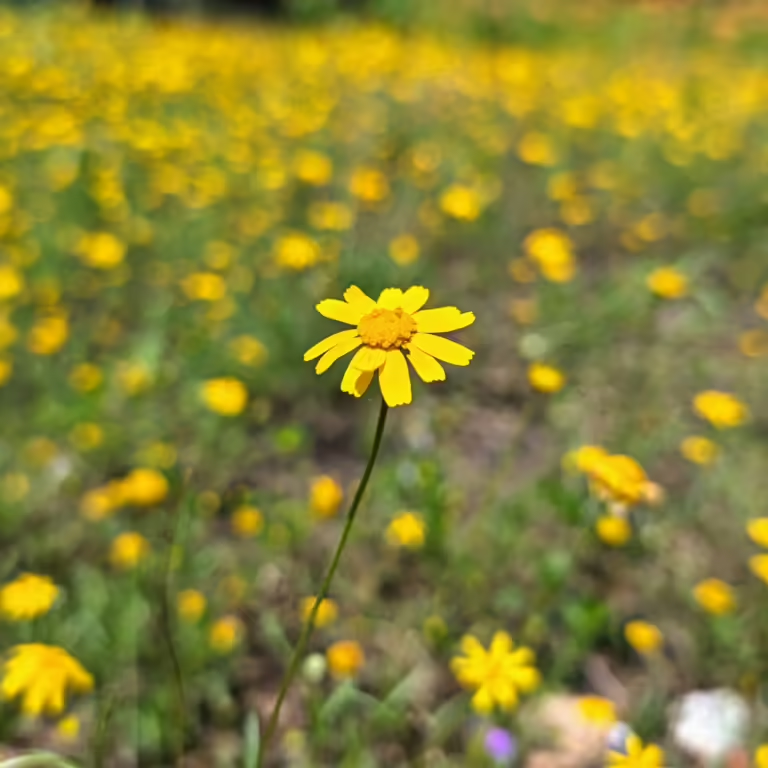
August 2024 Plant of the Month
Food for me, food for you. Ornamental shrub that feeds wildlife and is very drought resistant. Click on the plant below for more details
Registration Open for Fall Landscape Classes
The Native Plant Society of Texas will offer 20 landscaping classes this fall at 14 different locations around the state. For the first time classes will be offered in the Rio Grande Valley area. The one-day classes are part of the Native Landscape Certification Program, a series which teaches best

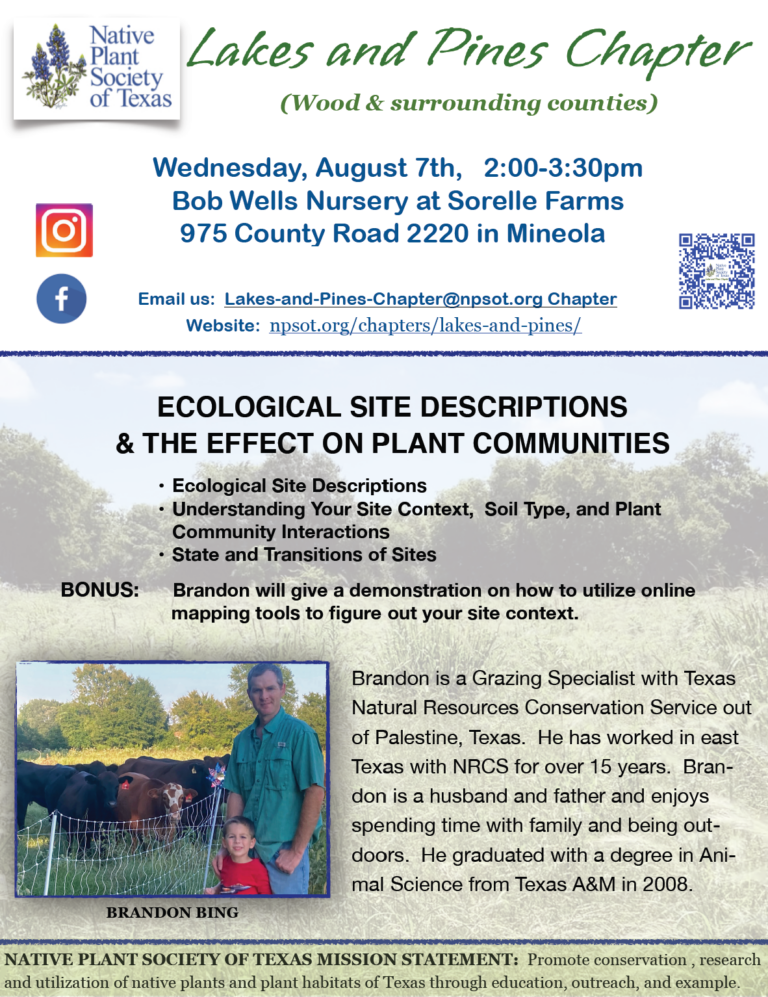
Diagnosing and Treating Issues with Native Plants
Andrew Labay, horticulturist and plant biologist from San Antonio Botanical Garden, discuss best practices in growing native plants.

View: Creating a Pollinator’s Garden
If you want to create a pollinator garden, but don’t know where to start, Holly Simonette, this month’s speaker at Native Plant Society of Texas (NPSOT) Fredericksburg Chapter, will share tips and resources for going from blank slate to recognized pollinator garden
