

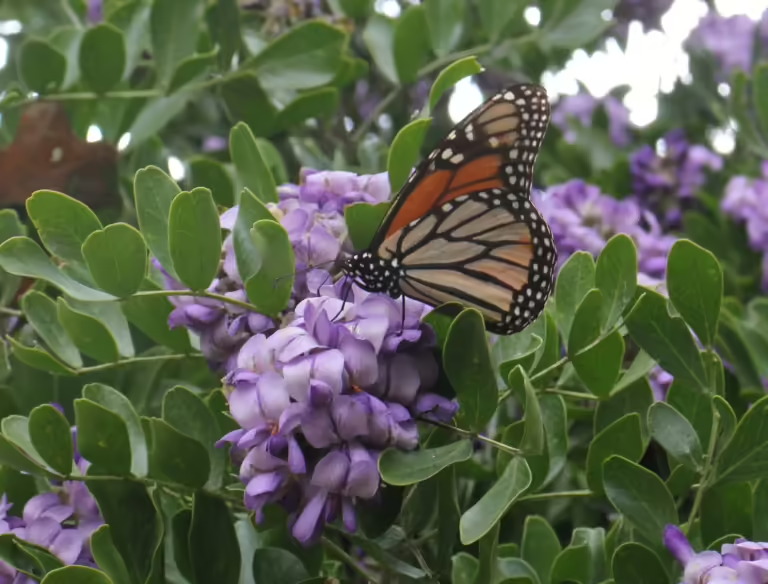
Help us stop species loss!
Concerned Texans, Help us stop species loss! At a time when critical habitat is rapidly being lost, the Bring Back the Monarchs to Texas (BBMT) committee of the Native Plant Society of Texas (NPSOT) works to increase native plant habitat for Monarchs. The good news is that everything you do for
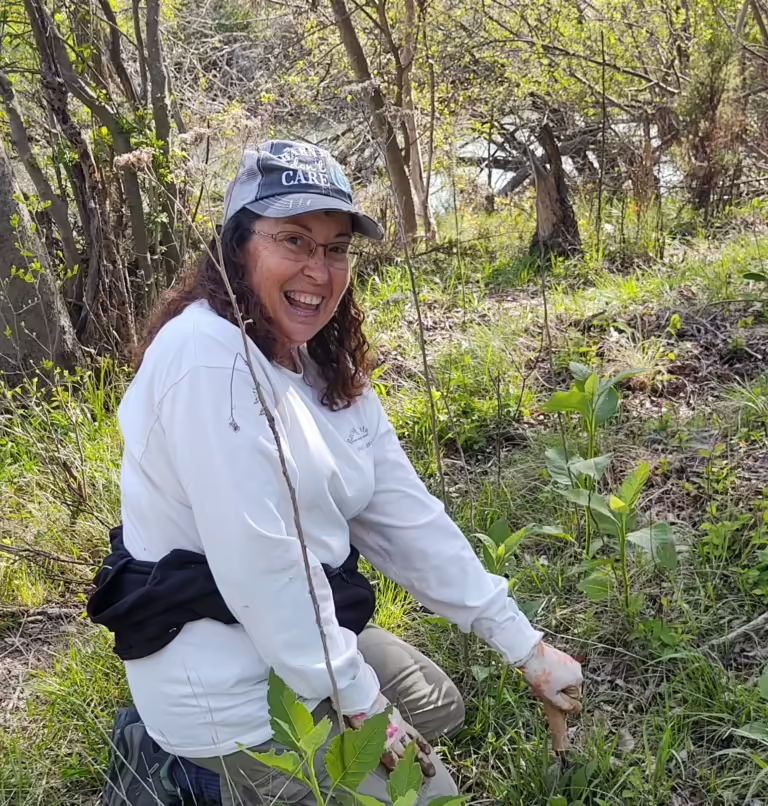
View: No More Monoculture Lawns
on Fredericksburg Texas Native Gardening Handout: NO MORE MONOCULTURE GRASS LAWN OR WHY TO USE GROUNDCOVERS!Kathy Saucier The how’s, why’s, and what’s to plant your “lawn.” With the Local Drought Index at -2.88, which is moderate drought stage (as of August 10, 2024), we need to rethink how we’re using
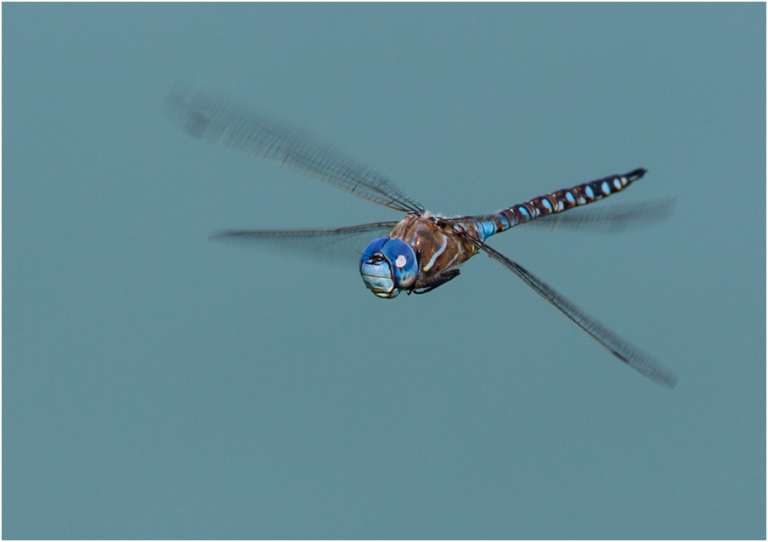
Speakers – 2024
Wildscapes Workshop’s expert speakers will inform and delight us with their knowledge of Texas water issues, trees for sustainable water management, and creatures that thrive in wet habitats.

Register Now for Fall Symposium
Register now for in person attendance to the Fall Symposium. In person registration closes September 20 and space is limited. The symposium is in New Braunfels on October 10-12. You can also register to attend virtually. Get more information and register here.
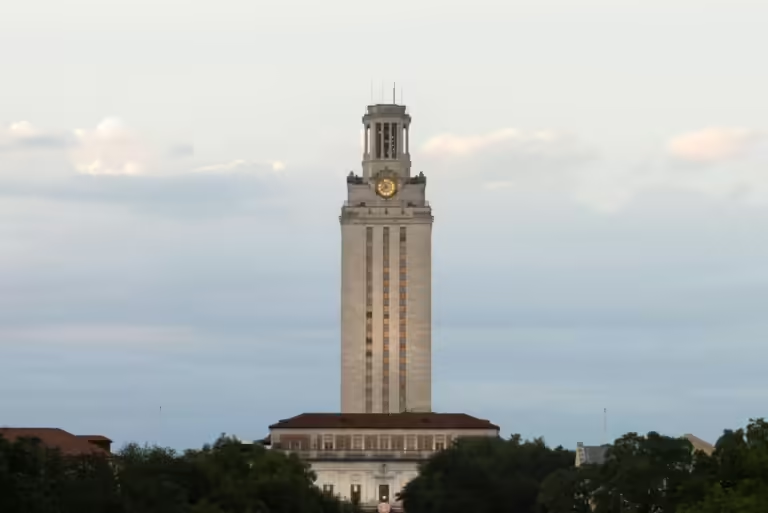
Tour of the Herbarium Collection at the University of Texas at Austin
In August, two groups from NPSOT Austin toured the herbarium collection at the University of Texas at Austin. Dr. George Yatskievych, the collection’s curator, spoke to the groups about the history of the herbarium and the more than 1 million plant specimens in the collection. He showed a plant specimen
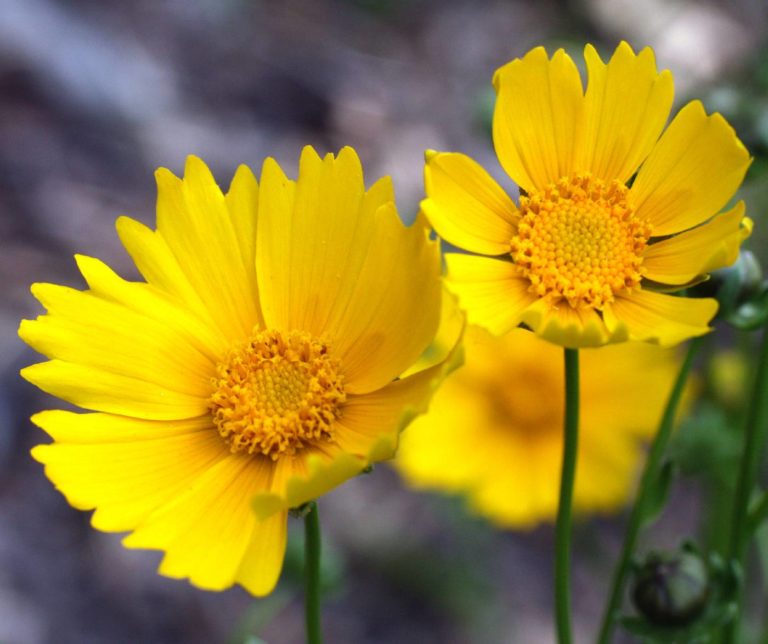
September 2024 Plant of the Month
This hardy native blooms from spring to fall.Click on the plant below for more details
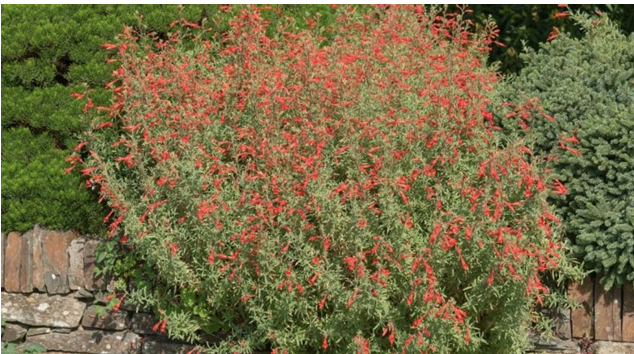
NICE Plant – Summer 2024 – Flame Acanthus
Read more details about our Summer 2024 NICE plant – Flame Acanthus. Visit our NICE Archive to read about past NICE plants.

President’s Letter – September 2024
2024 President’s Letters – Be sure to add all of the upcoming events to your calendar. September (coming soon) MayMarchFebruaryJanuary
September 21 Meeting
The next scheduled meeting of the Highland Lakes Native Plant Society is Saturday, September 21 from 1-3pm at the Marble Falls Public Library, 101 Main Street. An educational presentation will follow a 30 minute chapter business meeting. Speaker: James Green of Green Tree Co. TOPIC: Texas Native Trees – Selection

A Rosa by Any Other Name: Overcoming Your Fear of Latin Names
By: Dr. Harold Laughlin Former Wildlife Sanctuary Director, Heard Natural Science Museum & Wildlife Sanctuary This month we are revisiting past articles from the “The Coneflower Courier”, our chapter’s printed newsletter from 1994 – 2001. The article, originally published in April 1994, is by the renowned Dr. Harold Laughlin, Wildlife
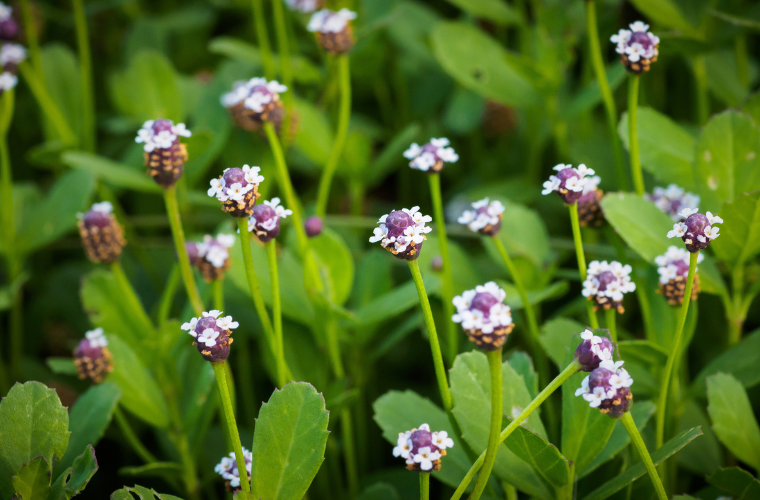
Chapter Meeting: Native Grasses and Groundcovers
Cheryl Barajas and Bev Morrison will share the secrets to using native grasses and groundcovers in our gardens. It’s easier than you think!
