

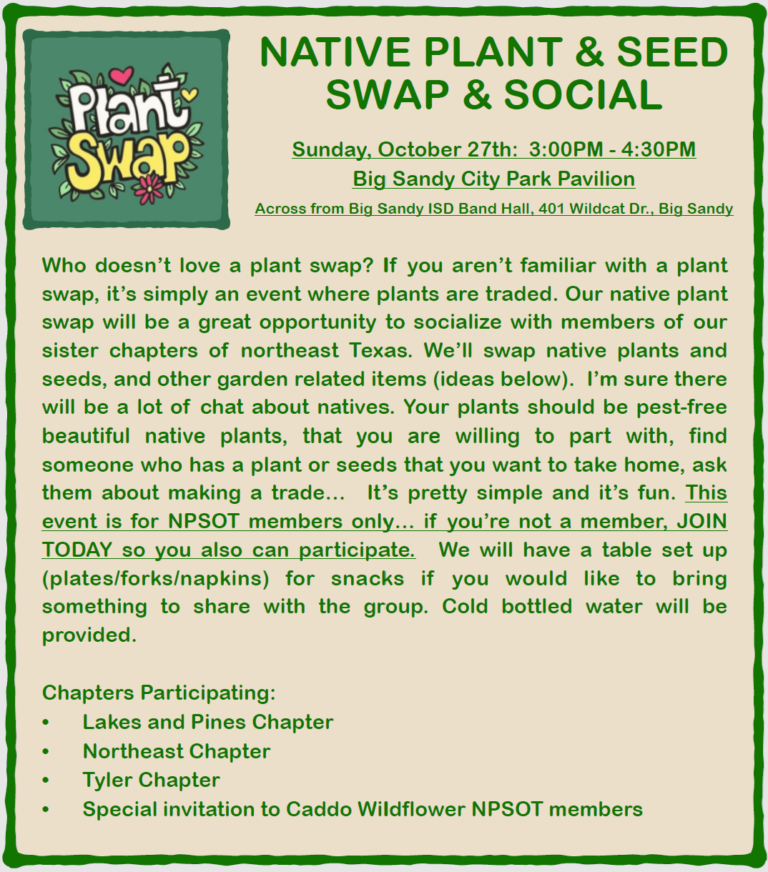
October 27: NPSOT Tri-Chapter Plant & Seed Swap
NPSOT Tri-Chapter Plant & Seed Swap in Big Sandy, Sunday October
26th from 2-4. Chapters participating are Tyler, Longview, and Lakes
& Pines.
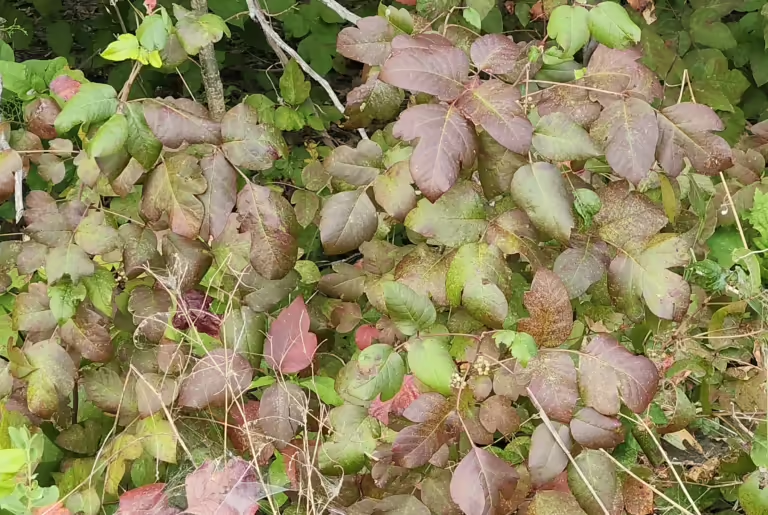
Beyond the Itch: The Shape-Shifting Eastern Poison Ivy
“Everywhere the devil spits, poison ivy grows.” — Alan Chadwick, horticulturist and organic gardening pioneer Most of us readily concur with Alan Chadwick’s view; in fact, this article was spurred by my most recent painful encounter with Eastern Poison Ivy (Toxicodendron radicans). The species is a native Texas plant infamous

Northside ISD’s Restoration Endeavors Using Native Plants
October 2024 Presentation by Amalia Sollars, Isaac Esquivel, and David Oberg. Northside ISD’s Restoration Endeavors Using Native Plants. Join us for an insightful exploration of Northside Independent School District’s innovative approach to ecological restoration through the use of native plants. This session will delve into the district’s ambitious restoration projects

Contest Winners Announced
Congratulations to all the winners of the 2024 contests – video, photography, and chapter newsletter.

Chapter Meeting: Beyond Butterflies
Take a deep dive into the world of pollinators with Erin Mills of the Houston Botanic Garden.
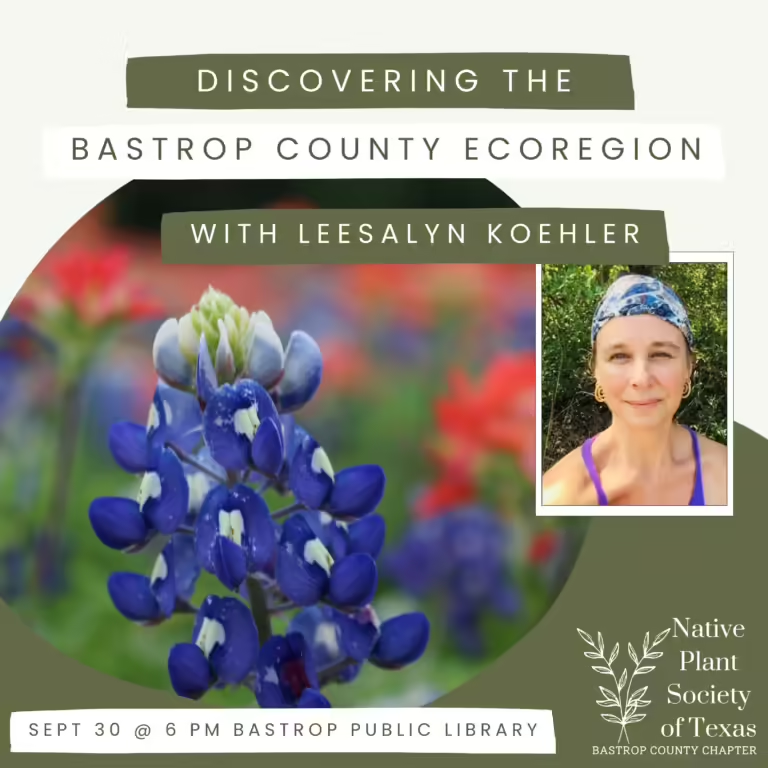
Bastrop County First Meeting
First Chapter Meeting- Monday, Sept 30 Discovering the Bastrop County Ecoregion Exploring its Native Plants and Habitats Come mingle and learn with us at our first chapter meeting- Monday, Sept 30 from 6-8 pm at the Bastrop Public Library in the Pressley Room. Join us for an engaging presentation that
Fall Native Plant Sale, Boerne Chapter, October 19, 2024
Although the local temperatures give no indication of it, Fall is really upon us, according to the calendar. And our Fall Native Plant Sale will be here soon. If you dig up and pot native plants mid to late September, they should be fairly well rooted by Oct 19. Kathy
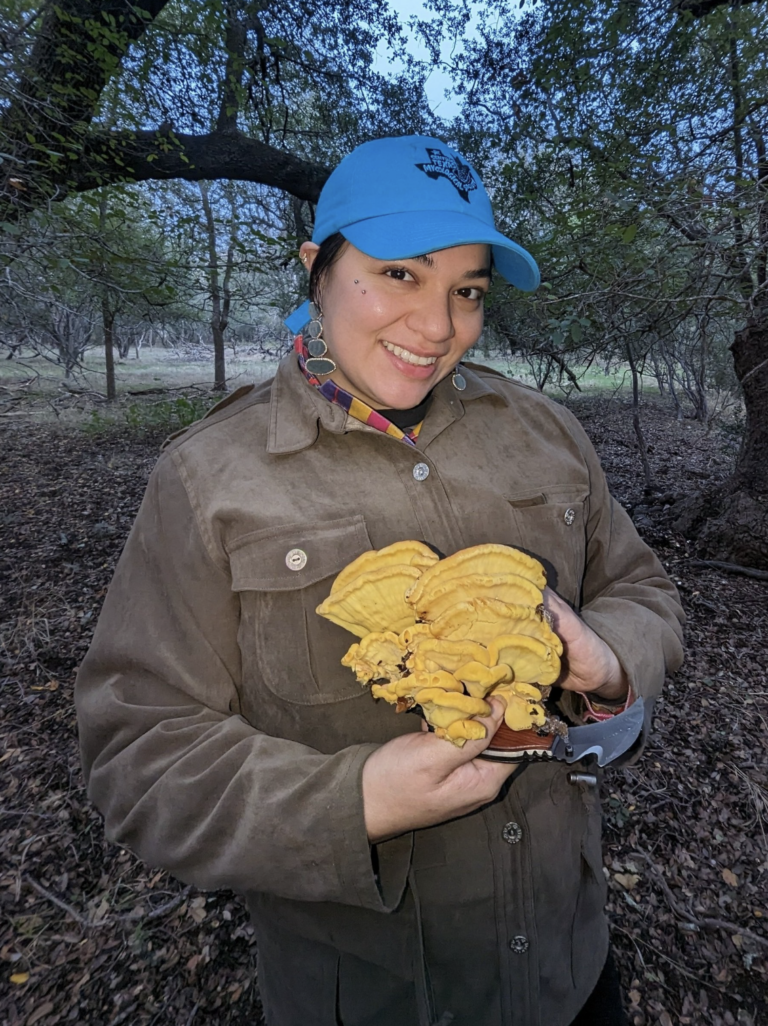
Boerne Chapter Meeting, Tuesday, October 1, 6:00 pm – 8:15 pm
The meeting will start with a social time at 6:00pm, at the Cibolo Nature Center Auditorium. Announcements will begin at 6:45pm, followed by the presentation. For the social time, please bring any snacks/appetizers/desserts that you would like to share. Our presentation topic is Mycology 101. Fungi are foundational species for nearly
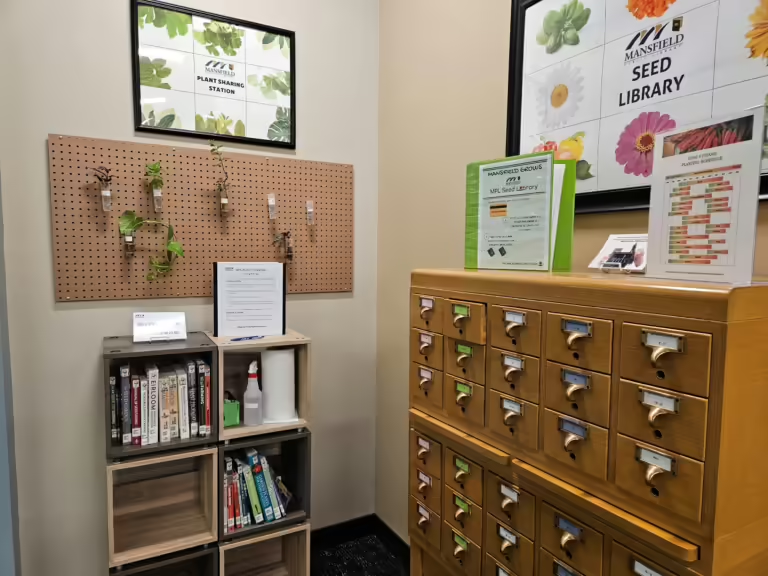
Guadalupe Plant Seed Libraries!
We will soon have THREE Seed Libraries in our area. Seguin, Schertz and Marion! No experience necessary to join in. “Seed Cleaning” opportunities will be a mix of social, Native Plant education and a work session to prepare seed supplies of Native Plant Seeds for the Seed Libraries. See “Upcoming
Last Chance to Attend the 2024 Fall Symposium in New Braunfels
Registration Closes Midnight on Monday, September 23rd! If you want to attend the NPSOT Fall Symposium in New Braunfels, sign up before the in-person event registration window closes! If you can’t make it, consider joining the virtual event instead. 2024 Hybrid Fall SymposiumOctober 10-12New Braunfels Civic/Convention CenterNew Braunfels, Texas
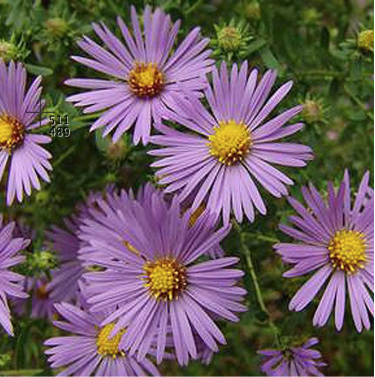
Fall Aster – a well-behaved NICE plant for your “fall” flower garden
Also called the Hill Country Aster, Aster oblongifolius is a well-behaved perennial native plant that is surprisingly easy to grow. It is hardy all the way from the Texas Hill Country which can get down to 10-15 degrees in the winter – up through the Texas panhandle with temperatures which can drop to -5 degrees Fahrenheit. In fact his plant is happy over most of the Northeastern & central U.S.

Fall 2024 Native Plant Sales in the Houston-Galveston Area
Upcoming native plant sales in the Houston-Galveston area.
